Eastern Amazonian Dwarf Porcupine: A Comprehensive Guide
Introduction
The Eastern Amazonian Dwarf Porcupine (Coendou nycthemera) is a captivating yet elusive species that inhabits the dense forests of the Amazon Basin. Known for its unique physical characteristics and adaptability, this porcupine plays a crucial role in the ecosystem. Despite its significance, it remains one of the lesser-known members of the rodent family. This article delves into the various aspects of the Eastern Amazonian Dwarf Porcupine, providing a detailed overview of its physical description, habitat, behavior, and conservation status.
Physical Description
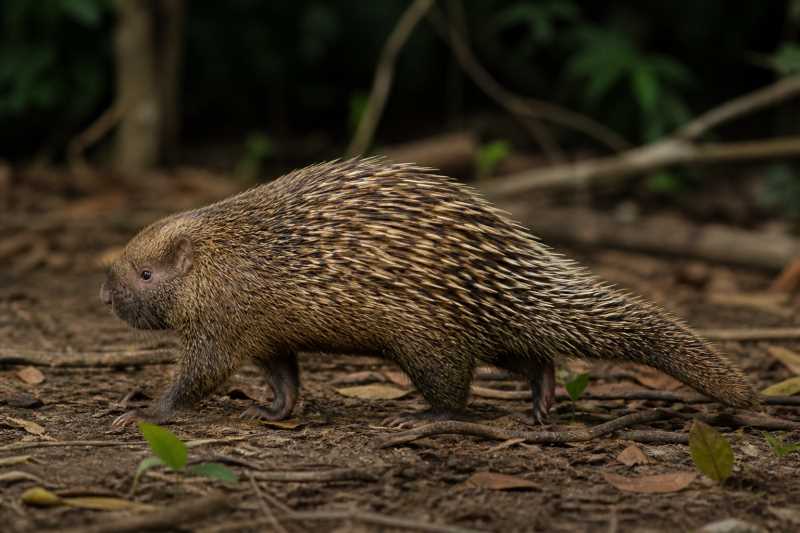
The Eastern Amazonian Dwarf Porcupine is distinguished by its small size and distinctive appearance. Typically, adults measure about 30 to 40 centimeters in length, with a tail extending an additional 20 to 30 centimeters. This species is covered in a coat of spines, which are modified hairs coated with keratin, providing protection against predators. The spines are predominantly brown with white tips, creating a mottled appearance that aids in camouflage.
The porcupine’s face is rounded with a short snout, small eyes, and ears that are mostly hidden by its dense fur. Its limbs are short but strong, equipped with sharp claws that facilitate climbing. The prehensile tail is a notable feature, aiding in balance and grasping branches as the porcupine navigates the forest canopy.
Range and Habitat
The Eastern Amazonian Dwarf Porcupine is endemic to the eastern regions of the Amazon rainforest, particularly in Brazil. This species thrives in tropical rainforests, where it can find ample food and shelter. It prefers the dense canopies of primary forests but can also be found in secondary growth areas.
The porcupine’s habitat is characterized by high humidity, significant rainfall, and a rich diversity of flora and fauna. These conditions provide an ideal environment for its arboreal lifestyle. The Eastern Amazonian Dwarf Porcupine is primarily nocturnal, spending daylight hours in tree hollows or dense foliage to avoid predators.
Behavior and Diet
As a nocturnal creature, the Eastern Amazonian Dwarf Porcupine is most active at night. It is a solitary animal, except during mating season, and is known for its slow, deliberate movements. This porcupine spends much of its time in the trees, where it finds safety from ground-based predators.
The diet of the Eastern Amazonian Dwarf Porcupine is primarily herbivorous, consisting of leaves, fruits, bark, and occasionally small twigs. Its robust digestive system allows it to process a wide variety of plant materials. This dietary flexibility is crucial for survival in the diverse and sometimes harsh conditions of the Amazon.
Identification Tips (Field Recognition Cues)
Identifying the Eastern Amazonian Dwarf Porcupine in the wild requires keen observation skills. Here are some tips for field recognition:
- Size and Shape: Look for a small, rounded body with a distinctive spiny coat.
- Coloration: Note the brown and white mottled pattern of its spines.
- Behavior: Observe its slow and cautious movements, often in the canopy.
- Habitat: Search in areas with dense tree cover, particularly in primary forests.
- Tail: The prehensile tail is a key feature for identification, often seen curled around branches.
Conservation Status (with Threats and Protections)
The Eastern Amazonian Dwarf Porcupine is currently classified as Near Threatened on the IUCN Red List. The primary threat to its survival is habitat loss due to deforestation and land conversion for agriculture. Logging activities and infrastructure development further contribute to the fragmentation of its habitat.
Conservation efforts are focused on protecting large areas of the Amazon rainforest and establishing wildlife corridors to facilitate movement between fragmented habitats. Additionally, awareness campaigns aim to educate local communities about the importance of preserving this species and its habitat.
Frequently Asked Questions
What does the Eastern Amazonian Dwarf Porcupine eat?
The Eastern Amazonian Dwarf Porcupine primarily feeds on leaves, fruits, bark, and twigs. Its herbivorous diet is supported by a robust digestive system that processes various plant materials found in the Amazon rainforest.
How can I identify an Eastern Amazonian Dwarf Porcupine?
To identify this porcupine, look for a small, spiny creature with a mottled brown and white appearance. It has a prehensile tail and is usually found in the forest canopy, exhibiting slow and deliberate movements.
What threats does the Eastern Amazonian Dwarf Porcupine face?
The main threats to the Eastern Amazonian Dwarf Porcupine include habitat loss due to deforestation, agriculture, and logging activities. Conservation efforts are focused on preserving its natural habitat and educating local communities.
Where is the Eastern Amazonian Dwarf Porcupine found?
This species is endemic to the eastern Amazon Basin, predominantly in Brazil. It inhabits tropical rainforests, thriving in the dense canopies of primary and secondary growth forests.
Is the Eastern Amazonian Dwarf Porcupine endangered?
Currently, the Eastern Amazonian Dwarf Porcupine is classified as Near Threatened. While not yet endangered, it faces significant risks due to habitat loss and requires ongoing conservation efforts.
Related posts