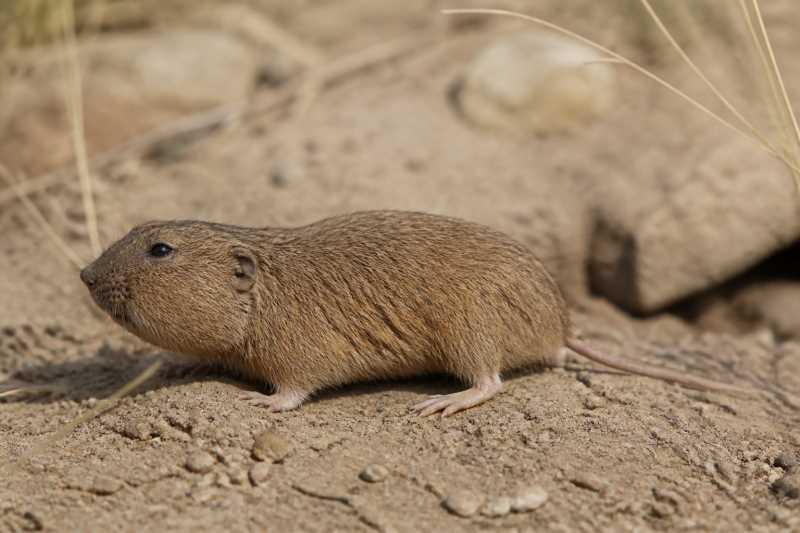
Ruidoso Pocket Gopher (Megascapheus ruidosae)
Introduction
The Ruidoso Pocket Gopher, scientifically known as Megascapheus ruidosae, is one of the lesser-known yet fascinating species of pocket gophers found in North America. This small mammal is a subterranean dweller, primarily recognized for its remarkable adaptations to a life of digging and tunneling underground. Though not as famous as other pocket gopher species, the Ruidoso Pocket Gopher plays a crucial role in its ecosystem, contributing to soil aeration and nutrient cycling. This article explores the various aspects of the Ruidoso Pocket Gopher, shedding light on its physical characteristics, habitat, behavior, and conservation status.
Physical Description
The Ruidoso Pocket Gopher is a medium-sized rodent, characterized by its robust body and specialized adaptations for a fossorial lifestyle. Adult individuals typically measure between 20 to 25 cm in length, including a relatively short tail that constitutes about 20% of their total length. The body is covered with coarse fur that varies in color from dark brown to grey, providing excellent camouflage in its natural habitat.
The most distinctive feature of the Ruidoso Pocket Gopher is its large, powerful forelimbs equipped with long claws. These adaptations are perfectly suited for digging extensive tunnel systems. Additionally, the species possesses fur-lined cheek pouches, or "pockets," which are used for transporting food and nesting materials.
The head is broad with small eyes and ears, features that reduce the risk of soil entering the body during digging. Their incisors are large and continuously growing, aiding in both feeding and excavation activities.
Range and Habitat
The Ruidoso Pocket Gopher is endemic to the mountainous regions of southern New Mexico, particularly around the Ruidoso area from which it derives its name. Its range is limited to specific high-altitude areas with loose, sandy soils that facilitate burrowing.
This species inhabits open meadows, grasslands, and forest edges, where the soil depth and composition are conducive to their digging behavior. The availability of vegetation is crucial, as it serves as their primary food source. The Ruidoso Pocket Gopher avoids rocky terrains and heavily forested areas where burrowing is challenging.
Behavior and Diet
Primarily nocturnal, the Ruidoso Pocket Gopher is a solitary creature, spending most of its life within the safety of its underground tunnels. These tunnels can be quite extensive, sometimes spanning several hundred meters in length. The gopher uses these tunnels not only for protection against predators but also as a means to search for food.
The diet of the Ruidoso Pocket Gopher consists mainly of plant roots, tubers, and bulbs. It occasionally feeds on above-ground vegetation, pulling plants into its burrow from below. This feeding behavior is essential for soil turnover and aeration, making the gopher an important ecological engineer in its habitat.
Identification Tips
Recognizing the Ruidoso Pocket Gopher in the field can be challenging due to its subterranean lifestyle. However, certain cues can aid in identification:
- Burrow Entrances: Look for crescent-shaped mounds of soil, which indicate the presence of burrow entrances.
- Feeding Signs: Uprooted vegetation and clipped plant stems near burrow entrances are common signs of gopher activity.
- Tracks and Droppings: While rare, tracks may be visible near burrow entrances, and droppings can sometimes be found within tunnels or near entrances.
Conservation Status
The conservation status of the Ruidoso Pocket Gopher is currently classified as Near Threatened. The species faces several threats, primarily due to habitat loss and degradation. Urbanization, agricultural expansion, and land development in the Ruidoso region have significantly reduced the available habitat for this species.
Additionally, climate change poses a long-term threat, potentially altering the vegetation composition and soil conditions necessary for the gopher’s survival. Conservation efforts are focused on habitat preservation and management, ensuring that areas with suitable soil and vegetation remain protected.
Legal protections are limited, but local conservation organizations are working towards increasing awareness and implementing measures to safeguard the species’ habitat.
Frequently Asked Questions
What do Ruidoso Pocket Gophers eat?
Ruidoso Pocket Gophers primarily eat plant roots, tubers, and bulbs. They may also consume above-ground vegetation by pulling it into their burrows.
How do Ruidoso Pocket Gophers contribute to the ecosystem?
These gophers play a crucial role in soil aeration and nutrient cycling through their extensive burrowing activities, benefiting plant growth and overall soil health.
Where can Ruidoso Pocket Gophers be found?
The species is found in the mountainous regions of southern New Mexico, particularly around Ruidoso, in areas with loose, sandy soils.
Are Ruidoso Pocket Gophers endangered?
The Ruidoso Pocket Gopher is classified as Near Threatened, facing threats from habitat loss and climate change, but it is not currently endangered.
How can you identify signs of a Ruidoso Pocket Gopher?
Look for crescent-shaped soil mounds, uprooted vegetation, and occasionally, tracks or droppings near burrow entrances.
Related posts