Introduction
The Gobi Jerboa, scientifically known as Orientallactaga bullata, is a fascinating small mammal that thrives in the arid environments of the Gobi Desert. This unique species, belonging to the family Dipodidae, is renowned for its exceptional adaptations that allow it to survive in one of the harshest climates on Earth. Understanding the Gobi Jerboa not only adds to our knowledge of biodiversity but also underscores the importance of conservation efforts aimed at protecting such specialized species.
Physical Description
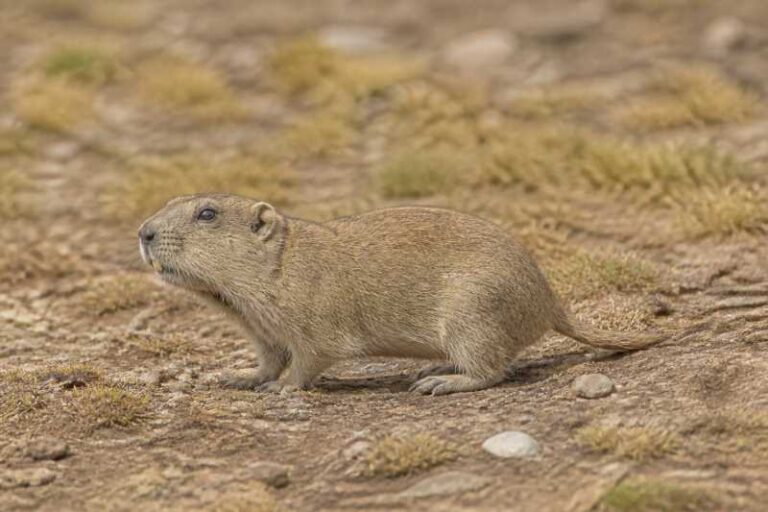
The Gobi Jerboa is a small rodent, typically measuring between 10 to 12 centimeters in body length, with a tail that can double its overall size, reaching up to 24 centimeters. This tail is not only a balance aid but also a communication tool. The jerboa’s hind legs are elongated and powerful, enabling it to leap great distances—up to three meters in a single bound—while its forelimbs are comparatively shorter and used for foraging and grooming. Its fur is soft and dense, varying from sandy brown to grayish tones, which provides excellent camouflage against the desert landscape. The species also features large eyes and ears, adaptations that enhance its nocturnal lifestyle by improving night vision and sound detection.
Range and Habitat
The Gobi Jerboa is primarily found in the Gobi Desert, which stretches across southern Mongolia and northern China. This area is characterized by its extreme temperatures, minimal rainfall, and sparse vegetation. The terrain is diverse, ranging from rocky outcrops to sandy dunes, all of which the Gobi Jerboa navigates with remarkable agility. The jerboa constructs burrows that provide shelter from predators and extreme weather, with entrances often concealed among vegetation or rocks to avoid detection.
Behavior and Diet
Gobi Jerboas are nocturnal creatures, primarily active during the night when temperatures are cooler. They are solitary animals, with each individual maintaining its own territory. Their diet mainly consists of seeds, leaves, and insects, which provide necessary hydration in an environment where water is scarce. The jerboa’s efficient metabolism allows it to extract moisture from its food, reducing the need for direct water consumption.
Identification Tips (field recognition cues)
Identifying the Gobi Jerboa in the wild can be a challenge due to its elusive nature and nocturnal habits. However, several key characteristics can aid in its identification:
- Distinctive Locomotion: Watch for the jerboa’s unique hopping movement, characterized by long leaps using its powerful hind legs.
- Tail Features: Look for a long, tufted tail that is often used for balance and signaling.
- Ear Size: Noticeably large ears that aid in thermoregulation and detecting predators.
- Coloration: Sandy-brown to grayish fur that blends seamlessly with the desert environment.
Conservation Status
Currently, the Gobi Jerboa is classified as Least Concern on the IUCN Red List. However, it faces threats from habitat degradation due to mining activities and climate change, which are altering its desert habitat. Conservation efforts are crucial to preserve its habitat and mitigate the impacts of human activities. Protected areas within the Gobi region are essential for the survival of this species, and continued research is necessary to understand its ecological role and population dynamics.
Frequently Asked Questions
How does the Gobi Jerboa survive in the desert?
The Gobi Jerboa survives by being nocturnal, which helps avoid daytime heat, and by having a diet that provides sufficient hydration without needing to drink water directly.
What are the main threats to the Gobi Jerboa?
The main threats include habitat destruction from mining and the impacts of climate change, which can alter the delicate desert ecosystem the jerboa depends on.
What adaptations help the Gobi Jerboa avoid predators?
Its primary adaptations include leaping ability for rapid escape, cryptic coloration for camouflage, and large ears for detecting predators.
How can you distinguish a Gobi Jerboa from other jerboas?
The Gobi Jerboa can be distinguished by its specific habitat in the Gobi Desert, its larger ear size, and its unique fur coloration suited for desert camouflage.
Related posts