Introduction
Gunning’s Golden Mole, scientifically known as Neamblysomus gunningi, is a unique and fascinating species belonging to the family Chrysochloridae. These small, burrowing mammals are endemic to South Africa and are known for their elusive nature and specialized adaptations for life underground. Despite their inconspicuous presence, Gunning’s Golden Moles play a crucial role in their ecosystems, contributing to soil aeration and pest control. This article delves into the various aspects of Gunning’s Golden Mole, including its physical description, habitat, behavior, and conservation status.
Physical Description
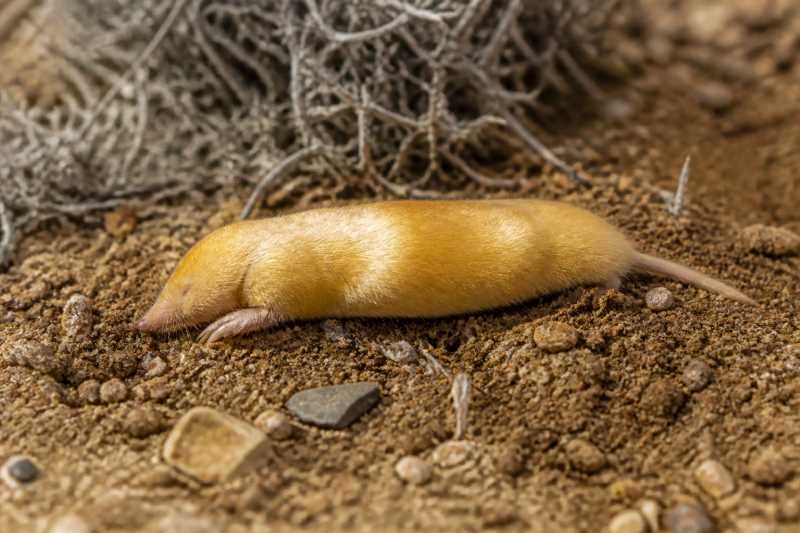
Gunning’s Golden Mole is a small, robust mammal characterized by its streamlined body, which is perfectly adapted for a subterranean lifestyle. Adults typically measure about 10 to 14 centimeters in length and weigh between 30 to 50 grams. Their most distinctive feature is their dense, velvety fur, which is usually a shimmering golden or copper color, providing them with their common name.
Unlike other mole species, Gunning’s Golden Moles have no visible eyes or external ears, as these have been greatly reduced over time due to their underground existence. Instead, they rely heavily on their other senses, particularly touch and vibration, to navigate and hunt for prey. Their forelimbs are well-developed, with strong, spade-like claws that allow them to dig efficiently through soil and sand. The hind limbs are more slender and are used primarily for propulsion during burrowing.
Range and Habitat
Gunning’s Golden Mole is found exclusively in South Africa, with its range limited to specific regions within the country. This species prefers sandy soils and is commonly associated with coastal and inland dune environments, as well as forested areas. These habitats offer the loose, friable soil that is ideal for burrowing and foraging.
The moles construct extensive tunnel systems that serve as both hunting grounds and protection from predators. The tunnels are typically shallow, ranging from 5 to 20 centimeters below the surface, which allows the moles to easily access food resources while remaining hidden from potential threats. These underground networks also assist in thermoregulation, helping the moles to maintain a stable body temperature despite external environmental fluctuations.
Behavior and Diet
Gunning’s Golden Moles are solitary animals, with individuals maintaining their own territories. They are primarily nocturnal, emerging from their tunnels at night to forage for food. Their diet consists mainly of invertebrates such as earthworms, insects, and larvae, which they locate using their highly sensitive snout.
The moles exhibit a remarkable ability to detect prey through vibrations in the ground, a skill that compensates for their lack of vision. Once prey is detected, they use their powerful claws to dig rapidly, capturing the prey with their sharp, pointed teeth.
Reproduction occurs throughout the year, with females giving birth to one or two offspring after a gestation period of approximately four weeks. The young are born blind and hairless, relying on the mother for nourishment and protection until they are capable of independent living.
Identification Tips (Field Recognition Cues)
Identifying Gunning’s Golden Mole in the wild can be challenging due to their cryptic nature and subterranean lifestyle. However, certain field recognition cues can aid in their identification:
- Fur Coloration: Look for golden or copper-colored fur, which can sometimes be seen glistening in the sun when the moles briefly surface.
- Tunnel Entrances: Search for small, round openings in sandy or loose soil, often surrounded by displaced soil mounds.
- Ground Vibrations: Listen for faint, rhythmic vibrations that may indicate the presence of a burrowing mole.
- Soil Displacement: Notice areas where the ground appears to be freshly disturbed or uplifted, which could signify recent mole activity.
Conservation Status (With Threats and Protections)
Gunning’s Golden Mole is currently classified as a species of "Least Concern" by the International Union for Conservation of Nature (IUCN). However, like many specialized species, they face several threats that could impact their populations if not managed effectively.
Threats:
- Habitat Loss: Urbanization and agricultural expansion are leading to the destruction and fragmentation of their natural habitats.
- Pollution: Pesticides and other pollutants can contaminate the soil, affecting the moles’ food sources and overall health.
- Climate Change: Alterations in temperature and precipitation patterns could disrupt their habitats and food availability.
Protections:
- Protected Areas: Some populations exist within national parks and reserves, providing a level of protection from habitat destruction.
- Conservation Programs: Efforts are underway to monitor populations and implement strategies to mitigate human impact.
- Public Awareness: Educating local communities about the ecological role of moles can foster support for conservation initiatives.
Frequently Asked Questions
What adaptations do Gunning’s Golden Moles have for living underground?
Gunning’s Golden Moles have several adaptations for subterranean life, including reduced eyes and ears, a streamlined body, and powerful forelimbs with spade-like claws for digging. Their sensitive snout helps them detect prey through ground vibrations.
How can I differentiate Gunning’s Golden Mole from other mole species?
Gunning’s Golden Moles are distinguished by their golden or coppery fur, lack of visible eyes, and specific habitat preferences for sandy soils and coastal dune environments.
Are Gunning’s Golden Moles endangered?
Currently, Gunning’s Golden Moles are classified as "Least Concern" by the IUCN. However, they face threats from habitat loss, pollution, and climate change, which require ongoing conservation efforts.
Why are Gunning’s Golden Moles important to the ecosystem?
These moles contribute to soil aeration and pest control through their burrowing activities and diet, respectively. They help maintain healthy soil ecosystems and control populations of soil-dwelling invertebrates.
What measures are being taken to protect Gunning’s Golden Moles?
Conservation measures include habitat protection within reserves, pollution control, and public awareness campaigns to highlight the ecological importance of these moles.
Related posts