Introduction
The Long-tailed Salonga White-toothed Shrew, scientifically known as Crocidura salonga, is a fascinating mammalian species that captivates researchers and wildlife enthusiasts alike. This elusive creature belongs to the Soricidae family, a group known for their diverse and widespread presence across various habitats. Despite its relatively understated appearance, the Long-tailed Salonga White-toothed Shrew plays a crucial role in maintaining ecological balance within its environment. This article delves into the unique attributes, habitat preferences, and conservation challenges faced by this intriguing species.
Physical Description
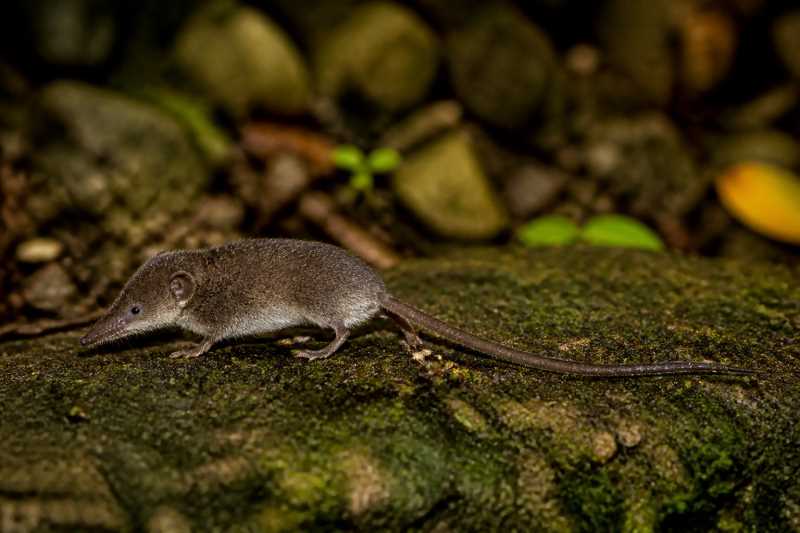
The Long-tailed Salonga White-toothed Shrew is characterized by its diminutive size and distinctive features. Typically, adult shrews measure between 8 to 10 centimeters in body length, with a tail that extends an additional 5 to 8 centimeters, thus earning its "long-tailed" moniker. Its fur is generally soft and dense, ranging in color from dark gray to brownish hues, providing effective camouflage within its natural habitat.
The species is named for its whitish teeth, a notable trait among the Crocidura genus. These teeth lack pigmentation, a common characteristic of white-toothed shrews, distinguishing them from their red-toothed counterparts. The shrew’s eyes are small and bead-like, adapted for limited vision, while its elongated snout and sensitive whiskers enhance its tactile and olfactory senses, essential for navigating its environment and locating prey.
Range and Habitat
Crocidura salonga is endemic to the dense, tropical rainforests of Central Africa, with its range primarily concentrated in the Democratic Republic of the Congo. The species thrives in the humid, understory layers of these forests, where thick vegetation offers ample cover and abundant food sources.
This shrew demonstrates a preference for moist, shaded environments, often inhabiting areas with rich leaf litter and abundant organic matter. Such conditions not only provide shelter but also support a diverse array of invertebrates, forming the basis of its diet. The ecological niche occupied by the Long-tailed Salonga White-toothed Shrew underscores the importance of preserving these forested landscapes to maintain biodiversity.
Behavior and Diet
The Long-tailed Salonga White-toothed Shrew is primarily nocturnal, engaging in most of its foraging activities under the cover of darkness. This behavior reduces the risk of predation and competition with diurnal species. The shrew’s diet is predominantly insectivorous, consisting of beetles, spiders, and other small invertebrates, which it detects using its keen sense of smell and touch.
In addition to their voracious appetite for insects, these shrews occasionally consume plant material and seeds, contributing to seed dispersal within their habitat. This dietary flexibility allows them to adapt to seasonal fluctuations in food availability, ensuring their survival in dynamic environmental conditions.
Socially, the Long-tailed Salonga White-toothed Shrew is largely solitary, with individuals maintaining distinct territories. Interactions typically occur during the breeding season, when males and females come together briefly to mate.
Identification Tips (Field Recognition Cues)
Identifying the Long-tailed Salonga White-toothed Shrew in the field requires keen observation and an understanding of its distinguishing features:
- Size and Proportions: Look for a small mammal with a slender body, measuring 8 to 10 cm, and a proportionally long tail.
- Fur Coloration: Note the dense, dark gray to brownish fur, which may vary slightly based on environmental conditions and individual variations.
- Dental Characteristics: Although challenging to observe in the wild, the shrew’s white, unpigmented teeth are a key identifying trait.
- Behavioral Patterns: Observe nocturnal activity and a preference for dense, leaf-littered forest floors.
- Sounds and Movements: Listen for rustling noises in the underbrush, indicative of the shrew’s presence as it forages for insects.
Conservation Status (with Threats and Protections)
The conservation status of the Long-tailed Salonga White-toothed Shrew is currently classified as "Data Deficient" by the International Union for Conservation of Nature (IUCN). This designation highlights the need for further research to assess population trends and potential threats.
Primary threats to the species include habitat destruction due to logging, agriculture, and mining activities, which lead to fragmentation and degradation of its rainforest habitat. Additionally, climate change poses a long-term threat by altering the delicate ecological balance within these regions.
Conservation efforts aimed at protecting the Long-tailed Salonga White-toothed Shrew focus on preserving its natural habitat. Initiatives such as establishing protected areas, enforcing sustainable land-use practices, and promoting reforestation are critical for ensuring the species’ survival. Furthermore, increasing awareness and conducting comprehensive field studies are essential steps toward understanding and mitigating the impacts of human activities on this elusive shrew.
Frequently Asked Questions
What is the primary habitat of the Long-tailed Salonga White-toothed Shrew?
The Long-tailed Salonga White-toothed Shrew primarily inhabits the tropical rainforests of the Democratic Republic of the Congo. It prefers moist, shaded environments with thick underbrush and abundant leaf litter, which provide shelter and food sources.
How can you distinguish the Long-tailed Salonga White-toothed Shrew from other shrews?
Key distinguishing features of the Long-tailed Salonga White-toothed Shrew include its small size, long tail, dense dark gray to brownish fur, and white, unpigmented teeth. Observing its nocturnal behavior and habitat preferences further aids in identification.
What are the main threats to the Long-tailed Salonga White-toothed Shrew’s survival?
The main threats to the Long-tailed Salonga White-toothed Shrew include habitat destruction due to logging, agriculture, and mining activities, as well as climate change impacts that alter its rainforest environment.
Why is the Long-tailed Salonga White-toothed Shrew classified as "Data Deficient" by the IUCN?
The "Data Deficient" status indicates a lack of comprehensive data on the species’ population trends and threats. This classification underscores the need for further research to accurately assess its conservation needs.
What conservation measures are being taken to protect the Long-tailed Salonga White-toothed Shrew?
Conservation measures include establishing protected areas, promoting sustainable land-use practices, and conducting research to better understand the species’ ecology and threats. Raising awareness about the importance of preserving rainforest habitats is also crucial.
Related posts