Introduction
The West Mexican Cotton Rat, scientifically known as Sigmodon mascotensis, is an intriguing member of the rodent family. This species is part of the Cricetidae family and is notable for its adaptability to various environments, primarily thriving in the regions of West Mexico. As a significant subject of study due to its ecological role and unique characteristics, the West Mexican Cotton Rat offers fascinating insights into the diversity of small mammals in North America.
This article delves into the physical attributes, habitat preferences, and behaviors of the West Mexican Cotton Rat, providing a comprehensive guide for enthusiasts and researchers alike.
Physical Description
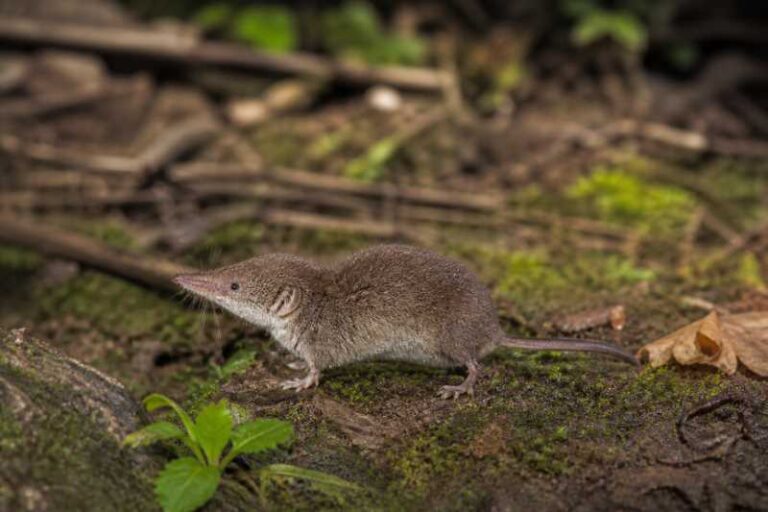
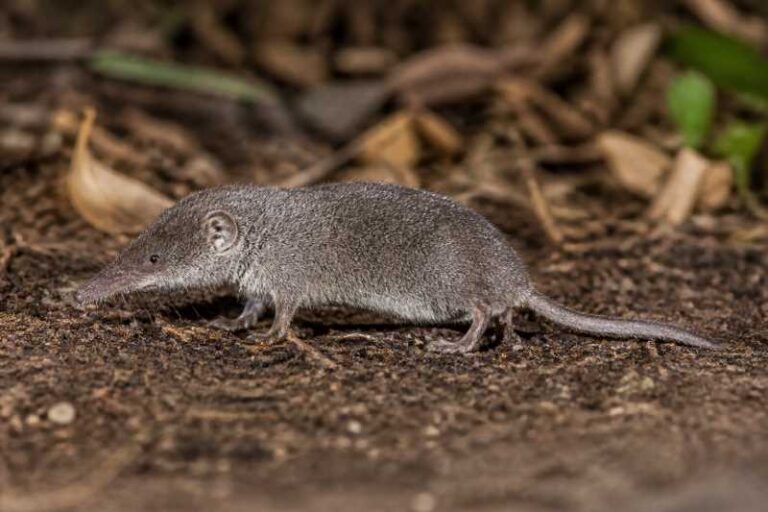
The West Mexican Cotton Rat is a medium-sized rodent characterized by its robust build and distinct fur texture. Typically, these rats measure between 20 to 30 cm in length, including their tail, which usually accounts for about half of their total length. Their weight ranges from 60 to 120 grams, with males generally being larger than females.
The fur of the West Mexican Cotton Rat is a defining feature, typically dense and coarse. The dorsal side exhibits a mix of brown and black hues, providing effective camouflage against the natural backdrop of their habitat. In contrast, the ventral fur is usually lighter, often appearing white or grayish.
The ears of the West Mexican Cotton Rat are small and rounded, while their eyes are relatively large, aiding in nocturnal activities. Their tail, sparsely furred, is slightly darker on the top side compared to the underside.
Range and Habitat
Sigmodon mascotensis primarily inhabits the western regions of Mexico, with a distribution range extending from southern Sonora down through the states of Nayarit, Jalisco, and into Michoacán. This geographical span covers a diversity of landscapes, from coastal plains to upland areas.
The preferred habitats of the West Mexican Cotton Rat include grasslands, agricultural fields, and areas with dense shrubbery. They are particularly fond of areas with abundant ground cover, which provides necessary protection from predators and harsh weather conditions. Their adaptability also allows them to thrive in disturbed habitats, such as fallow fields and pastures.
Behavior and Diet
West Mexican Cotton Rats are predominantly nocturnal, engaging in most of their feeding and social activities during the night. They are known for their intricate burrowing systems, which serve as shelters and foraging grounds. These burrows are often shared with other individuals, indicating a degree of social structure.
Their diet primarily consists of grasses, seeds, and stems, but they are opportunistic feeders, occasionally consuming insects and small invertebrates. This varied diet not only supports their nutritional needs but also helps in seed dispersal, playing a crucial role in maintaining the ecological balance of their habitat.
Socially, the West Mexican Cotton Rat exhibits a territorial nature, with individuals marking their ranges using scent glands. Communication among these rats involves a series of vocalizations and physical gestures, which are vital for mating and hierarchical interactions.
Identification Tips (Field Recognition Cues)
Identifying the West Mexican Cotton Rat in the field involves observing several key characteristics:
- Size and Build: Look for a medium-sized rodent with a robust physique.
- Fur Texture and Color: Note the coarse fur with a mix of brown and black on the dorsal side and lighter shades underneath.
- Tail: A sparsely furred tail with a darker top side is a distinguishing feature.
- Activity Patterns: Observing activity during dusk or nighttime can be a cue, as they are primarily nocturnal.
- Habitat: Spotting them in grasslands or dense shrub areas increases the likelihood of encountering this species.
Conservation Status (with Threats and Protections)
The West Mexican Cotton Rat is currently not listed as endangered. However, its populations face several threats that could impact their numbers. Habitat destruction due to agricultural expansion and urban development poses a significant risk. Additionally, pesticide use in farming areas can indirectly affect these rodents by reducing their food sources and introducing toxins into their environment.
Despite these challenges, the adaptability of the West Mexican Cotton Rat has enabled it to maintain stable populations across its range. Conservation efforts should focus on habitat preservation and sustainable agricultural practices to ensure the continued survival of this species.
Frequently Asked Questions
1. What is the primary diet of the West Mexican Cotton Rat?
The West Mexican Cotton Rat primarily feeds on grasses, seeds, and stems, but it is also known to consume insects and small invertebrates when available.
2. How can I identify a West Mexican Cotton Rat in the wild?
Key identifying features include its medium size, robust build, coarse fur with a mix of brown and black on the dorsal side, and a sparsely furred tail. Observing these traits in its natural habitat during dusk or night can aid in identification.
3. Where can the West Mexican Cotton Rat be found?
This species is found in the western regions of Mexico, particularly in areas with abundant ground cover such as grasslands and agricultural fields across states like Sonora, Nayarit, and Jalisco.
4. What are the main threats to the West Mexican Cotton Rat?
Habitat destruction due to agricultural expansion and urban development, as well as pesticide use, are significant threats to the West Mexican Cotton Rat.
5. Are West Mexican Cotton Rats social animals?
Yes, they exhibit social behaviors, often sharing burrows and communicating through vocalizations and physical gestures, especially during mating and territorial interactions.
Related posts