Introduction
The Serra da Mantiqueira Atlantic Tree-rat, scientifically known as Phyllomys mantiqueirensis, is an elusive and fascinating mammal species native to the Atlantic Forests of Brazil. This unique rodent is part of the Echimyidae family, which includes a variety of spiny rats found across South America. Given its limited range and specialized habitat, the Serra da Mantiqueira Atlantic Tree-rat is of significant interest to conservationists and researchers alike. Despite its inconspicuous presence in the wild, this tree-rat plays a vital role in the ecosystem, contributing to seed dispersal and forest dynamics.
Physical Description
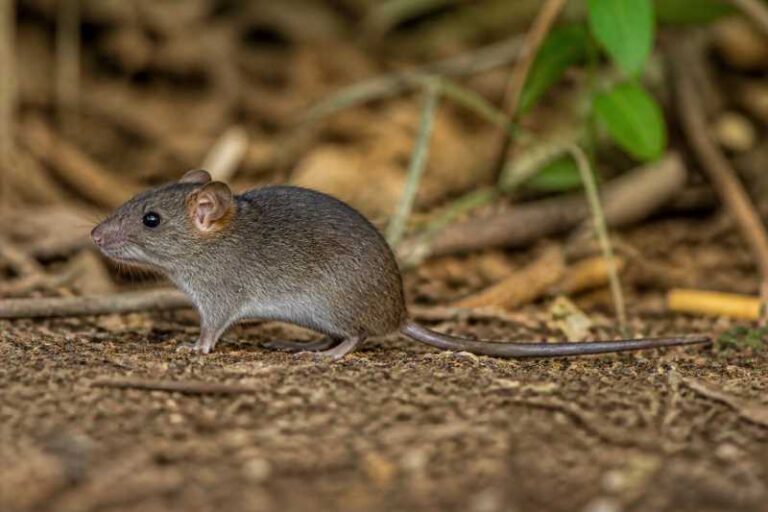
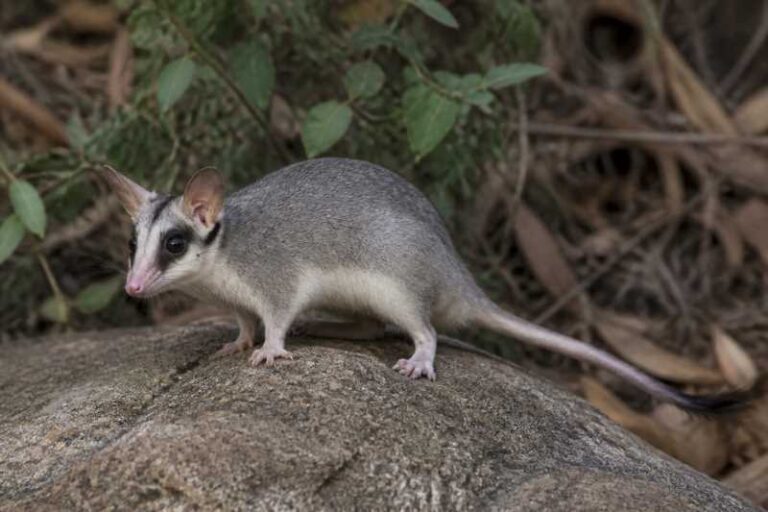
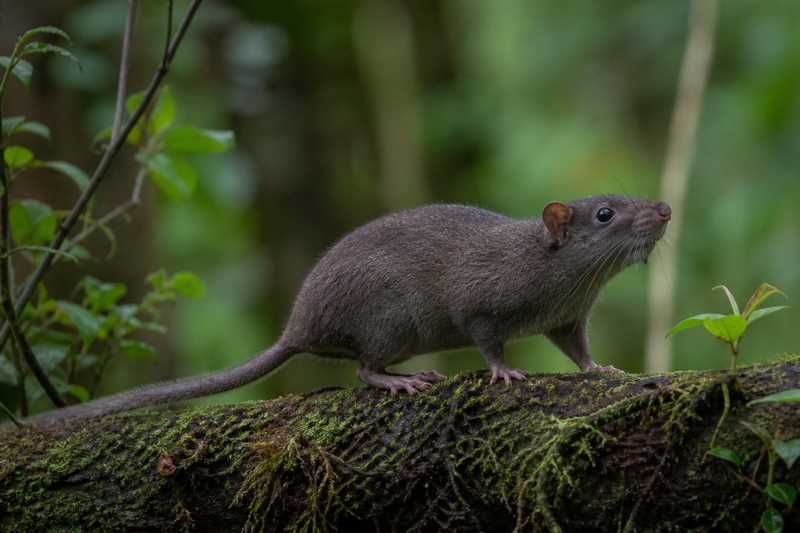
The Serra da Mantiqueira Atlantic Tree-rat exhibits a distinct combination of physical traits that make it well-adapted to its arboreal lifestyle. Typically, this species has a body length of approximately 20 to 25 centimeters, with a long, prehensile tail that extends an additional 15 to 20 centimeters. The tail is covered with scales and sparse fur, aiding in balance and grip while navigating the forest canopy.
Its fur is predominantly a mix of brown and gray tones, providing effective camouflage against the bark and leaves of its arboreal habitat. The fur is soft, with some spiny hairs that offer protection from predators. The face of the tree-rat features large, black eyes that facilitate night vision, and its ears are relatively small, reducing the risk of injury as it moves through dense vegetation.
Range and Habitat
The Serra da Mantiqueira Atlantic Tree-rat is endemic to the Serra da Mantiqueira mountain range in southeastern Brazil. This region is characterized by its rich biodiversity and lush Atlantic Forests, one of the most diverse ecosystems on the planet. The tree-rat primarily inhabits the montane forests, which are found at elevations ranging from 800 to 2,400 meters.
These forests are known for their high humidity, dense canopy, and complex vertical structure, providing ample resources and shelter for the tree-rat. They thrive in areas with a dense understory and a variety of tree species that offer food and nesting opportunities. However, habitat fragmentation and deforestation pose significant threats to these ecosystems, impacting the tree-rat’s distribution and survival.
Behavior and Diet
The Serra da Mantiqueira Atlantic Tree-rat is a nocturnal and arboreal creature, spending most of its life high in the trees. Its nocturnal habits help it avoid predators and take advantage of cooler temperatures and reduced competition for food.
Dietarily, this tree-rat is primarily herbivorous, feeding on a variety of plant materials, including fruits, seeds, leaves, and bark. This diet not only sustains the tree-rat but also plays a crucial role in seed dispersal, contributing to the regeneration and spread of plant species within its habitat.
Socially, the tree-rat tends to be solitary or found in small family groups. They communicate using a range of vocalizations and scent markings, which help establish territory and recognize individuals. Nesting is another important aspect of their behavior, with individuals constructing nests in tree hollows or dense foliage to provide shelter and protection.
Identification Tips
Identifying the Serra da Mantiqueira Atlantic Tree-rat in the field requires keen observation and knowledge of its distinctive features:
- Tail: Look for a long, prehensile tail that is scaly with sparse fur, often used for balancing and gripping branches.
- Fur: Notice the mixed brown and gray fur with some spiny hairs, aiding in camouflage among tree bark and leaves.
- Size: The tree-rat is relatively small, with a body length of 20 to 25 centimeters and a tail adding another 15 to 20 centimeters.
- Habitat: Focus your search in montane forests at elevations between 800 and 2,400 meters.
- Activity: Since they are nocturnal, early evening or night observations may increase the chance of sighting.
Conservation Status
The Serra da Mantiqueira Atlantic Tree-rat is currently classified as Near Threatened on the IUCN Red List, primarily due to habitat loss and fragmentation. The ongoing deforestation of the Atlantic Forest for agriculture, urbanization, and logging significantly reduces available habitats for this species.
Conservation efforts are crucial to preserving the remaining forested areas and ensuring the survival of the tree-rat. Protected areas within the Serra da Mantiqueira, such as national parks and reserves, offer some refuge for this species. Conservation organizations are also working to restore degraded habitats and promote sustainable land use practices.
Public awareness and education initiatives are essential in garnering support for conservation measures. By highlighting the ecological importance of the Serra da Mantiqueira Atlantic Tree-rat and its forest home, these efforts aim to foster a connection between local communities and biodiversity conservation.
Frequently Asked Questions
1. What is the role of the Serra da Mantiqueira Atlantic Tree-rat in the ecosystem?
The Serra da Mantiqueira Atlantic Tree-rat plays a vital role in seed dispersal, aiding in the regeneration and spread of plant species within its montane forest habitat. This ecological function supports forest dynamics and biodiversity.
2. How is the Serra da Mantiqueira Atlantic Tree-rat affected by deforestation?
Deforestation significantly impacts the tree-rat by reducing its available habitat, leading to population decline and increased vulnerability to predators. Habitat fragmentation further isolates populations, hindering genetic diversity and long-term survival.
3. What conservation measures are in place to protect the Serra da Mantiqueira Atlantic Tree-rat?
Conservation measures include the establishment of protected areas within the Serra da Mantiqueira, habitat restoration projects, and public education initiatives aimed at promoting sustainable land use and biodiversity conservation.
4. How can local communities contribute to the conservation of the Serra da Mantiqueira Atlantic Tree-rat?
Local communities can contribute by supporting sustainable land use practices, participating in habitat restoration projects, and engaging in educational programs that raise awareness about the ecological importance of the tree-rat and its habitat.
5. What are the main threats to the Serra da Mantiqueira Atlantic Tree-rat?
The main threats include habitat loss due to deforestation, fragmentation, and human encroachment. Predation and competition from invasive species also pose challenges to the survival of the tree-rat.
Related posts