Eastern Kultarr (Antechinomys laniger): A Comprehensive Guide
Introduction
The Eastern Kultarr, scientifically known as Antechinomys laniger, is a fascinating marsupial that captivates both scientists and wildlife enthusiasts alike. With its unique adaptations and nocturnal lifestyle, this small mammal plays a crucial role in its ecosystem. Despite its intriguing nature, the Eastern Kultarr is often overshadowed by more prominent Australian wildlife. This article aims to shed light on the characteristics, habitat, behavior, and conservation of this unusual species.
Physical Description
The Eastern Kultarr is a small, agile creature, best recognized for its distinct physical traits. Measuring between 10 to 15 centimeters in body length, with an additional tail length of approximately 15 to 20 centimeters, it is a petite member of the Dasyuridae family. The species exhibits sexual dimorphism, with females generally being smaller than males.
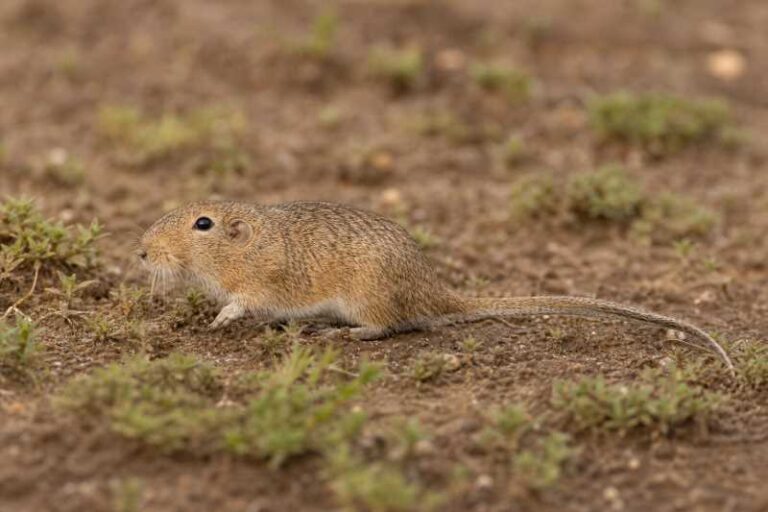
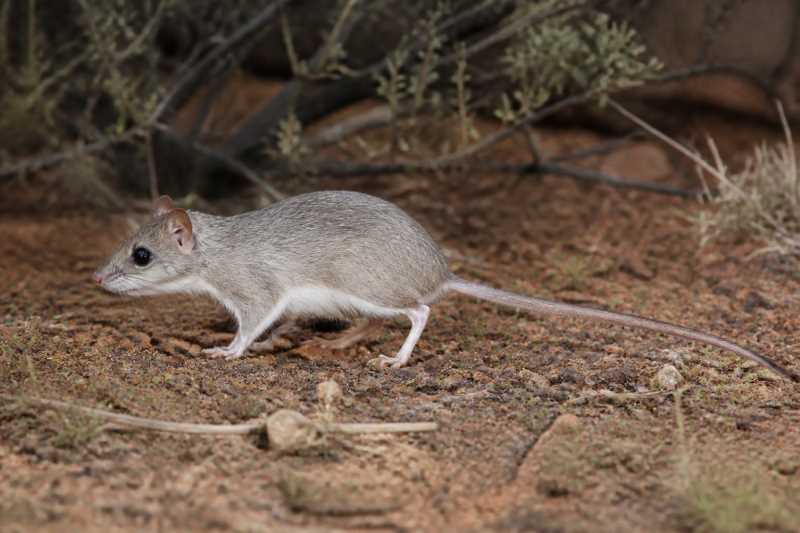
The Eastern Kultarr has a slender build, complemented by long, thin legs that are adapted for rapid movement. Its fur is a soft, sandy color, providing excellent camouflage against the arid landscapes it inhabits. The underbelly is typically lighter, often a pale cream or white shade. One of the most striking features of the Eastern Kultarr is its large, rounded ears and expressive eyes, which are adaptations for its nocturnal lifestyle, aiding in detecting prey and predators in low-light conditions.
Range and Habitat
The Eastern Kultarr is predominantly found in arid and semi-arid regions of Australia. Its range extends across several states, including Queensland, New South Wales, South Australia, and the Northern Territory. The species prefers habitats that offer both shelter and foraging opportunities, such as grasslands, shrublands, and open woodlands.
These environments provide the Eastern Kultarr with ample hiding spots from predators, as well as a diverse array of invertebrates to feed on. The species is known to occupy burrows or seek shelter under logs and rocks, which offer protection during the day when it is inactive.
Behavior and Diet
The Eastern Kultarr is predominantly nocturnal, engaging in most of its activities under the cover of darkness. This nocturnal behavior is a strategic adaptation to avoid the harsh daytime temperatures of its arid habitat and reduce the risk of predation.
In terms of diet, the Eastern Kultarr is insectivorous, primarily feeding on insects and other small invertebrates. Its diet consists of beetles, spiders, and grasshoppers, which it captures using its keen sense of hearing and sight. The Kultarr’s hunting technique involves swift, agile movements, allowing it to pounce on prey with precision.
Socially, the Eastern Kultarr is a solitary animal, coming together only during the breeding season. This solitary nature is likely an adaptation to its environment, where resources can be scarce, necessitating individual foraging.
Identification Tips (Field Recognition Cues)
Identifying the Eastern Kultarr in the wild can be challenging due to its elusive nature and nocturnal habits. However, with careful observation, several field recognition cues can aid in its identification:
- Size and Build: Look for a small, slender marsupial with long legs and a relatively long tail.
- Fur Coloration: Note the sandy-colored fur with a lighter underbelly, which blends into the arid environments.
- Ears and Eyes: Large, rounded ears and prominent eyes are key features; these adaptations are crucial for their nocturnal lifestyle.
- Behavior: Observe the animal’s movement; the Eastern Kultarr is known for its quick, agile pounces.
- Habitat: Search in suitable habitats such as grasslands and shrublands during night-time hours.
Conservation Status (with Threats and Protections)
The Eastern Kultarr is currently listed as Near Threatened on the IUCN Red List. Several factors contribute to its vulnerable status, including habitat loss, predation by introduced species, and climate change.
Threats
- Habitat Degradation: Urban development, agriculture, and mining activities have led to significant habitat loss, reducing the available living space for the Eastern Kultarr.
- Invasive Species: Predation by introduced species such as feral cats and foxes has severely impacted Kultarr populations, as these predators are adept hunters in the Kultarr’s native habitat.
- Climate Change: Changes in temperature and rainfall patterns affect the availability of food resources and suitable habitats for the Eastern Kultarr.
Protections
Efforts to conserve the Eastern Kultarr include habitat restoration projects and predator control programs. Protected areas have been established to safeguard critical habitats, and ongoing research aims to better understand the species’ ecology and requirements.
Frequently Asked Questions
What is the Eastern Kultarr’s primary diet?
The Eastern Kultarr primarily feeds on insects and small invertebrates, making it an insectivorous species. Its diet includes beetles, spiders, and grasshoppers, which it hunts using its enhanced nocturnal senses.
Where can the Eastern Kultarr be found in Australia?
The Eastern Kultarr is found in arid and semi-arid regions across several Australian states, including Queensland, New South Wales, South Australia, and the Northern Territory. It prefers habitats like grasslands, shrublands, and open woodlands.
How does the Eastern Kultarr avoid predators?
The Eastern Kultarr avoids predators through its nocturnal lifestyle, using camouflage and agility to stay hidden and escape threats. Its large ears and eyes help detect predators at night, and it often seeks shelter in burrows or under natural debris during the day.
What are the main threats to the Eastern Kultarr?
The main threats to the Eastern Kultarr include habitat loss due to urban development and agriculture, predation by introduced species like feral cats and foxes, and the impacts of climate change affecting habitat and food availability.
How is the Eastern Kultarr being protected?
Conservation efforts for the Eastern Kultarr include habitat restoration, predator control programs, and the establishment of protected areas to conserve critical habitats. Research is ongoing to better understand the species’ needs and enhance conservation strategies.
Related posts