Introduction
The Cyprus White-toothed Shrew (Crocidura cypria), a small mammalian species endemic to Cyprus, represents a fascinating subject in the study of biodiversity and conservation. This tiny insectivore, part of the Soricidae family, is known for its elusive nature and critical ecological role. Despite its diminutive size, the Cyprus White-toothed Shrew is a subject of significant interest due to its limited range and unique adaptations to the Mediterranean island’s environment.
Physical Description
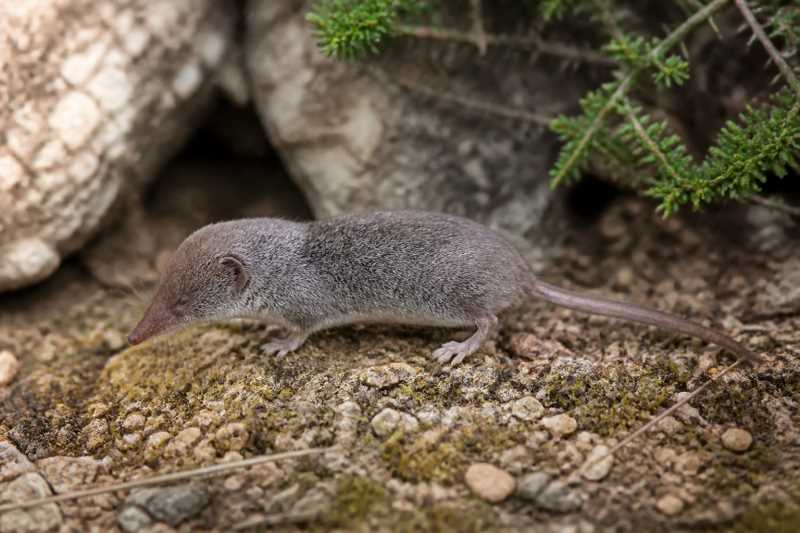
The Cyprus White-toothed Shrew is a small mammal, with an average body length of about 6 to 8 centimeters. Its tail, measuring approximately 3.5 to 4.5 centimeters, is relatively short compared to its body. This shrew’s fur is typically a soft grayish-brown on the dorsal side and slightly lighter on the ventral side, providing effective camouflage in its natural habitat.
One of the defining characteristics of the Cyprus White-toothed Shrew is its pointed snout and small, rounded ears that are often hidden by its dense fur. The species possesses tiny, white teeth, which are a distinctive feature among members of the genus Crocidura. These teeth are not used for predation but are essential for consuming a diet primarily composed of insects and other small invertebrates.
Range and Habitat
The geographic range of the Cyprus White-toothed Shrew is limited to the island of Cyprus, making it an endemic species. Within Cyprus, the shrew occupies a variety of habitats, including forested areas, shrublands, and grasslands. It is often found in regions with dense ground cover, which provides both protection from predators and abundant foraging opportunities.
Preferred habitats are characterized by a Mediterranean climate with hot, dry summers and mild, wet winters. The Cyprus White-toothed Shrew is highly adaptable within its range, capable of surviving in both natural and semi-natural environments. However, its presence is more common in undisturbed areas where human activity is minimal.
Behavior and Diet
The Cyprus White-toothed Shrew is primarily nocturnal, with peak activity periods during the night. This behavior helps it avoid predators and take advantage of cooler temperatures. The shrew is solitary by nature, with individuals maintaining and defending their own territories.
Its diet consists mainly of insects and other small invertebrates, including beetles, spiders, and worms. The shrew uses its acute sense of smell and hearing to locate prey, relying on quick, precise movements to catch its meals. This diet not only provides the necessary nutrients but also helps regulate the populations of various invertebrates within its ecosystem.
Identification Tips
Identifying the Cyprus White-toothed Shrew in the field can be challenging due to its elusive nature and small size. However, several key characteristics can aid in recognition:
- Size and Shape: Look for a small mammal with a body length of around 6 to 8 centimeters and a proportionately short tail.
- Coloration: Note the grayish-brown dorsal fur and lighter ventral fur, which provides camouflage.
- Snout and Ears: The pointed snout and small, rounded ears are distinguishing features.
- Activity Patterns: Observe nocturnal activity and solitary behavior, which are indicative of this species.
Conservation Status
The conservation status of the Cyprus White-toothed Shrew is currently listed as Least Concern by the International Union for Conservation of Nature (IUCN). However, its limited range and specific habitat requirements make it vulnerable to habitat loss and degradation.
Threats
The primary threats to the Cyprus White-toothed Shrew include:
- Habitat Destruction: Urbanization and agricultural expansion are leading to habitat loss.
- Pollution: Use of pesticides and other chemicals can degrade habitat quality and reduce prey availability.
- Climate Change: Shifts in climate patterns may alter the habitats and resources available to the shrew.
Protections
Conservation efforts are focused on habitat protection and management. Preserving natural areas, regulating pesticide use, and monitoring population trends are crucial to ensuring the survival of the Cyprus White-toothed Shrew. Collaborative efforts with local and international conservation organizations are essential to mitigate threats and promote sustainable land-use practices.
Frequently Asked Questions
What does the Cyprus White-toothed Shrew eat?
The Cyprus White-toothed Shrew primarily feeds on insects and small invertebrates such as beetles, spiders, and worms. Its diet plays a crucial role in controlling invertebrate populations in its ecosystem.
Where can the Cyprus White-toothed Shrew be found?
This species is endemic to Cyprus and can be found in forested areas, shrublands, and grasslands on the island. It prefers regions with dense ground cover and minimal human disturbance.
How can I identify a Cyprus White-toothed Shrew in the wild?
Look for a small mammal with grayish-brown fur, a pointed snout, and small, rounded ears. Observing nocturnal activity and solitary behavior can also aid identification.
Is the Cyprus White-toothed Shrew endangered?
Currently, the Cyprus White-toothed Shrew is listed as Least Concern. However, habitat loss and environmental changes pose potential threats, necessitating ongoing conservation efforts.
What conservation measures are in place for the Cyprus White-toothed Shrew?
Conservation measures include habitat protection, regulation of pesticide use, and monitoring of population trends. Collaborative efforts with conservation organizations help mitigate threats and promote sustainable practices.
Related posts