Introduction
Gray’s Long-tongued Bat, scientifically known as Glossophaga leachii, is a fascinating species within the family Phyllostomidae. These bats are renowned for their long tongues, which are perfectly adapted for their nectar-feeding habits. This bat species plays a vital role in pollination, contributing to the health and sustainability of their ecosystems. Understanding the characteristics, habitat, and conservation status of Glossophaga leachii is essential for appreciating their ecological importance.
Physical Description
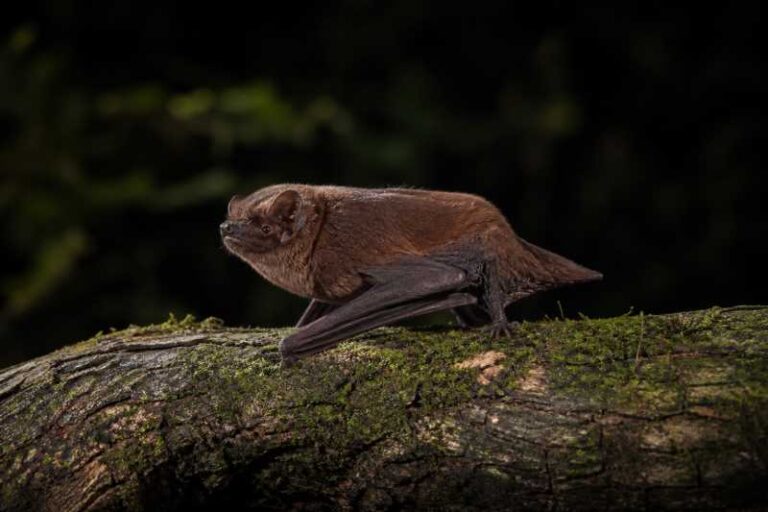
Gray’s Long-tongued Bat is a small bat species characterized by its elongated snout and tongue, which are specialized for extracting nectar from flowers. The fur of these bats is typically a grayish-brown, providing a degree of camouflage within their natural habitats. Their wings are relatively large in proportion to their body size, allowing for agile flight necessary for navigating through dense vegetation and accessing flowers.
These bats possess a wingspan ranging from 20 to 30 centimeters, while their body length is approximately 5 to 7 centimeters. The long tongue of Glossophaga leachii can extend up to 50% longer than its head length, equipped with specialized papillae to efficiently gather nectar.
Range and Habitat
Glossophaga leachii is predominantly found in the Neotropical regions, spanning from Mexico to northern parts of South America. These bats inhabit a variety of ecosystems, including tropical forests, dry deciduous forests, and scrublands. They are often found at elevations ranging from sea level to 2,500 meters, showcasing their adaptability to diverse environmental conditions.
The bats typically roost in caves, hollow trees, and man-made structures. Their preference for roosting sites is influenced by factors such as temperature, humidity, and proximity to feeding sites.
Behavior and Diet
Gray’s Long-tongued Bat is primarily nocturnal, engaging in most of its activities under the cover of darkness. These bats are solitary foragers but may roost in small groups. Their diet consists mainly of nectar, but they also consume pollen and, occasionally, insects. This dietary flexibility allows them to thrive in various environments.
Their role as pollinators is crucial, as they facilitate the reproduction of numerous plant species. While feeding, pollen adheres to their bodies and is transferred from flower to flower, aiding in plant fertilization and biodiversity.
Identification Tips
When attempting to identify Glossophaga leachii in the field, consider the following recognition cues:
- Long Tongue: Observe the bat’s feeding behavior; its extended tongue is a distinctive feature.
- Coloration: Look for the grayish-brown fur, which is typical of the species.
- Flight Pattern: Note the agile and swift flight, characteristic of nectar-feeding bats.
- Size: Compare the bat’s size to others in the area, noting its relatively small stature and large wingspan.
Conservation Status
Currently, Glossophaga leachii is listed as Least Concern by the IUCN Red List. However, their populations face threats from habitat destruction, primarily due to deforestation and land conversion for agriculture. Additionally, climate change poses a significant risk by altering flowering patterns and nectar availability.
Conservation efforts include habitat protection and restoration, as well as initiatives to mitigate climate change impacts. Educating local communities about the ecological roles of these bats can foster conservation support.
Frequently Asked Questions
1. What is the primary diet of Gray’s Long-tongued Bat?
Gray’s Long-tongued Bat primarily feeds on nectar, supplemented by pollen and occasional insects. Their long tongues are specially adapted for nectar extraction, making them effective pollinators.
2. Where can Gray’s Long-tongued Bat be found?
These bats are found in the Neotropical regions, from Mexico to northern South America. They inhabit various ecosystems, including tropical and dry forests, as well as scrublands.
3. Why is Gray’s Long-tongued Bat important for ecosystems?
Gray’s Long-tongued Bat plays a crucial role in pollination, aiding in the reproduction of several plant species. This activity supports biodiversity and ecosystem health.
4. How can one identify Gray’s Long-tongued Bat in the wild?
Key identification features include their long tongues, grayish-brown fur, agile flight patterns, and relatively small size.
5. What are the conservation challenges facing Gray’s Long-tongued Bat?
The primary challenges include habitat destruction due to deforestation and climate change, which affects their food sources and roosting sites.
Related posts