Introduction
The Wongai Ningaui (Ningaui ridei) is a fascinating and lesser-known marsupial native to Australia. As a member of the Dasyuridae family, it is closely related to other small carnivorous marsupials such as the Tasmanian devil and quolls. Named after the Wongai people, the indigenous community from the region where this species is commonly found, the Wongai Ningaui is an excellent example of the diverse and unique wildlife that inhabits the Australian continent. This article aims to provide a comprehensive overview of the Wongai Ningaui, covering its physical characteristics, habitat, behavior, diet, conservation status, and more.
Physical Description
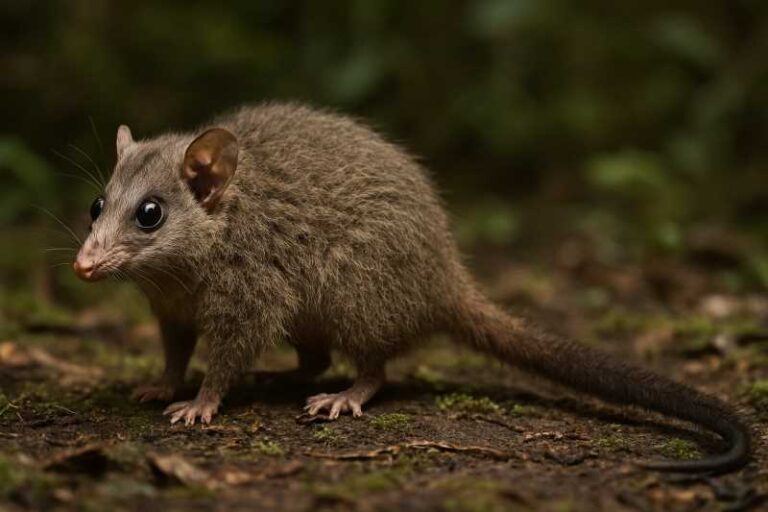
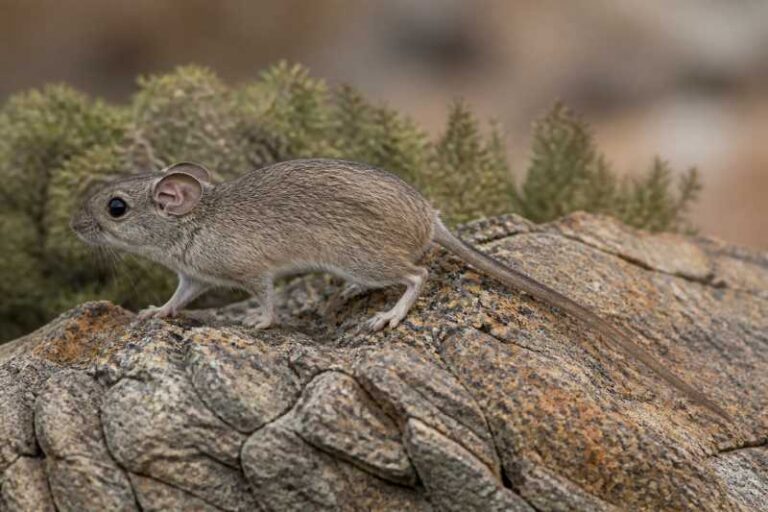
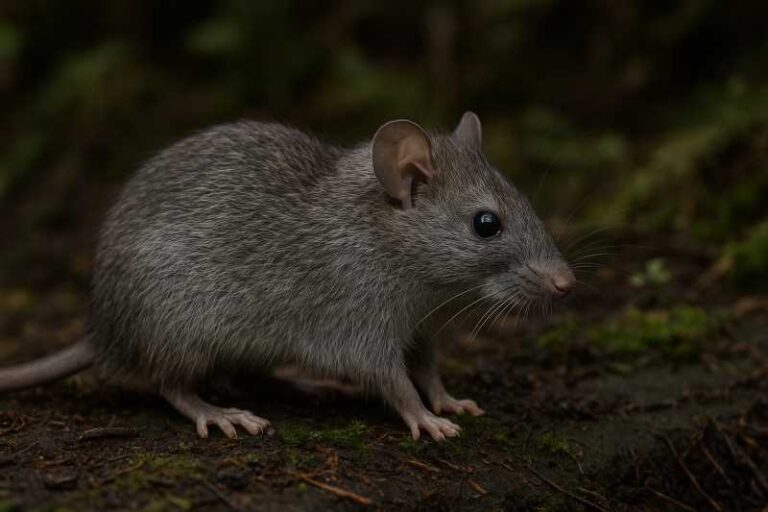
The Wongai Ningaui is a small, mouse-sized marsupial with several distinctive features that set it apart from other similar species. Typically, an adult Wongai Ningaui weighs between 9 and 14 grams and measures about 6 to 9 centimeters in body length, with an additional tail length of approximately 7 to 10 centimeters.
Its fur is soft and dense, predominantly grayish-brown, which provides excellent camouflage against the arid desert landscapes it inhabits. The underbelly is usually a lighter shade, often appearing creamy or whitish. The species has a pointed snout and small, rounded ears that are well-adapted for detecting sound in its environment.
One of the most distinctive features of the Wongai Ningaui is its long, prehensile tail, which is used to aid in balance and maneuvering through its habitat. Its feet are equipped with sharp claws, ideal for climbing and grasping onto vegetation.
Range and Habitat
The Wongai Ningaui is primarily found across the arid and semi-arid regions of central and western Australia. Its range extends from western Queensland through South Australia and into the eastern parts of Western Australia. This distribution reflects the species’ adaptability to some of the harshest climates on the continent.
The preferred habitat of the Wongai Ningaui includes spinifex grasslands and shrublands, where it can find both shelter and food. Spinifex, a tough, spiny grass, provides excellent cover and a complex structure of tunnels and pathways, which the Ningaui uses for protection against predators and extreme weather conditions.
Behavior and Diet
The Wongai Ningaui is predominantly nocturnal, becoming active at night to forage and hunt for food. During the day, it seeks refuge in the dense spinifex clumps or burrows to avoid the high temperatures of the desert environment.
Its diet is primarily carnivorous, consisting of small insects, spiders, and other arthropods. The Wongai Ningaui is an opportunistic feeder, meaning it will consume whatever small prey is available. Its sharp teeth and agile movements make it an efficient hunter.
Socially, the Wongai Ningaui is mostly solitary, except during the breeding season. Mating typically occurs in the late winter to early spring, and females give birth to litters of up to six young. The young are carried in the mother’s pouch until they are developed enough to be left in a nest while the mother forages.
Identification Tips
Identifying the Wongai Ningaui in the wild can be challenging due to its small size and nocturnal habits. However, there are several field recognition cues that can aid in its identification:
- Size and Shape: Look for a small, mouse-sized marsupial with a slender body and long, prehensile tail.
- Fur Color: Note the grayish-brown fur with a lighter underbelly.
- Habitat: Focus on areas with dense spinifex grasslands and arid shrublands.
- Activity Time: Search during the night when the Ningaui is active, using a flashlight to catch the reflection of its eyes.
- Behavior: Observe for quick, agile movements as it hunts for insects and other small prey.
Conservation Status
The Wongai Ningaui is currently classified as a species of Least Concern by the International Union for Conservation of Nature (IUCN). Despite this status, it faces several threats that could impact its population in the future.
Threats
- Habitat Loss: Urban development and agricultural expansion can lead to the degradation and fragmentation of its natural habitat.
- Predation: Introduced species such as cats and foxes pose a significant threat to the Wongai Ningaui, preying on both adults and young.
- Climate Change: Alterations in climate patterns may affect the availability of suitable habitat and food resources.
Protections
Conservation efforts for the Wongai Ningaui include habitat protection and management, as well as predator control programs. Protected areas and national parks within its range play a crucial role in preserving its natural habitat and ensuring the species’ long-term survival.
Frequently Asked Questions
What is the diet of the Wongai Ningaui?
The Wongai Ningaui primarily feeds on insects, spiders, and other small arthropods. It is an opportunistic feeder, adapting its diet based on prey availability.
Where can the Wongai Ningaui be found?
This species is found in the arid and semi-arid regions of central and western Australia, particularly in spinifex grasslands and shrublands.
How does the Wongai Ningaui adapt to its environment?
The Wongai Ningaui has several adaptations, including nocturnal habits to avoid extreme heat, a prehensile tail for balance in spinifex grasses, and a carnivorous diet to capitalize on available prey.
What are the major threats to the Wongai Ningaui?
Major threats include habitat loss due to development, predation by introduced species like cats and foxes, and the impacts of climate change on its habitat and food resources.
How is the Wongai Ningaui protected?
Conservation measures include habitat protection in national parks, predator control programs, and ongoing monitoring to ensure population stability.
Related posts