The Jambandu Indigobird: A Rare Ornithological Gem
The Jambandu Indigobird (Vidua raricola) is a fascinating avian species that captures the imagination of ornithologists and bird enthusiasts alike. Known for its remarkable mimicry and parasitic breeding habits, this bird offers a unique glimpse into the complex dynamics of avian ecology and evolution. This article delves into the various aspects of the Jambandu Indigobird, including its taxonomy, habitat, behavior, and conservation status.
Taxonomy and Evolution
The Jambandu Indigobird belongs to the family Viduidae, a group of brood-parasitic finches native to sub-Saharan Africa. The genus Vidua is known for its intricate relationships with host species, primarily small seed-eating birds such as finches and waxbills. The evolutionary history of the Vidua genus is a captivating study of coevolution and adaptation, as these birds have developed highly specialized behaviors to ensure the survival of their offspring.
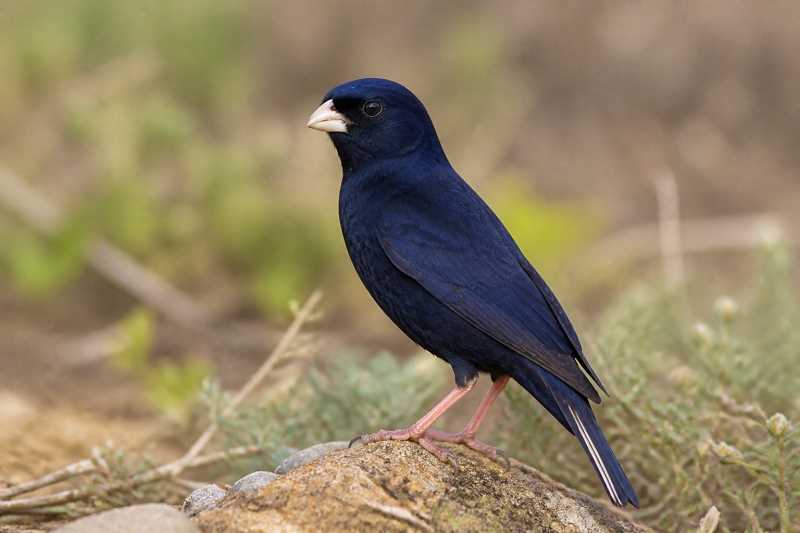
The name "Jambandu Indigobird" is derived from its striking indigo plumage, which is especially vibrant in males during the breeding season. The species epithet "raricola" suggests its rarity and specialized ecological niche. Despite being less well-known than some of its relatives, the Jambandu Indigobird is a subject of growing interest due to its unique adaptations and behaviors.
Habitat and Distribution
The Jambandu Indigobird primarily inhabits savannahs, open woodlands, and grasslands, where it is closely associated with its host species. These birds are found in specific regions of sub-Saharan Africa, though their range can vary depending on the presence and distribution of their host species. As brood parasites, indigobirds are heavily reliant on their hosts for reproduction, which ties their distribution closely to that of their hosts.
Due to their specific habitat requirements and reliance on host species, Jambandu Indigobirds are considered to have a patchy distribution. The availability of suitable habitats and host populations can significantly influence their local abundance and overall distribution. Conservation efforts, therefore, often focus on preserving and maintaining the habitats that support both the indigobirds and their host species.
Behavior and Ecology
The Jambandu Indigobird is best known for its brood parasitism, a behavior where the female lays her eggs in the nests of other bird species. This strategy allows indigobirds to offload the costly duties of parenthood to their unsuspecting hosts. The host species incubate the indigobird’s eggs and rear the chicks, often at the expense of their own offspring.
To successfully integrate into the host family, Jambandu Indigobird chicks employ remarkable mimicry. They have evolved to produce begging calls and displays that closely resemble those of the host’s chicks. This deception is crucial for ensuring that the host parents provide adequate care and feeding to the indigobird chicks.
Adult male Jambandu Indigobirds are also known for their vocal mimicry. During the breeding season, males sing complex songs that include imitations of the calls of their host species. This mimicry is believed to play a role in attracting females, who may select mates based on their ability to accurately replicate host calls.
Reproduction and Lifespan
The breeding season for the Jambandu Indigobird coincides with that of its host species, ensuring that host nests are available for parasitism. Females lay their eggs in multiple host nests over the course of a breeding season, spreading the risk of egg loss and increasing the chances of offspring survival.
Once the indigobird chicks hatch, they compete with the host’s chicks for food and parental care. Due to their advanced begging displays and calls, indigobird chicks often outcompete their nest mates, sometimes leading to the demise of the host’s offspring. This ruthless competition is a hallmark of brood parasitism and highlights the complex interplay of survival strategies in nature.
In terms of lifespan, Jambandu Indigobirds have a typical life expectancy of 3 to 5 years in the wild, although individual longevity can vary based on environmental conditions and predation pressures.
Conservation Status and Challenges
The conservation status of the Jambandu Indigobird is currently not well-documented, primarily due to its elusive nature and the challenges of studying brood parasites in the wild. However, like many other bird species, indigobirds face threats from habitat loss, climate change, and human activities.
Preservation of their natural habitats is crucial for the continued survival of Jambandu Indigobirds and their host species. Efforts to conserve savannahs, grasslands, and open woodlands can help maintain the delicate ecological balance necessary for these birds to thrive.
Conclusion
The Jambandu Indigobird is a remarkable example of nature’s ingenuity, showcasing the complex relationships that exist in the animal kingdom. Its unique behaviors, striking appearance, and specialized ecological niche make it a subject of fascination and importance in the study of avian biology.
Understanding and protecting this species requires a concerted effort from researchers, conservationists, and policymakers to address the environmental challenges faced by indigobirds and their habitats. By promoting awareness and implementing effective conservation strategies, we can ensure that the Jambandu Indigobird continues to grace the African landscapes with its presence for generations to come.
Related posts