Introduction
The Zulu Serotine (Neoromicia zuluensis) is an intriguing bat species belonging to the Vespertilionidae family. This small, nocturnal mammal is known for its agility and adaptability, playing a significant role in its ecosystem as both predator and prey. Despite its ecological importance, much about the Zulu Serotine remains elusive to the scientific community, making it a fascinating subject for further study.
Bats, in general, are often misunderstood and underappreciated, yet they contribute immensely to biodiversity and environmental health. As insectivorous mammals, species like the Zulu Serotine help control insect populations, including pests that can impact agriculture and human health. Understanding the Zulu Serotine not only enriches our knowledge of biodiversity but also highlights the interconnectedness of ecosystems.
Physical Description
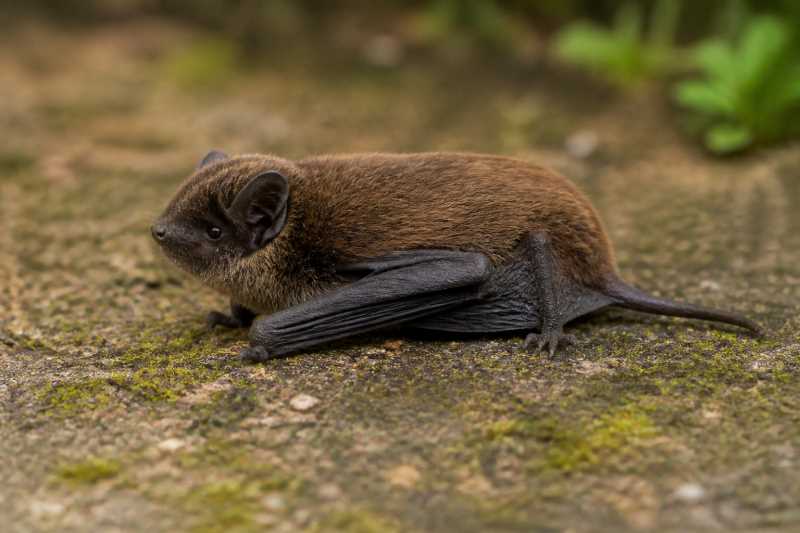
The Zulu Serotine is a small bat characterized by its delicate features and subtle coloration. Adults typically weigh between 5 to 10 grams and boast a wingspan ranging from 25 to 30 centimeters, making them well-suited for agile flight. Their fur is generally a uniform shade of brown, which serves as effective camouflage against tree bark and within their roosting habitats.
The facial features of the Zulu Serotine are particularly noteworthy. They possess a short, broad snout and rounded ears that are relatively large in proportion to their head size, enhancing their echolocation abilities. Their wings are long and narrow, optimized for rapid, maneuverable flight. The tail is partially enclosed within the interfemoral membrane, aiding in steering and balance during flight.
Range and Habitat
Neoromicia zuluensis is primarily found in the southern regions of Africa, with confirmed populations in countries such as South Africa, Zimbabwe, and Mozambique. This bat species favors a variety of habitats, including savannas, woodlands, and even urban areas where trees and buildings provide ample roosting opportunities.
Their adaptability allows them to thrive in both natural and anthropogenic landscapes. During the day, they roost in tree hollows, under bark, or in man-made structures like roofs and attics, emerging at dusk to forage for insects. The Zulu Serotine’s presence in diverse environments underscores its resilience and ecological versatility.
Behavior and Diet
The Zulu Serotine is a nocturnal forager, employing echolocation to detect and capture prey during its nightly excursions. Their diet primarily consists of insects such as moths, beetles, and flies, which they hunt using agile flight maneuvers. Echolocation calls are emitted through their mouths, and the returning echoes help them identify prey location, size, and texture.
Socially, these bats are often solitary or found in small groups, although they may form larger colonies in favorable roosting sites. They communicate using a range of vocalizations, particularly important during mating seasons or when establishing territory. The Zulu Serotine’s reproductive cycle is influenced by environmental conditions, with most births occurring during the warmer months when insect prey is abundant.
Identification Tips (Field Recognition Cues)
Identifying the Zulu Serotine in the field requires keen observation and an understanding of its distinct characteristics:
- Size and Shape: Look for a small bat with a wingspan of 25 to 30 centimeters and weighing between 5 to 10 grams.
- Coloration: Note the uniform brown fur, which can appear slightly reddish or golden under certain light conditions.
- Ears and Snout: Observe the rounded, relatively large ears and short, broad snout, which are key features of this species.
- Flight Pattern: Watch for their agile, erratic flight as they hunt insects, often close to vegetation or water bodies.
- Vocalizations: Listen for high-pitched echolocation calls, typically beyond the range of human hearing but detectable with ultrasonic bat detectors.
Conservation Status (with Threats and Protections)
The Zulu Serotine is currently listed as "Least Concern" on the IUCN Red List, indicating a stable population. However, like many bat species, it faces several threats that could impact its long-term survival.
Threats:
- Habitat Loss: Deforestation and urban expansion lead to the destruction of roosting sites.
- Pesticides: Agricultural chemicals can reduce insect prey availability and poison bats directly.
- Climate Change: Altered weather patterns could affect prey abundance and reproductive timing.
Protections:
Efforts to conserve the Zulu Serotine include habitat preservation, creating bat-friendly urban environments, and raising public awareness about the ecological benefits of bats. Several organizations are working to monitor bat populations and mitigate threats through research and conservation programs.
Frequently Asked Questions
1. What is the primary diet of the Zulu Serotine?
The Zulu Serotine primarily feeds on insects, including moths, beetles, and flies. They use echolocation to hunt efficiently during their nocturnal foraging activities.
2. Where can the Zulu Serotine be found?
This bat species is distributed across southern Africa, including South Africa, Zimbabwe, and Mozambique. They inhabit savannas, woodlands, and urban areas.
3. How does the Zulu Serotine use echolocation?
Echolocation involves emitting high-frequency calls that bounce off objects and return as echoes, helping the bat navigate and locate prey in the dark.
4. What are the main threats to the Zulu Serotine?
Key threats include habitat loss due to deforestation and urban development, pesticide use, and the impacts of climate change on their food supply.
5. How can we help conserve the Zulu Serotine?
Conservation efforts include protecting natural habitats, encouraging bat-friendly practices in urban areas, and supporting research and education initiatives about the ecological importance of bats.
Related posts