Yellow-browed Bulbul: A Vibrant Avian Wonder of the Indian Subcontinent
The Yellow-browed Bulbul (Acritillas indica) is a captivating bird species that stands out in the avian world due to its vibrant plumage and dynamic vocalizations. Native to the lush landscapes of the Indian subcontinent, this bird is a member of the Pycnonotidae family, commonly known as bulbuls. Revered for its striking appearance and melodious calls, the Yellow-browed Bulbul is an integral part of the region’s biodiversity and has been a subject of interest for ornithologists and bird watchers alike.
Physical Characteristics
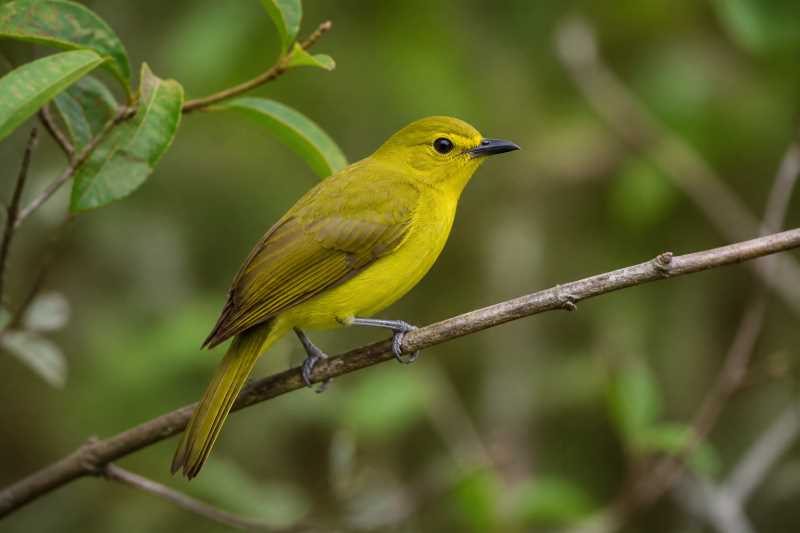
The Yellow-browed Bulbul is notable for its striking yellow plumage, which serves as a delightful contrast against the verdant backgrounds of its natural habitat. It measures approximately 18 centimeters in length, with a wingspan that provides a graceful flight. The bird’s most distinguishing feature is the prominent yellow stripe above its eyes, giving it the "yellow-browed" moniker. This feature is complemented by its olive-green back and wings, a pale underbelly, and a short, slightly hooked bill designed for its varied diet.
One cannot overlook the bird’s deep, expressive eyes that add to its charismatic appearance. The feathers are soft and well-suited for the warm, humid climates of its habitat, allowing for efficient thermoregulation. Its tail is relatively short but fanned during flight, aiding in maneuverability through dense foliage.
Habitat and Distribution
Acritillas indica primarily inhabits the dense, moist forests of the Western Ghats, Eastern Ghats, and parts of Sri Lanka. These regions provide the perfect blend of climate and vegetation, supporting a rich ecosystem where the Yellow-browed Bulbul thrives. The bird favors altitudes up to 1,500 meters, where it can be found flitting through the mid-canopy layers of evergreen and semi-evergreen forests.
Its preference for such habitats is largely due to the abundance of food sources and nesting sites. The dense foliage offers protection from predators and supports a diverse array of insects, fruits, and seeds that constitute the bird’s diet. Despite being primarily found in forests, the Yellow-browed Bulbul is also known to visit plantations and gardens, adapting to human-altered landscapes.
Diet and Feeding Behavior
The Yellow-browed Bulbul’s diet is omnivorous, consisting of fruits, berries, nectar, and insects. This varied diet not only supports its energetic lifestyle but also plays a role in seed dispersal, contributing to the ecological balance of its habitat. The bird is often seen foraging in small groups, engaging in acrobatic displays as it picks insects off leaves or plucks fruit from branches.
Their feeding behavior is characterized by a distinctive method of hopping from branch to branch, often accompanied by a series of rapid wing flicks. This behavior is not only efficient for feeding but also serves as a mechanism to flush out insects hiding in the foliage.
Vocalizations and Communication
The Yellow-browed Bulbul is known for its melodious and varied vocalizations. Its calls are an essential aspect of its social behavior, used for communication within flocks and during mating rituals. The bird’s song is a series of clear, whistled notes that vary in pitch and duration, often described as cheerful and energetic.
These calls are not only a delight to the human ear but serve critical functions in the avian community, such as establishing territory, attracting mates, and signaling alarm in the presence of predators. The Yellow-browed Bulbul’s vocal repertoire is a testament to its adaptability and intelligence, allowing it to thrive in diverse environments.
Breeding and Lifecycle
The breeding season of the Yellow-browed Bulbul typically aligns with the monsoon, providing ample food and ideal conditions for raising young. The bird constructs a cup-shaped nest using twigs, leaves, and fibers, strategically placed in dense foliage to provide concealment from predators.
A typical clutch consists of two to three eggs, which are incubated by both parents. The cooperative nature of parenting extends beyond incubation, as both male and female bulbuls participate in feeding the chicks. The young fledge within two to three weeks, although they remain dependent on their parents for some time thereafter.
Conservation Status
Currently, the Yellow-browed Bulbul is listed as a species of "Least Concern" by the International Union for Conservation of Nature (IUCN). Despite this status, habitat destruction and deforestation pose significant threats to its natural environment. Conservation efforts are crucial to ensure the continued survival of this vibrant species and the ecological health of its habitat.
Efforts such as habitat restoration, legal protection of forests, and community awareness programs are vital to safeguarding the future of the Yellow-browed Bulbul. Bird watchers and conservationists continue to monitor populations, advocating for sustainable practices that protect the rich biodiversity of the Indian subcontinent.
Conclusion
The Yellow-browed Bulbul is a remarkable example of the avian diversity found in the Indian subcontinent. Its vibrant appearance, dynamic behaviors, and melodious calls make it a favorite among bird enthusiasts and a vital component of its ecosystem. Protecting this species and its habitat is imperative for maintaining the ecological balance and natural heritage of the region.
As we continue to study and appreciate the Yellow-browed Bulbul, we are reminded of the intricate connections that bind all living creatures and the responsibility we share in preserving these natural wonders for future generations.
Related posts