The Negros Fruit Dove: Rediscovering a Lost Avian Gem
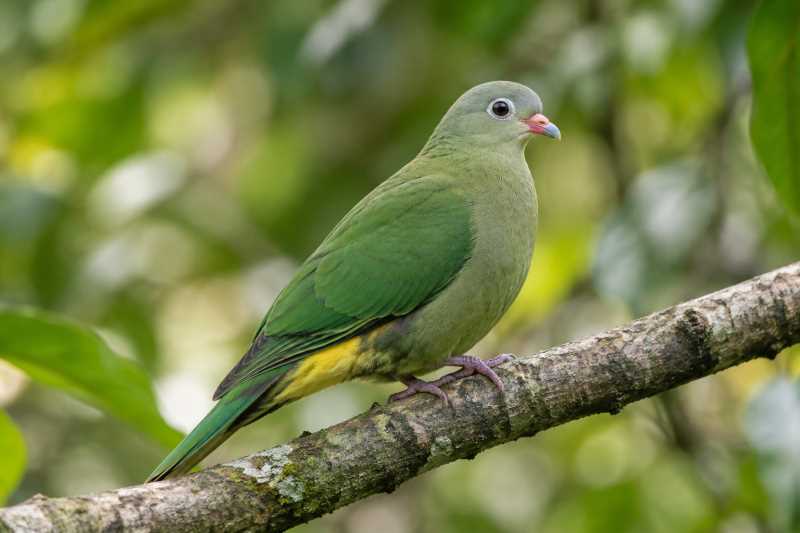
In the lush tapestry of the Philippine archipelago’s biodiversity, the Negros Fruit Dove (Ptilinopus arcanus) stands as a poignant emblem of both natural wonder and the urgent call for conservation. This elusive bird, with its vibrant plumage and mysterious past, captivates ornithologists and conservationists alike.
A Brief Encounter
The Negros Fruit Dove was first—and only—documented in 1953 on the island of Negros, part of the Visayas group in the central Philippines. The sighting was a fleeting glimpse into the avian diversity of the region, and since then, the bird has eluded ornithologists, earning its status as one of the world’s most enigmatic birds.
The initial discovery was made by a team led by the renowned British ornithologist, Kenneth C. Parkes, who collected a single specimen. This male dove, with its vivid green and yellow feathers, has since become a symbol of lost biodiversity. The absence of further sightings or specimens has cast a shadow of mystery over the species, leading some to fear it might be extinct.
Habitat and Ecology
The Negros Fruit Dove is believed to have inhabited the dense, humid forests of Negros Island, a habitat rich in fruit-bearing trees that would have provided ample sustenance. Like other members of the Ptilinopus genus, it is assumed that this dove played a crucial role in seed dispersal, aiding in the maintenance of the forest ecosystem.
Negros Island itself is a biodiversity hotspot, home to many endemic species. However, rampant deforestation and habitat destruction have severely impacted the region’s flora and fauna. The loss of forest cover on Negros has been catastrophic, with only a small fraction of original forest remaining, primarily in fragmented patches that are insufficient to support the diverse life forms that once thrived there.
The Quest for Rediscovery
Ornithologists and bird watchers have long been on a quest to rediscover the Negros Fruit Dove. Despite numerous expeditions and surveys, the bird has remained elusive, with no confirmed sightings in the decades following its initial discovery. This continued absence has made the Negros Fruit Dove a priority for conservationists, who hold onto hope that small populations might still exist in unexplored pockets of the island’s forests.
The search for the Negros Fruit Dove is emblematic of the broader struggles faced by conservationists working to protect the Philippines’ unique biodiversity. The challenges are immense, with illegal logging, agricultural expansion, and mining activities posing constant threats to the remaining habitats.
Conservation Efforts
Efforts to protect the Negros Fruit Dove and its habitat are part of larger conservation initiatives aimed at preserving the rich biodiversity of the Philippines. Organizations like the Philippine Biodiversity Conservation Foundation are actively involved in habitat restoration projects, reforestation efforts, and community education programs designed to foster a sustainable coexistence between humans and wildlife.
One of the key strategies has been the establishment of protected areas and wildlife sanctuaries. These initiatives not only aim to safeguard habitats but also serve as crucial research sites where scientists can study the flora and fauna, including any elusive species that might emerge from the shadows.
Moreover, community involvement is essential. Encouraging local communities to participate in conservation efforts can lead to more sustainable practices and greater awareness of the importance of preserving biodiversity. Eco-tourism, for example, provides an economic incentive to protect natural habitats, turning pristine forests into valuable assets for local economies.
A Symbol of Hope
The story of the Negros Fruit Dove is more than just a tale of a missing bird; it is a narrative that underscores the fragility and resilience of nature. It highlights the delicate balance required to maintain biodiversity and the profound impact humans have on their environment.
The hope remains that one day the Negros Fruit Dove will be rediscovered, serving as a beacon of success in the ongoing battle for conservation. Until then, it inspires efforts to protect what remains of the world’s natural heritage, reminding us of the wonders that may still be waiting in the unexplored corners of our planet.
In conclusion, the Negros Fruit Dove symbolizes both the mysteries of nature and the urgent need to preserve it. Its story is a call to action, urging us to protect the world’s biodiversity for future generations, ensuring that the vibrant colors and songs of species like the Negros Fruit Dove continue to enrich our world.
Related posts