Introduction
The Philippine Forest Roundleaf Bat, scientifically known as Hipposideros obscurus, is a fascinating and lesser-known species of bat endemic to the Philippines. These bats are a crucial part of the ecosystem, contributing to insect control and pollination. Despite their importance, they remain relatively understudied compared to other bat species. This article delves into the various aspects of the Philippine Forest Roundleaf Bat, including its physical characteristics, habitat, behavior, and conservation status.
Physical Description
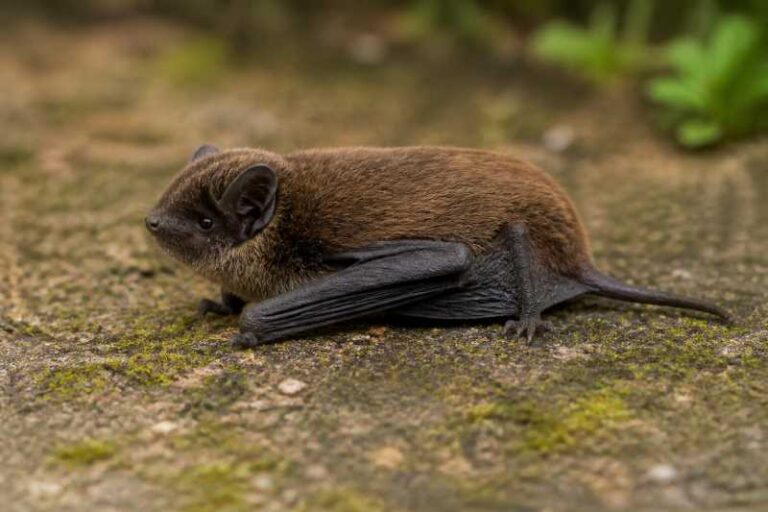
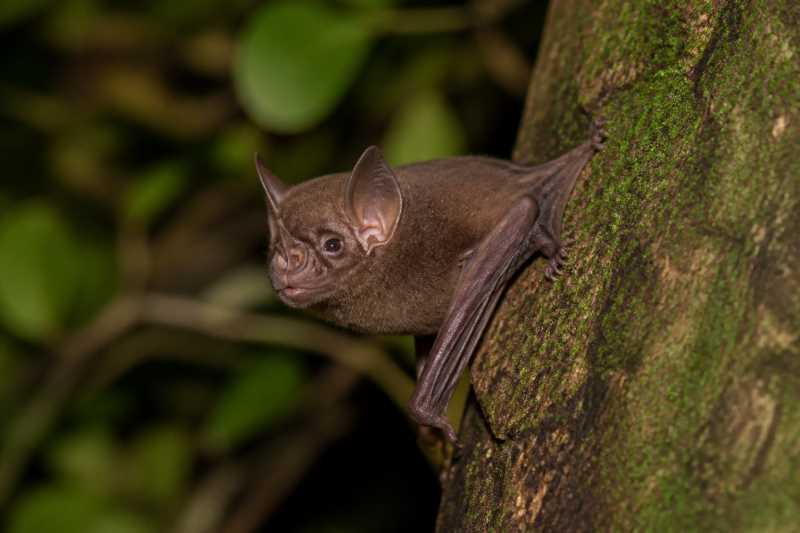
The Philippine Forest Roundleaf Bat is a small to medium-sized bat characterized by its distinct round noseleaf, which is a key feature of the Hipposideridae family. The noseleaf is crucial for echolocation, allowing the bat to navigate and hunt effectively in the dark. The bats have a forearm length ranging from 42 to 50 mm and weigh between 5 to 9 grams. Their fur is generally dark brown or reddish-brown, providing excellent camouflage in their forest habitats. The wings are long and narrow, adapted for agile flight through dense vegetation.
Range and Habitat
This species is endemic to the Philippines, inhabiting a range of forested environments across several islands, including Luzon, Mindanao, and Samar. They are primarily found in lowland and montane forests, often roosting in caves, hollow trees, and other secluded areas that provide protection from predators and environmental extremes. The bats prefer habitats that offer a rich diversity of insect prey and ample roosting sites.
Behavior and Diet
Philippine Forest Roundleaf Bats are nocturnal, emerging at dusk to forage for food. Their diet mainly consists of insects, including moths, beetles, and other small arthropods. They are insectivorous, using echolocation to detect and capture prey during flight. These bats are known for their agile flying abilities, allowing them to navigate through dense forests with ease. Socially, they may roost in small to medium-sized colonies, which provides advantages such as increased thermoregulation and reduced predation risk.
Identification Tips (field recognition cues)
Identifying the Philippine Forest Roundleaf Bat in the field involves looking for specific characteristics. Note the following field recognition cues:
- Noseleaf Shape: Look for the distinctive round noseleaf, which is unique among bats in the Hipposideridae family.
- Fur Color: Observe the bat’s fur, which is typically dark brown or reddish-brown.
- Wing Structure: Long, narrow wings that are suited for rapid, agile flight through forests.
- Size: Small to medium size with a forearm length of 42 to 50 mm.
Conservation Status (with threats and protections)
The conservation status of the Philippine Forest Roundleaf Bat is currently listed as "Least Concern" by the International Union for Conservation of Nature (IUCN). However, like many other species, it faces several threats that could impact its populations in the future. Key threats include habitat loss due to deforestation, mining, and agricultural expansion. Additionally, disturbances to roosting sites from human activities pose significant risks. Conservation measures include habitat protection, establishing protected areas, and promoting awareness about the ecological role of bats.
Frequently Asked Questions
1. What is the diet of the Philippine Forest Roundleaf Bat? The Philippine Forest Roundleaf Bat primarily feeds on insects, utilizing echolocation to hunt for moths, beetles, and other arthropods during its nocturnal foraging activities.
2. How does the Philippine Forest Roundleaf Bat contribute to the ecosystem? These bats play a crucial role in insect population control, helping to maintain ecological balance. They also aid in pollination and seed dispersal, contributing to forest health and regeneration.
3. What are the main threats to the Philippine Forest Roundleaf Bat? The primary threats include habitat destruction due to deforestation, mining, and agricultural development, as well as disturbances to their natural roosting sites.
4. Where can the Philippine Forest Roundleaf Bat be found? This bat species is endemic to the Philippines, residing in lowland and montane forests across islands such as Luzon, Mindanao, and Samar.
5. How can one identify the Philippine Forest Roundleaf Bat in the wild? Key identification features include a distinctive round noseleaf, dark brown or reddish-brown fur, and long narrow wings suitable for agile forest flight.
Related posts