Introduction
The White-winged Warbler, scientifically known as Xenoligea montana, is a captivating bird species endemic to the mountainous regions of the Caribbean, particularly the island of Hispaniola. Known for its striking plumage and melodious song, this bird has fascinated ornithologists and bird enthusiasts alike. This article delves into the various aspects of the White-winged Warbler, from its physical characteristics and habitat to its behavior and conservation status.
Physical Characteristics
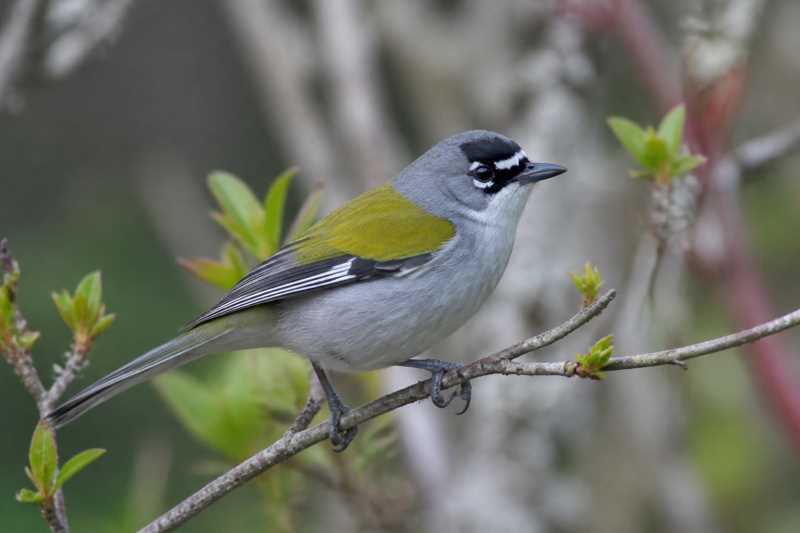
The White-winged Warbler is a small passerine bird, measuring approximately 12 to 13 centimeters in length. Its most distinctive feature is its vibrant plumage, which includes a combination of olive-green and grayish hues. The wings display bold white patches, which are particularly noticeable in flight, giving the species its common name. The bird’s underparts are generally lighter, with a subtle yellow wash on the belly. The White-winged Warbler also possesses a slender bill and a relatively long tail, which aid in its foraging activities.
Habitat and Distribution
This species is primarily found in the high-altitude forests of Hispaniola, thriving in both broadleaf and pine forests. The White-winged Warbler prefers dense, humid environments where it can forage for insects and other small invertebrates. Its range is limited to the mountainous regions, typically above 800 meters in elevation. This specific habitat requirement makes the species vulnerable to habitat loss due to deforestation and land-use changes.
Behavior and Diet
The White-winged Warbler is an active forager, often seen flitting through the forest canopy in search of food. Its diet primarily consists of insects, spiders, and small arthropods, which it gleans from leaves and bark. The bird’s feeding habits play a crucial role in controlling insect populations, thereby contributing to the ecological balance of its habitat.
In terms of social behavior, the White-winged Warbler is generally solitary or found in pairs, especially during the breeding season. Its song is a series of melodious whistles and trills, which it uses to communicate with mates and establish territory. The breeding season typically occurs from March to June, during which the birds construct cup-shaped nests in dense foliage.
Conservation Status
The White-winged Warbler is currently classified as Vulnerable on the IUCN Red List. The primary threat to its survival is habitat destruction, driven by logging, agriculture, and urban development. Efforts to conserve its habitat are crucial to ensuring the survival of this species. Conservation initiatives are focused on protecting the remaining forest areas and promoting reforestation projects.
Importance in Ecosystem
As an insectivore, the White-winged Warbler plays an important role in maintaining the health of its forest ecosystem. By controlling insect populations, it helps prevent outbreaks that could damage vegetation. Moreover, its presence indicates a healthy, biodiverse environment, as it is sensitive to changes in habitat quality.
Observation and Study
For bird watchers and researchers, observing the White-winged Warbler requires patience and a keen eye, as its subtle plumage can blend into the forest backdrop. However, its distinctive song can be a helpful guide. The study of this species provides valuable insights into the ecological dynamics of Caribbean mountain forests and highlights the importance of preserving such unique habitats.
Conclusion
The White-winged Warbler (Xenoligea montana) is a remarkable species that exemplifies the rich biodiversity of the Caribbean mountains. Its striking appearance and ecological significance make it an important subject of study and conservation. Protecting its habitat is not only crucial for the survival of the species but also for the health of the entire ecosystem it inhabits. As conservation efforts continue, understanding and appreciating the White-winged Warbler’s role in nature will inspire further action to preserve these vital environments.
References
- BirdLife International. (2023). Xenoligea montana. The IUCN Red List of Threatened Species.
- Latta, S. C., & Rimmer, C. C. (2005). Birds of the Dominican Republic and Haiti. Princeton University Press.
- Sibley, D. A. (2014). The Sibley Guide to Birds. Alfred A. Knopf, Inc.
Author Bio
[Author Name] is a dedicated ornithologist with over 15 years of experience studying bird species in the Caribbean. As an advocate for conservation, [he/she/they] is committed to raising awareness about the critical need to protect avian habitats.
Related posts