Cinnamon Red Bat (Lasiurus varius): A Comprehensive Guide
Introduction
The Cinnamon Red Bat (Lasiurus varius) is a fascinating and lesser-known species of bat that captivates both scientists and nature enthusiasts alike. Known for its striking coloration and elusive nature, this bat is a remarkable example of the biodiversity within the Chiroptera order. This article delves into the intricate details of the Cinnamon Red Bat, exploring its physical characteristics, habitat, behaviors, and conservation status.
Physical Description
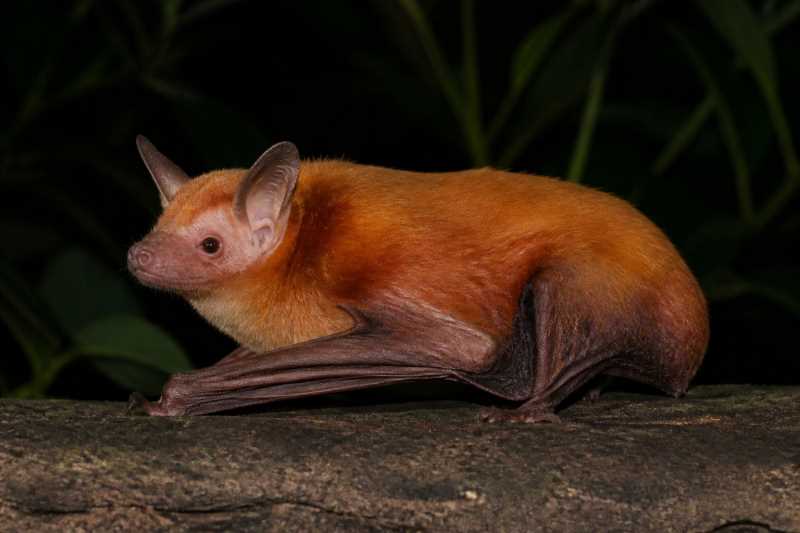
The Cinnamon Red Bat is distinguished by its unique reddish-brown fur, which gives it the "cinnamon" moniker. This vibrant hue is complemented by a lighter, often white, underbelly, providing excellent camouflage against the bark and foliage of its natural habitat. Adults typically weigh between 8 to 15 grams, with a wingspan ranging from 25 to 30 centimeters. This medium-sized bat has long, narrow wings, adapted for agile flight, and a robust body that supports its nocturnal lifestyle.
The ears of the Cinnamon Red Bat are relatively short and rounded, aiding in its highly developed echolocation abilities. Its eyes, although small, are well-adapted for low-light conditions, enhancing its night vision. The tail is partially enclosed within the uropatagium, a membrane that stretches between the bat’s hind legs, aiding in maneuverability and flight control.
Range and Habitat
Lasiurus varius is primarily found in the subtropical and tropical regions of Central and South America. Its range extends from southern Mexico through Brazil and into parts of northern Argentina. Within these regions, the Cinnamon Red Bat favors diverse habitats, including deciduous and evergreen forests, as well as woodland edges and clearings.
This species is highly adaptable, often roosting in tree foliage, under bark, or in dense shrubbery. The bat’s preference for roosting in tree canopies offers protection from predators and proximity to food sources. Seasonal migrations are also observed, with individuals moving to warmer areas during colder months to maintain a stable body temperature and continue foraging.
Behavior and Diet
The Cinnamon Red Bat is predominantly nocturnal, emerging at dusk to begin its nightly foraging activities. Its diet primarily consists of a variety of insects, including moths, beetles, and flies, which it skillfully captures mid-flight using its acute echolocation abilities.
Social behavior in this species is characterized by solitary roosting, although small groups may form during migration or in areas with abundant food resources. Breeding occurs once a year, with females giving birth to a litter of one to three pups. The young are typically born in late spring or early summer, a time when food resources are plentiful.
Identification Tips (field recognition cues)
Identifying the Cinnamon Red Bat in the wild can be challenging due to its elusive nature and nocturnal habits. However, there are several key characteristics to look for:
- Coloration: The most distinctive feature is its reddish-brown fur, which can appear almost cinnamon in certain lighting.
- Size and Shape: Look for a medium-sized bat with a wingspan of 25 to 30 centimeters, long narrow wings, and a robust body.
- Flight Pattern: Lasiurus varius exhibits agile and erratic flight patterns, a behavior common among insectivorous bats.
- Roosting Habits: During the day, it may be found roosting in tree foliage or under bark.
Conservation Status (with threats and protections)
Currently, the Cinnamon Red Bat is not listed as threatened or endangered, but like many other bat species, it faces several environmental threats. Habitat destruction due to deforestation and agricultural expansion poses the most significant risk, reducing available roosting sites and food sources.
Additionally, climate change may affect the bat’s migratory patterns and habitat suitability. Pesticide use also poses a threat, as it reduces insect populations, the primary food source for these bats.
Conservation efforts are focused on habitat preservation and restoration, as well as increasing public awareness about the ecological importance of bats. Protected areas and national parks within its range play a crucial role in safeguarding its habitat. Further research is needed to monitor population trends and assess the full impact of environmental changes on this species.
Frequently Asked Questions
What does the Cinnamon Red Bat eat?
The Cinnamon Red Bat primarily feeds on insects, including moths, beetles, and flies. It uses echolocation to locate and capture prey during its nocturnal foraging.
Where can I find the Cinnamon Red Bat?
This species is found in subtropical and tropical regions of Central and South America, from southern Mexico to northern Argentina, favoring forested habitats.
How can I identify a Cinnamon Red Bat in the wild?
Look for its distinctive reddish-brown fur, medium size, and agile flight patterns. It typically roosts in tree foliage or under bark during the day.
Are Cinnamon Red Bats endangered?
Currently, the Cinnamon Red Bat is not listed as endangered, but it faces threats from habitat destruction and pesticide use. Conservation efforts focus on habitat preservation.
How does climate change affect the Cinnamon Red Bat?
Climate change can impact the bat’s migratory patterns and habitat suitability, potentially altering food availability and roosting conditions.
Related posts