De Winton’s Long-eared Serotine (Laephotis wintoni): An In-depth Exploration
Introduction
De Winton’s Long-eared Serotine, scientifically known as Laephotis wintoni, is a captivating species of bat belonging to the family Vespertilionidae. This enigmatic mammal is primarily recognized for its distinctively long ears and agile flying capabilities. Discovered in the early 20th century, it inhabits various regions across Africa, where it plays a crucial role in maintaining ecological balance by controlling insect populations. This comprehensive article delves into the physical characteristics, habitat, behavior, and conservation status of De Winton’s Long-eared Serotine, providing valuable insights for bat enthusiasts and researchers alike.
Physical Description
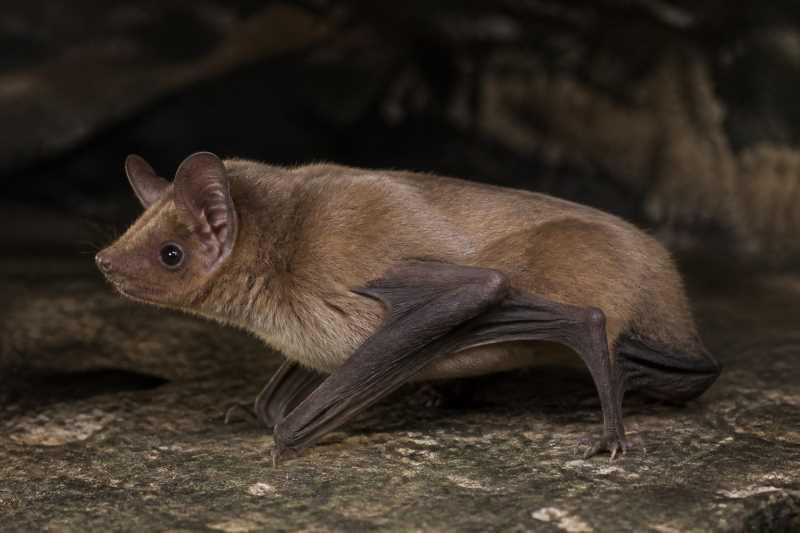
The De Winton’s Long-eared Serotine is easily distinguishable by its exceptionally long ears, which measure approximately 27 to 32 mm in length, significantly longer than those of many other bat species. These elongated ears are not merely for show; they play a vital role in the bat’s echolocation abilities, allowing it to detect prey with remarkable precision.
The bat’s body is relatively small, with an overall length of about 90 to 105 mm, and it weighs between 10 to 15 grams. Its fur is typically a blend of brown and gray tones, providing effective camouflage against tree bark and rocky outcrops. The fur is short and dense, offering insulation during cooler nights.
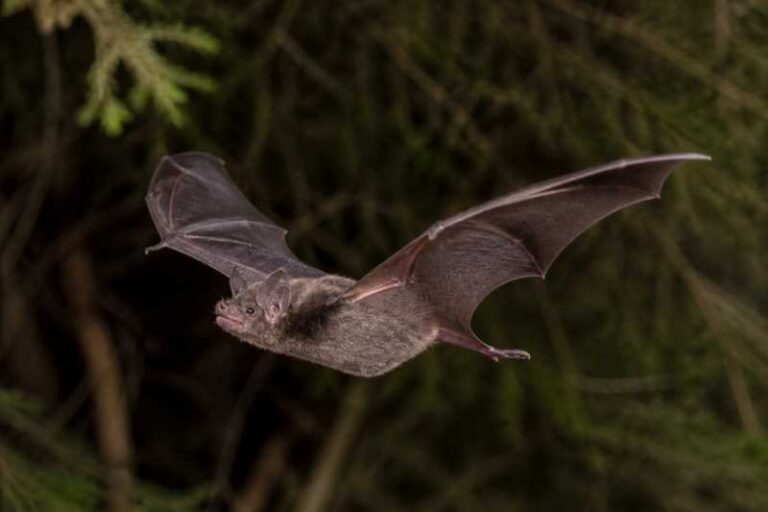
One of the unique features of this species is its wing structure. The wings are long and narrow, with a wingspan ranging from 260 to 280 mm. This adaptation enables the bat to perform agile maneuvers in flight, particularly in dense forest environments.
Range and Habitat
De Winton’s Long-eared Serotine is native to several African countries, including Zimbabwe, Zambia, and South Africa. It thrives in a variety of habitats, ranging from savannas and open woodlands to montane forests and grasslands. The species is particularly fond of regions with abundant insect populations, as these areas provide ample feeding opportunities.
This bat species is adaptable to different environmental conditions and is often found roosting in tree hollows, crevices, and abandoned buildings. It is a nocturnal creature, emerging at dusk to forage and returning to its roost before dawn.
Behavior and Diet
The behavior of De Winton’s Long-eared Serotine is fascinating, characterized by its nocturnal foraging habits and social roosting behavior. It primarily feeds on insects, including beetles, moths, and flies, which it captures mid-flight using its acute echolocation abilities. The bat’s diet plays a pivotal role in controlling insect populations, thereby benefiting agricultural communities by reducing pest-related damage.
These bats are social animals, often roosting in colonies that can number from a few individuals to several dozen. Roosting in groups offers protection from predators and environmental stressors. During the breeding season, females often form maternity colonies where they give birth and rear their young.
Identification Tips (Field Recognition Cues)
Identifying De Winton’s Long-eared Serotine in the field requires keen observation and attention to specific features:
- Ears: The most distinctive feature is the long ears, which are significantly longer than those of other local bat species.
- Size: Look for a small-sized bat with a body length of 90 to 105 mm and a wingspan of 260 to 280 mm.
- Fur Color: Note the brown and gray hues of the fur, which help the bat blend into its surroundings.
- Flight Pattern: Observe the agile and erratic flight patterns, typical of bats hunting for insects.
Conservation Status (with Threats and Protections)
The conservation status of De Winton’s Long-eared Serotine is currently classified as "Data Deficient" by the International Union for Conservation of Nature (IUCN). This classification indicates a lack of comprehensive data on population trends, distribution, and threats.
Threats
- Habitat Destruction: Deforestation and land conversion for agriculture pose significant threats to the bat’s natural habitat.
- Pesticide Use: The widespread use of pesticides can reduce insect populations, impacting the bat’s food supply and potentially leading to poisoning.
- Climate Change: Alterations in climate patterns can affect the availability of prey and suitable roosting sites.
Protections
Efforts to conserve De Winton’s Long-eared Serotine focus on habitat preservation and public awareness. Protected areas and national parks play a crucial role in safeguarding the bat’s habitat. Additionally, promoting sustainable agricultural practices can help maintain healthy insect populations.
Frequently Asked Questions
1. What is the primary diet of De Winton’s Long-eared Serotine?
De Winton’s Long-eared Serotine primarily feeds on flying insects such as beetles, moths, and flies. Its diet is essential for controlling insect populations and supporting agricultural activities by reducing pest-related damage.
2. Where can De Winton’s Long-eared Serotine be found?
This bat species is native to several African countries, including Zimbabwe, Zambia, and South Africa. It inhabits diverse environments, from savannas to montane forests.
3. How can you identify De Winton’s Long-eared Serotine in the wild?
Look for its long ears, small body size, and brownish-gray fur. Observing its agile flight pattern at dusk can also aid in identification.
4. What are the main threats to the survival of De Winton’s Long-eared Serotine?
The primary threats include habitat destruction, pesticide use, and climate change, all of which can impact their food supply and roosting sites.
5. What conservation measures are in place for De Winton’s Long-eared Serotine?
Conservation efforts focus on habitat preservation, protected areas, and promoting sustainable agricultural practices to maintain healthy insect populations.
Related posts