Introduction
Arguedas’s Grass Mouse, scientifically known as Akodon josemariarguedasi, is a small rodent species belonging to the family Cricetidae. This intriguing mammal is native to specific regions in South America and has garnered attention due to its unique characteristics and ecological significance. This article delves into the physical attributes, habitat, behavior, and conservation status of this lesser-known species, providing a comprehensive overview for researchers, wildlife enthusiasts, and conservationists.
Physical Description
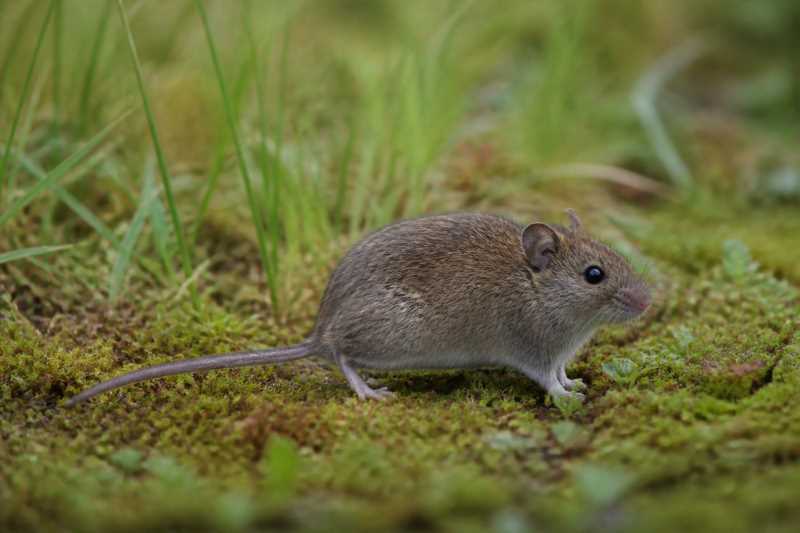
The Arguedas’s Grass Mouse is a small, agile rodent, characterized by its soft and dense fur, which typically displays a range of colors from gray to brown, aiding in its camouflage within its natural habitat. The species exhibits sexual dimorphism, with males generally being slightly larger than females. On average, these mice measure about 10 to 12 centimeters in body length, excluding their tail, which adds another 7 to 9 centimeters.
Their pointed snout and small, rounded ears are distinct features, complementing their keen sense of smell and hearing. The limbs are relatively short but strong, adapted for digging and quick movements across the terrain. The tail, covered with sparse hair, is used for balance and communication within their social groups.
Range and Habitat
Arguedas’s Grass Mouse is predominantly found in the Andean regions, thriving in grasslands and shrublands where vegetation provides ample cover from predators. These regions offer a temperate climate, with moderate rainfall, which supports a diverse ecosystem essential for their survival.
Their habitat selection is often influenced by the availability of food resources and shelter. They are known to inhabit areas with a dense undergrowth of grasses and shrubs, which not only offer protection but also serve as a rich source of food. Unfortunately, habitat fragmentation poses a significant threat to their natural environments, impacting their distribution and population density.
Behavior and Diet
Arguedas’s Grass Mouse is primarily nocturnal, exhibiting heightened activity during the twilight hours. Their behavior is largely influenced by the need to forage for food while avoiding predators. They are solitary creatures but display social behaviors during the breeding season.
Their diet consists mainly of seeds, fruits, and small invertebrates, making them important contributors to seed dispersion and pest control within their ecosystems. The ability to adapt their diet based on seasonal availability of food is a testament to their resilience and ecological role.
Identification Tips (Field Recognition Cues)
Identifying Arguedas’s Grass Mouse in the wild requires attention to specific traits:
- Fur Coloration: Look for the characteristic gray to brown fur that blends well with the grassland environment.
- Size and Shape: Note the small size, with a body length of 10 to 12 centimeters and a tail that adds another 7 to 9 centimeters.
- Facial Features: Observe the pointed snout and small, rounded ears, which are distinctive features of this species.
Field identification might be challenging due to their nocturnal habits and elusive nature, but these cues can aid in distinguishing them from similar rodent species.
Conservation Status (With Threats and Protections)
Currently, Arguedas’s Grass Mouse is not classified as endangered; however, it faces several threats that could impact its future survival. Habitat loss due to agricultural expansion, urbanization, and climate change are primary concerns.
Conservation efforts are focused on protecting their natural habitats and promoting sustainable land use practices. Researchers are also investigating the ecological role of this species to better understand its contributions to biodiversity and ecosystem health.
Frequently Asked Questions
Why is this species unique?
Arguedas’s Grass Mouse is unique due to its specialized habitat preferences in the Andean regions and its role in local ecosystems as both a seed disperser and a prey species for larger predators.
What does their diet consist of?
Their diet primarily includes seeds, fruits, and small invertebrates. This varied diet allows them to adapt to changing environmental conditions and food availability.
How does habitat loss affect them?
Habitat loss leads to reduced food resources and shelter, increasing their vulnerability to predators and environmental changes, which can result in population decline.
Are there any conservation measures in place?
Conservation measures include habitat protection, sustainable land use practices, and research initiatives aimed at understanding their ecological role and promoting biodiversity.
Related posts