Introduction
The Unicolored Tree-rat, scientifically known as Phyllomys unicolor, is a fascinating member of the rodent family, endemic to the lush forests of South America. This unique species is characterized by its arboreal lifestyle, spending the majority of its life in the treetops. With deforestation posing a significant threat to its natural habitat, understanding this species becomes crucial for conservation efforts. Despite being lesser-known compared to other mammals, the Unicolored Tree-rat plays a vital role in its ecosystem.
Physical Description
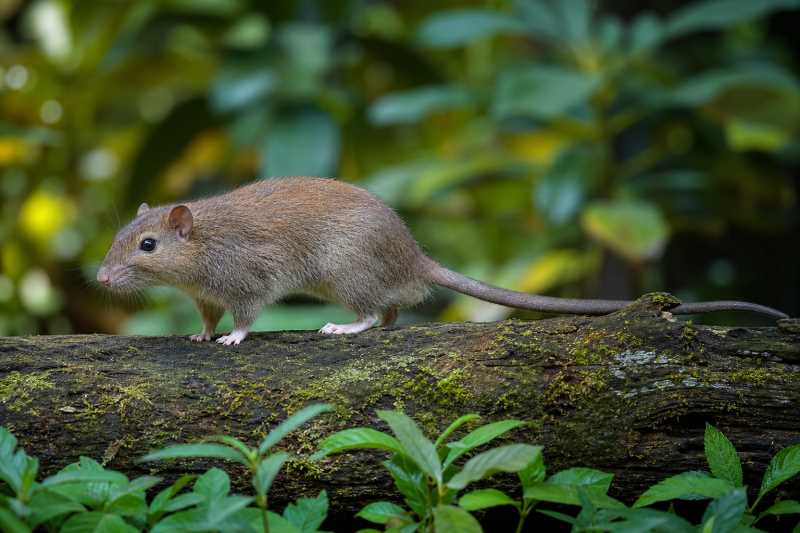
The Unicolored Tree-rat exhibits several distinct physical features. It has a medium-sized body, typically ranging from 20 to 30 centimeters in length, excluding its long, bushy tail, which adds an additional 15 to 20 centimeters. Its fur is predominantly a single, uniform color, usually a shade of brown or grey, which aids in camouflage among the tree bark and leaves. The species has large, round eyes adapted for nocturnal activity, and its sharp claws are perfectly designed for climbing.
Range and Habitat
Phyllomys unicolor is primarily found in the Atlantic Forest of Brazil, a biodiversity hotspot that provides a rich environment for this arboreal rodent. The species is highly dependent on dense forest canopies, where it finds food and shelter. These forests offer a complex structure of trees, vines, and foliage that the Unicolored Tree-rat navigates with ease. However, the ongoing deforestation in these regions poses a significant threat, fragmenting habitats and isolating populations.
Behavior and Diet
The Unicolored Tree-rat is predominantly nocturnal, foraging at night when predators are less active. Its diet mainly consists of fruits, seeds, and occasionally small insects, which it finds in the canopy. This diet makes it an important seed disperser, contributing to forest regeneration. Socially, the species tends to be solitary, except during mating seasons when brief interactions occur. The Unicolored Tree-rat communicates through a series of vocalizations and scent markings.
Identification Tips (Field Recognition Cues)
Identifying the Unicolored Tree-rat in the wild can be challenging due to its elusive nature. Observers should look for its distinctive fur color and bushy tail, as well as its preference for high branches. Listening for rustling in the treetops at night can also be a useful cue. Due to its nocturnal habits, a night-time field survey with appropriate lighting might increase chances of sighting.
Conservation Status (With Threats and Protections)
The Unicolored Tree-rat is currently listed as Near Threatened by the IUCN Red List due to its declining habitat caused by deforestation. Agricultural expansion, logging, and urbanization are primary factors contributing to habitat loss. Conservation efforts are focused on habitat protection and restoration. Protected areas and national parks within its range are crucial for its survival. Increased research and monitoring are needed to better understand population dynamics and implement effective conservation strategies.
Frequently Asked Questions
Why is this species unique?
The Unicolored Tree-rat is unique due to its arboreal lifestyle and specialized adaptations for living in high forest canopies. Its role as a seed disperser is crucial for maintaining the health and diversity of its habitat.
What are the main threats to its survival?
The primary threats include habitat destruction due to deforestation, agriculture, and urban development. These activities fragment and reduce the available habitat, leading to population declines.
How can we help conserve the Unicolored Tree-rat?
Supporting conservation initiatives that focus on habitat protection and restoration is vital. Raising awareness about the importance of biodiversity and sustainable practices can also contribute to conservation efforts.
What role does the Unicolored Tree-rat play in its ecosystem?
As a seed disperser, the Unicolored Tree-rat aids in forest regeneration, promoting plant diversity. This process helps maintain a balanced ecosystem, supporting various other species.
Where can I observe the Unicolored Tree-rat in the wild?
The best chance to observe Phyllomys unicolor is in the Atlantic Forest of Brazil, particularly in protected areas where its habitat is preserved. Night-time excursions with a guide may improve the likelihood of sightings.
Related posts