Greater Yellow-shouldered Bat (Sturnira magna): An In-Depth Exploration
Introduction
The Greater Yellow-shouldered Bat, scientifically known as Sturnira magna, is a fascinating mammalian species belonging to the family Phyllostomidae. This fruit bat is notable for its distinctive yellow shoulder patches, a feature that sets it apart from other bats. As a crucial player in seed dispersal, the Greater Yellow-shouldered Bat contributes significantly to the ecosystems it inhabits. This article delves into the various aspects of this remarkable species, including its physical characteristics, habitat preferences, and conservation status.
Physical Description
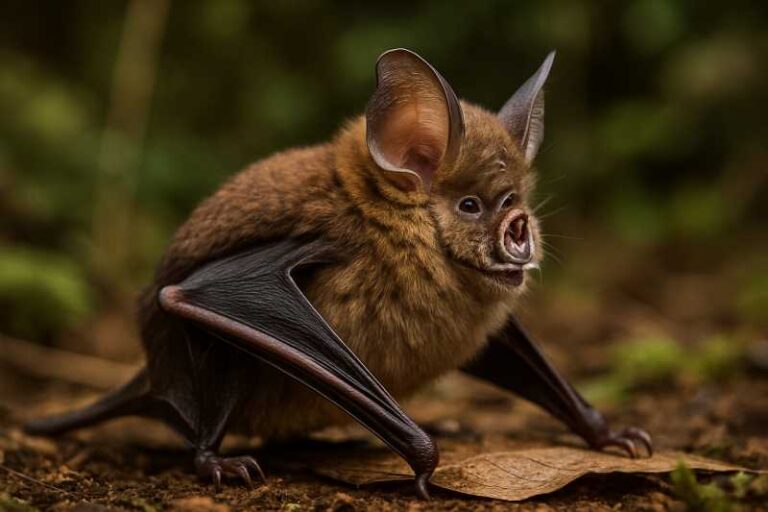
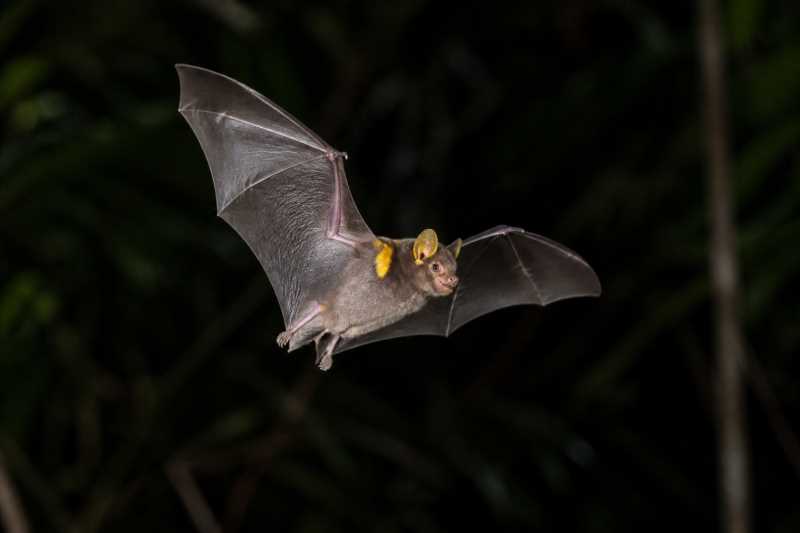
The Greater Yellow-shouldered Bat is a medium-sized bat, with an average wingspan ranging from 35 to 40 centimeters, and a body length of about 7 to 9 centimeters. Weighing between 25 to 35 grams, it is robust in build. Its most distinguishing feature is the vivid yellow patches located on its shoulders, which are particularly prominent in adult males. The rest of its body is covered in dark gray to brown fur, providing excellent camouflage in its natural habitat.
The bat’s face is adorned with a short, broad snout and large eyes that facilitate its nocturnal activities. Its ears are rounded and proportionate to its head, aiding in echolocation capabilities essential for navigation and foraging in the dark. The wings are long and narrow, supporting agile flight, which is crucial for maneuvering through dense forests.
Range and Habitat
The Greater Yellow-shouldered Bat is primarily found in Central and South America, with a range extending from Nicaragua to northern Colombia. It predominantly inhabits tropical and subtropical forests, thriving in both lowland and montane environments. This bat species prefers areas with abundant fruiting trees, which provide both food and shelter.
Despite its preference for dense forests, the Greater Yellow-shouldered Bat can adapt to secondary growth forests and agricultural landscapes, provided there is an adequate food supply. This adaptability is essential for its survival in regions undergoing deforestation and habitat alteration.
Behavior and Diet
The Greater Yellow-shouldered Bat is primarily frugivorous, with a diet consisting mainly of fruits from various plant species, including figs, guavas, and nightshades. It plays a critical role in seed dispersal, contributing to forest regeneration and plant diversity. Occasionally, the bat may supplement its diet with nectar and pollen, showcasing its versatility in food choices.
These bats are nocturnal and social creatures, often roosting in small groups during the day in tree hollows, caves, or abandoned buildings. At night, they emerge to forage, utilizing their keen sense of smell and echolocation to locate ripe fruits. The Greater Yellow-shouldered Bat is known for its long-distance foraging flights, sometimes traveling several kilometers in search of food.
Identification Tips (Field Recognition Cues)
For those interested in identifying the Greater Yellow-shouldered Bat in the field, there are several key features to look for:
- Shoulder Patches: The most striking identification feature is the bright yellow patches on the shoulders, especially noticeable in males.
- Size and Build: This bat is medium-sized with a robust, muscular build.
- Fur Color: Look for dark gray to brown fur, which helps it blend into the forest environment.
- Flight Pattern: Observe the bat’s agile and steady flight, characteristic of a species adapted to maneuvering through dense foliage.
- Roosting Habits: They often roost in small groups, so look for multiple individuals when exploring potential roost sites.
Conservation Status (with Threats and Protections)
The Greater Yellow-shouldered Bat is currently classified as Least Concern by the International Union for Conservation of Nature (IUCN). However, it faces several threats that could impact its populations in the future.
Threats
- Habitat Loss: Deforestation and habitat fragmentation due to agriculture, urban development, and logging are major threats to this bat species.
- Climate Change: Altered climate patterns can affect fruit availability, impacting food sources.
- Pesticide Use: Chemicals used in agriculture can harm bats directly or reduce the availability of fruits.
Protections
Efforts to conserve the Greater Yellow-shouldered Bat include protected areas that preserve critical habitats. Additionally, environmental education programs aim to raise awareness about the importance of bats in ecosystems. Supporting sustainable agricultural practices is also crucial in mitigating habitat loss and pesticide use.
Frequently Asked Questions
1. What is the primary diet of the Greater Yellow-shouldered Bat?
The Greater Yellow-shouldered Bat primarily feeds on fruits, such as figs and guavas, playing an essential role in seed dispersal. Occasionally, it may consume nectar and pollen.
2. Where can the Greater Yellow-shouldered Bat be found?
This bat species is native to Central and South America, ranging from Nicaragua to northern Colombia, primarily inhabiting tropical and subtropical forests.
3. How does the Greater Yellow-shouldered Bat contribute to its ecosystem?
As a frugivore, the bat aids in seed dispersal, promoting plant diversity and forest regeneration. Its role in pollination further supports ecosystem health.
4. What are the main threats to the Greater Yellow-shouldered Bat?
The primary threats include habitat loss due to deforestation, climate change affecting food availability, and pesticide use in agriculture.
5. How can we help conserve the Greater Yellow-shouldered Bat?
Conservation efforts include preserving habitats through protected areas, promoting sustainable agriculture, and educating the public about the ecological importance of bats.
Related posts