Introduction
The Chinese Highland Shrew (Sorex excelsus) is a fascinating small mammal that inhabits the high-altitude regions of China. This elusive species is a part of the Soricidae family, which comprises small, insectivorous mammals known for their high metabolism and secretive nature. Little is widely known about the Chinese Highland Shrew due to its secluded habitat and the challenges researchers face in studying it. However, understanding this species is crucial for biodiversity conservation, as it plays a significant role in its ecosystem.
Physical Description
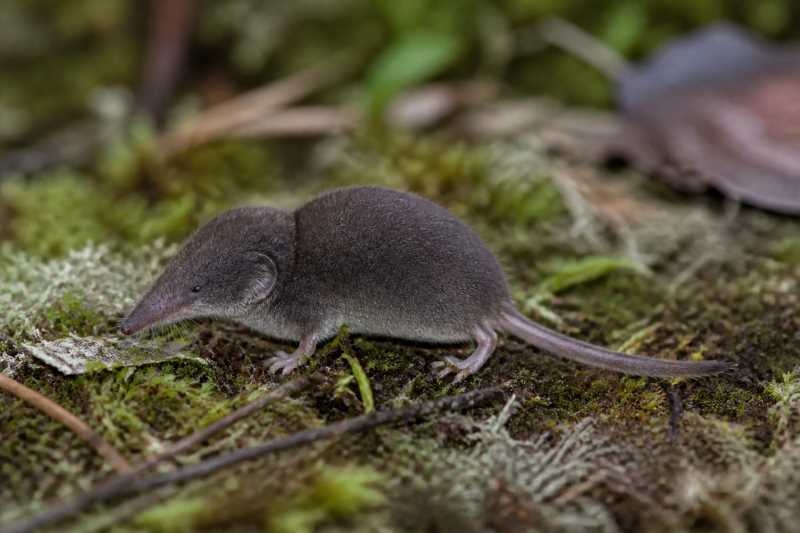
The Chinese Highland Shrew is a small mammal characterized by its elongated snout and small, beady eyes. Its body measures around 5 to 7 centimeters in length, with a tail that adds an additional 4 to 5 centimeters. The shrew’s fur is typically a dark brown or grayish color, providing excellent camouflage against the rocky and forested backgrounds of its habitat. Underneath, its belly is usually lighter, a common trait among many shrew species.
These shrews possess tiny yet sharp teeth, ideal for their insectivorous diet. Their limbs are short but well-suited for digging and navigating through their rugged environment. One of the most notable physical features is their pointed snout, which is highly sensitive and aids in locating prey. Despite their small size, Chinese Highland Shrews have a surprisingly high metabolic rate, which necessitates constant foraging and feeding.
Range and Habitat
The Chinese Highland Shrew is endemic to the mountainous regions of China, specifically thriving in high-altitude areas ranging from 1,500 to 4,000 meters above sea level. These regions include parts of the Tibetan Plateau and the surrounding mountainous territories. The shrews prefer moist, cool environments, often found in alpine meadows, coniferous forests, and shrublands. They are adept at living in areas with dense vegetation, which provides both food sources and protection from predators.
The shrew’s habitat is characterized by its rugged terrain, with rocky outcrops, lush undergrowth, and a cool climate that supports a diverse range of flora and fauna. These conditions not only offer ample foraging opportunities but also influence the shrew’s behavior and lifestyle. The availability of cover is essential for the shrew, helping it evade predators and maintain its high-energy lifestyle.
Behavior and Diet
Chinese Highland Shrews are primarily solitary creatures, with a nocturnal lifestyle that minimizes competition and predation. They are active foragers, constantly in search of food due to their high metabolic needs. Their diet primarily consists of insects, spiders, and other small invertebrates, which they locate using their keen sense of smell and touch.
The shrews exhibit a unique behavior known as "tunneling," where they create intricate networks of paths and burrows in the leaf litter and soil. This behavior not only aids in foraging but also provides shelter and a means of escaping from predators. The shrews are known for their rapid movements and agility, which are crucial for capturing prey and evading threats.
Identification Tips (Field Recognition Cues)
Identifying the Chinese Highland Shrew in the field requires attention to several key characteristics:
- Size and Shape: Look for a small mammal with a body length of 5-7 cm and a tail that adds another 4-5 cm. The elongated snout is a distinctive feature.
- Coloration: Note the dark brown or grayish fur that blends with the environment, with a lighter-colored underside.
- Behavior: Observe for rapid movements and solitary foraging behavior, often at night.
- Habitat: Focus on high-altitude regions with dense vegetation, as these are preferred habitats.
- Tracks and Signs: Look for small burrows and tunnels in the soil or leaf litter, indicative of shrew activity.
Conservation Status (with threats and protections)
The conservation status of the Chinese Highland Shrew is currently listed as "Least Concern" by the International Union for Conservation of Nature (IUCN). However, this status does not imply that the species is free from threats. The primary challenges facing the shrew include habitat loss and degradation due to human activities such as agriculture, logging, and infrastructure development.
Climate change poses an additional threat, as it can alter the delicate balance of the high-altitude ecosystems where the shrews reside. Changes in temperature and precipitation patterns could impact the availability of food and suitable habitats.
Conservation efforts for the Chinese Highland Shrew focus on habitat protection and monitoring. Protected areas and national parks in China play a crucial role in preserving the shrew’s habitat. Continued research and monitoring are essential to better understand the species’ ecology and to develop effective conservation strategies.
Frequently Asked Questions
1. What is the diet of the Chinese Highland Shrew?
The Chinese Highland Shrew primarily feeds on insects, spiders, and other small invertebrates. Their high metabolic rate requires them to forage frequently, and they rely on their keen sense of smell and touch to locate prey.
2. Where can the Chinese Highland Shrew be found?
This species is found in high-altitude regions of China, such as the Tibetan Plateau. They inhabit alpine meadows, coniferous forests, and shrublands, preferring moist, cool environments.
3. How do Chinese Highland Shrews avoid predators?
Chinese Highland Shrews use their agility and rapid movements to evade predators. They also create networks of tunnels and burrows in the leaf litter, which provide shelter and quick escape routes.
4. What are the main threats to the Chinese Highland Shrew?
The main threats include habitat loss due to human activities and climate change. These factors can lead to habitat degradation and impact food availability.
5. How can Chinese Highland Shrews be identified in the field?
Key identification cues include their small size, elongated snout, dark brown or grayish fur, and solitary, nocturnal behavior. Observing their preferred high-altitude habitats can also aid in identification.
Related posts