Aritana’s Brown Four-eyed Opossum (Metachirus aritanai)
Introduction
Aritana’s Brown Four-eyed Opossum, scientifically named Metachirus aritanai, is a fascinating marsupial species that has garnered attention due to its distinctive physical features and ecological significance. This species, recently described in scientific literature, is part of the Didelphidae family, which is commonly referred to as the New World opossums. These creatures play a crucial role in their ecosystems, contributing to seed dispersion and the control of insect populations. Understanding the unique characteristics and conservation needs of Metachirus aritanai is vital for preserving biodiversity in the regions they inhabit.
Physical Description
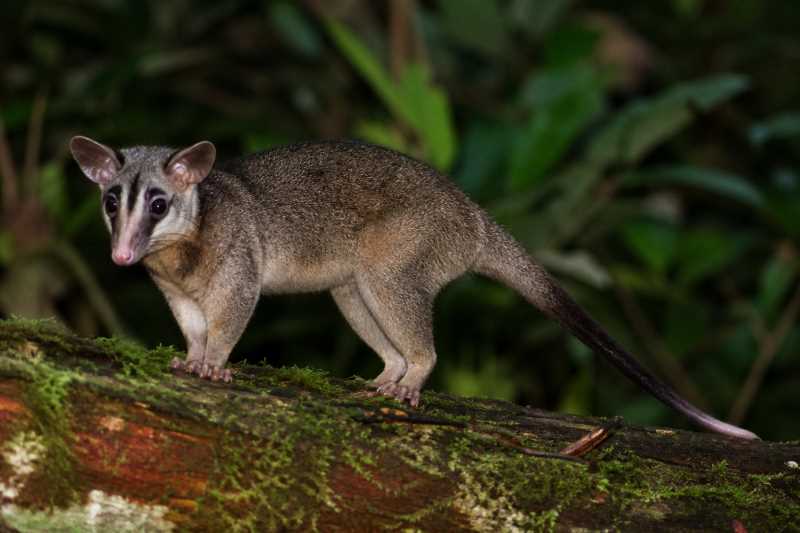
Metachirus aritanai exhibits several distinct physical traits that distinguish it from other opossum species. The most notable feature is its "four-eyed" appearance, which comes from the two prominent white spots located above each eye, giving the impression of four eyes. The body length of this species ranges from 25 to 35 centimeters, excluding the tail, which adds another 30 to 45 centimeters. The tail is prehensile, aiding in climbing and balance.
The fur of M. aritanai is a rich, brown color, providing excellent camouflage in their forested habitats. The underbelly is typically a lighter shade, ranging from cream to pale brown. The ears are large and rounded, contributing to their adept hearing abilities, while their sharp claws facilitate climbing and foraging.
Range and Habitat
Aritana’s Brown Four-eyed Opossum is primarily found in the tropical rainforests of South America, with a range that is thought to be restricted to certain regions of Brazil. Their habitat preferences include dense, humid forests where they can easily find food and shelter. These opossums are arboreal, spending much of their time in the tree canopy, which offers protection from predators and access to a diverse diet.
The species thrives in undisturbed, old-growth forests, although they have been observed in secondary forests as well. The presence of continuous tree cover is crucial for their survival, as it provides both a means of locomotion and a habitat rich in food resources.
Behavior and Diet
Metachirus aritanai is predominantly nocturnal, with peak activity occurring during the night. This nocturnal lifestyle helps them avoid predators and the heat of the day. They are solitary animals, only coming together for mating purposes. Their communication is primarily through vocalizations and scent markings.
The diet of Aritana’s Brown Four-eyed Opossum is omnivorous, consisting of fruits, insects, small vertebrates, and occasionally eggs. This varied diet helps maintain the ecological balance within their habitat, as they aid in seed dispersal and pest control. Their foraging behavior involves both the forest floor and the canopy, utilizing their climbing abilities to access various food sources.
Identification Tips (Field Recognition Cues)
Identifying Metachirus aritanai in the field requires attention to specific physical and behavioral characteristics:
- Distinctive Eye Spots: Look for the prominent white spots above each eye, a key feature distinguishing them from other opossums.
- Tail: Observe the long, prehensile tail, which is often used for balance and grasping while navigating the trees.
- Fur Color: Note the rich brown fur with a lighter underbelly, providing camouflage in the forest.
- Size and Shape: Their medium size and rounded ears can help differentiate them from other similar species.
- Behavior: Look for nocturnal activity and solitary behavior, often seen foraging in tree canopies at night.
Conservation Status (with Threats and Protections)
Currently, Aritana’s Brown Four-eyed Opossum is classified as a species of concern, primarily due to habitat loss and fragmentation. Deforestation for agriculture and urban development poses significant threats to their habitats. Additionally, climate change may further alter their environments, impacting food availability and habitat conditions.
Conservation efforts are focused on protecting their natural habitats through the establishment of protected areas and promoting sustainable land-use practices. Research is ongoing to better understand their population dynamics and ecological roles, which is essential for developing effective conservation strategies.
Frequently Asked Questions
What is the habitat of Aritana’s Brown Four-eyed Opossum?
Aritana’s Brown Four-eyed Opossum inhabits tropical rainforests in Brazil, favoring dense, humid environments with ample tree cover for shelter and foraging.
How can you identify Metachirus aritanai in the wild?
You can identify Metachirus aritanai by their distinctive white eye spots, rich brown fur, prehensile tail, and nocturnal behavior.
What do Aritana’s Brown Four-eyed Opossums eat?
They have an omnivorous diet, including fruits, insects, small vertebrates, and eggs, contributing to seed dispersal and pest control in their ecosystem.
Why is the conservation of Metachirus aritanai important?
Conserving Metachirus aritanai is crucial as they play a significant role in ecosystem balance, and their decline could disrupt local biodiversity and ecological functions.
What are the main threats to Aritana’s Brown Four-eyed Opossum?
The main threats include habitat loss due to deforestation, land development, and climate change, all of which impact their survival and habitat quality.
Related posts