Introduction
The Lower California Rice Rat, scientifically known as Oryzomys peninsulae, is a remarkable species of rodent that inhabits the Baja California Peninsula in Mexico. Despite its name, which suggests a close relation to rice, this species has adapted to a variety of habitats, offering fascinating insights into the resilience and versatility of rodents in diverse ecosystems. This article delves into the unique characteristics, habitat preferences, behaviors, and conservation status of the Lower California Rice Rat, providing a comprehensive overview for enthusiasts and researchers alike.
Physical Description
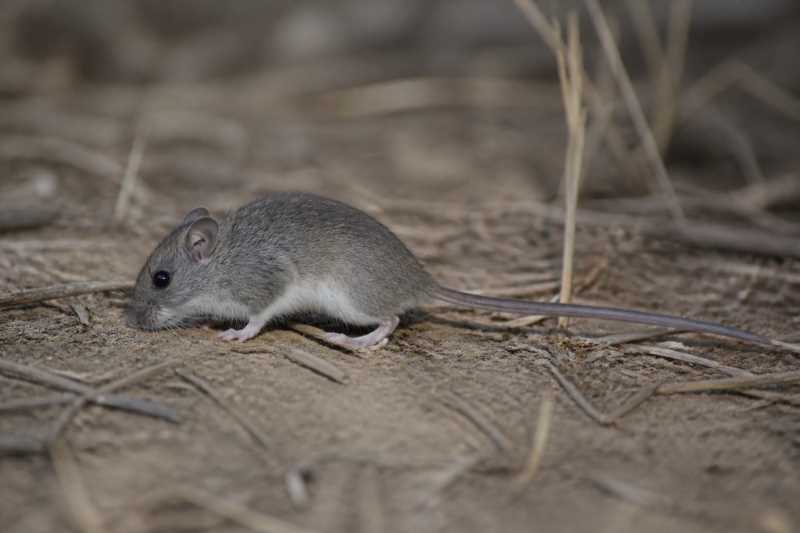
The Lower California Rice Rat is a medium-sized rodent characterized by its elongated body and distinctive fur coloration. Typically, these rats exhibit a dull grayish-brown coat that provides camouflage against the arid landscapes they inhabit. Their underbelly is often lighter, ranging from white to a pale gray, offering a subtle contrast to their dorsal coloring.
An adult Oryzomys peninsulae generally measures between 20 to 25 centimeters in total length, including the tail, which itself can be nearly as long as the body. The species possesses sharp claws and a keen sense of smell, adaptations that are crucial for foraging and escaping predators. Their ears are moderately sized, and their eyes are adapted for nocturnal activity, reflecting their crepuscular and nocturnal lifestyle.
Range and Habitat
The range of the Lower California Rice Rat is restricted to the Baja California Peninsula, an area known for its diverse and sometimes harsh environments. This region, which extends from the U.S.-Mexico border down to the tip of the peninsula, provides a variety of habitats ranging from coastal deserts to mountainous terrains.
Oryzomys peninsulae is often found near water sources such as streams, marshes, and wetlands, which are critical for their survival. These habitats not only provide necessary hydration but also offer abundant food sources and protection from predators. However, the ongoing changes in land use and climate have posed new challenges to their habitat, affecting their distribution and population dynamics.
Behavior and Diet
The Lower California Rice Rat is primarily nocturnal, which means it is most active during the night. This behavior likely evolved as a strategy to avoid daytime predators and to cope with the extreme temperatures of their arid habitats.
Their diet is omnivorous, consisting of a variety of plant materials, insects, and small aquatic organisms. They are known to forage along the edges of water bodies, using their acute sense of smell to detect food. The adaptability in their diet ensures that they can survive in environments where food availability may fluctuate seasonally.
Socially, these rats are relatively solitary, coming together primarily during the breeding season. Females are known to be territorial, especially when rearing young, demonstrating a strong drive to protect their offspring from potential threats.
Identification Tips (Field Recognition Cues)
Identifying the Lower California Rice Rat in the field can be challenging due to its elusive nature and the presence of similar rodent species in its habitat. However, there are several key characteristics that can aid in identification:
- Fur Coloration: Look for the distinct grayish-brown dorsal fur with a contrasting lighter underbelly.
- Tail Length: The tail is notably long, often matching the length of the body, and is covered with fine scales.
- Habitat Preference: These rats are typically found near water sources such as marshes and streams.
- Nocturnal Activity: Sightings are more likely during the night or at dawn and dusk.
Conservation Status (With Threats and Protections)
The conservation status of the Lower California Rice Rat is currently a subject of concern among wildlife biologists. Habitat destruction due to agricultural expansion, urban development, and climate change poses significant threats to their survival.
While precise population numbers are difficult to ascertain due to their elusive nature, there is evidence suggesting a decline in their numbers. Conservation efforts are focused on habitat preservation and the establishment of protected areas to ensure the survival of this species. Additionally, ongoing research aims to better understand their ecology and inform effective conservation strategies.
Frequently Asked Questions
Why is this species unique?
The Lower California Rice Rat is unique due to its limited range on the Baja California Peninsula and its adaptation to a variety of environments, from arid deserts to wetlands. This adaptability highlights the evolutionary success of rodents in diverse habitats.
What are the main threats to the Lower California Rice Rat?
The primary threats include habitat loss due to human activities such as agriculture and urbanization, as well as the impacts of climate change. These factors have led to habitat fragmentation and reduced availability of resources critical for their survival.
How can we help in the conservation of this species?
Conservation efforts can be supported by advocating for the protection of natural habitats, supporting research initiatives, and raising awareness about the ecological importance of preserving diverse species like the Lower California Rice Rat. Community involvement in habitat restoration projects can also play a significant role.
Are there any conservation programs in place?
Yes, there are conservation programs focused on habitat preservation and research to better understand the species’ ecology. These programs aim to establish protected areas and implement strategies to mitigate the effects of human activities and climate change.
Can the Lower California Rice Rat adapt to environmental changes?
While the species has shown adaptability in its diet and habitat preferences, the rapid pace of environmental change poses challenges that may exceed its ability to adapt naturally. Conservation efforts are vital to providing the conditions necessary for their continued survival.
Related posts