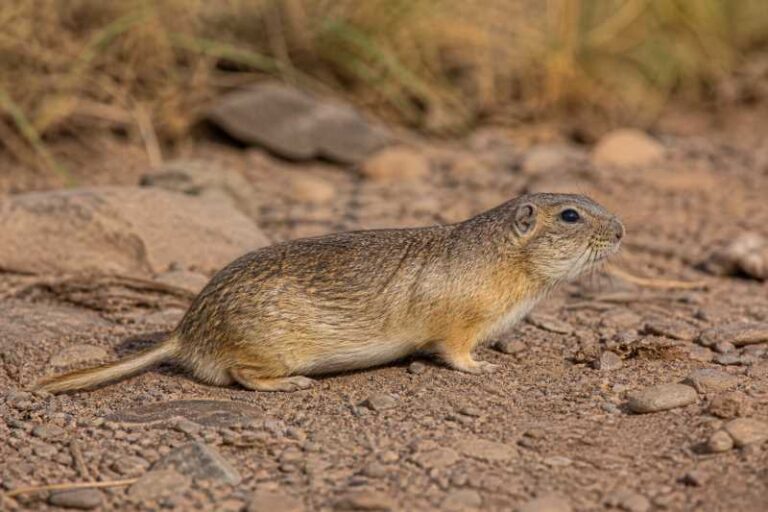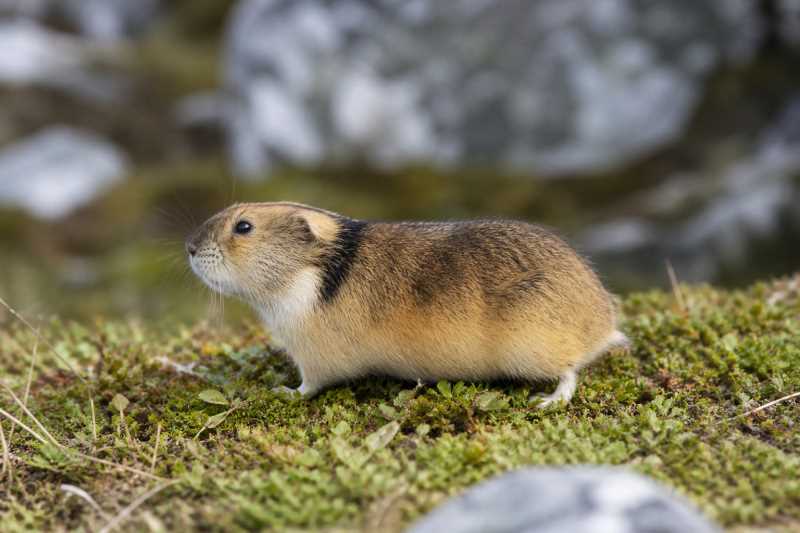
Nelson’s Collared Lemming (Dicrostonyx nelsoni)
Introduction
Nelson’s Collared Lemming, scientifically known as Dicrostonyx nelsoni, is a remarkable member of the rodent family, Cricetidae. This small, furry mammal inhabits some of the most challenging environments on Earth, showcasing incredible adaptations to its frigid surroundings. Often overshadowed by its more famous cousin, the Arctic lemming, Nelson’s Collared Lemming is a fascinating creature that plays a crucial role in its ecosystem. This article delves into various aspects of this unique species, from its physical characteristics to its behavior and conservation status.
Physical Description
Nelson’s Collared Lemming is a compact rodent with distinctive features that make it well-suited to its environment. Typically measuring between 13 to 18 cm (5 to 7 inches) in length, including its short tail, this lemming is characterized by its stocky body and heavily furred feet, which aid in navigating snowy terrains.
One of the most striking features of Nelson’s Collared Lemming is its seasonal coat color change. During the winter months, its fur turns white, providing excellent camouflage against the snow. In contrast, the summer coat is a mottled grey-brown, blending seamlessly with the tundra landscape. This seasonal molting is not only a survival adaptation but also a distinguishing feature among lemming species.
Unique to the Dicrostonyx genus, Nelson’s Collared Lemming possesses a pair of enlarged claws on its front feet. These claws are used for digging through snow and soil, enabling the lemming to access food and create burrows.
Range and Habitat
Nelson’s Collared Lemming is primarily found in the tundra regions of Alaska, residing in areas characterized by harsh weather conditions and limited vegetation. This species thrives in environments where temperatures plummet well below freezing, and the landscape is dominated by snow and ice for much of the year.
The habitat of Nelson’s Collared Lemming is typically open tundra, often with a mix of grasses, mosses, and lichens. These areas provide essential resources for the lemming’s survival, including food and materials for nesting. The lemming’s burrows, which are dug in the snow and soil, offer shelter from predators and the elements, demonstrating the species’ impressive adaptability.
Behavior and Diet
Nelson’s Collared Lemming is primarily nocturnal, engaging in most of its activities under the cover of darkness. This behavioral trait helps it avoid predation in the open tundra. The lemming is also known for its solitary nature, although it may be seen in loose groups during the breeding season.
The diet of Nelson’s Collared Lemming is predominantly herbivorous, consisting mainly of grasses, sedges, and other tundra vegetation. During the summer months, the lemming’s diet expands to include berries and other seasonal plants. Its ability to subsist on a varied diet is crucial for survival in an environment where food sources are scarce and unpredictable.
Identification Tips (Field Recognition Cues)
Identifying Nelson’s Collared Lemming in the field requires attention to several key characteristics:
- Seasonal Coat: Look for the distinct seasonal coat changes. In winter, the lemming will have a white coat, while in summer, it will be grey-brown.
- Size and Shape: Note the lemming’s compact, stocky body and short tail, which are typical of this species.
- Enlarged Claws: Observe the front feet for the presence of enlarged claws, used for digging.
- Habitat: Consider the environment; this lemming is found in open tundra regions.
Conservation Status (with Threats and Protections)
Nelson’s Collared Lemming is currently listed as a species of Least Concern by the International Union for Conservation of Nature (IUCN). However, the species faces several threats that could impact its population in the future.
Threats
- Climate Change: The most significant threat to Nelson’s Collared Lemming is climate change. Rising temperatures can alter the tundra ecosystem, affecting the availability of food and suitable habitat.
- Predation: As part of the Arctic food web, lemmings are prey for a variety of predators, including foxes, birds of prey, and weasels.
- Human Activity: Although the tundra is relatively undisturbed, increasing human activity, such as oil exploration and development, poses a potential threat to the lemming’s habitat.
Protections
Efforts to protect Nelson’s Collared Lemming include conservation initiatives focused on preserving tundra ecosystems and mitigating the effects of climate change. Monitoring populations and conducting research into the species’ ecology are also crucial steps in ensuring its long-term survival.
Frequently Asked Questions
What adaptations help Nelson’s Collared Lemming survive in the tundra?
Nelson’s Collared Lemming has several adaptations that aid in its survival in the tundra. These include its seasonal coat color change for camouflage, heavily furred feet for insulation and mobility on snow, and enlarged claws for digging through snow and accessing food.
How does climate change affect Nelson’s Collared Lemming?
Climate change poses a significant threat to Nelson’s Collared Lemming by altering its habitat. Rising temperatures can lead to changes in vegetation and snow cover, impacting the availability of food and shelter, and potentially leading to population declines.
What is the diet of Nelson’s Collared Lemming?
The diet of Nelson’s Collared Lemming is primarily herbivorous, consisting of grasses, sedges, and other tundra vegetation. In the summer, it may also consume berries and other seasonal plants.
Where can Nelson’s Collared Lemming be found?
Nelson’s Collared Lemming is found in the tundra regions of Alaska, particularly in areas with open landscapes and limited vegetation. Its habitat includes regions with harsh weather conditions and snow cover for much of the year.
Are there any conservation efforts in place for Nelson’s Collared Lemming?
Yes, conservation efforts for Nelson’s Collared Lemming include initiatives to preserve tundra ecosystems and mitigate climate change impacts. Research and monitoring of populations are also key components of conservation strategies.
Related posts