Fairy Pipistrelle (Hypsugo ariel): A Comprehensive Guide
Introduction
The Fairy Pipistrelle (Hypsugo ariel) is a fascinating addition to the world of bats, captivating researchers and wildlife enthusiasts alike with its unique characteristics and elusive nature. This small bat species, belonging to the Vespertilionidae family, is an integral part of the ecosystems it inhabits, playing a crucial role in insect population control. Despite its importance, the Fairy Pipistrelle remains relatively understudied, making it a subject of interest for conservationists striving to understand and protect it.
Physical Description
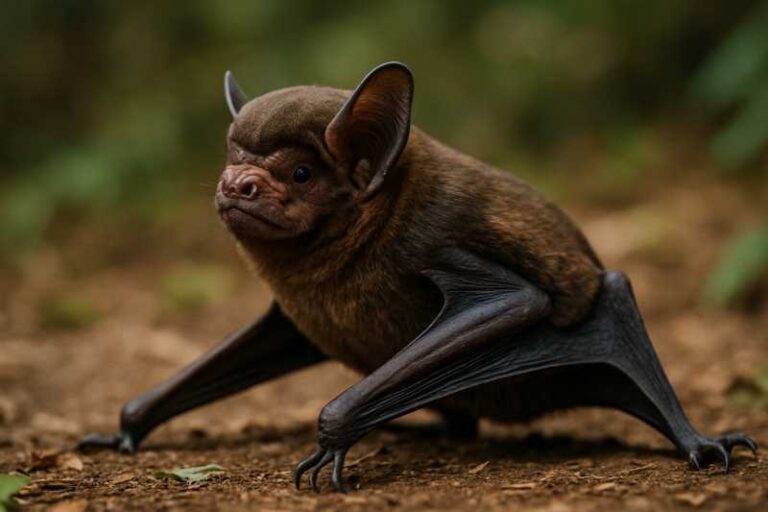
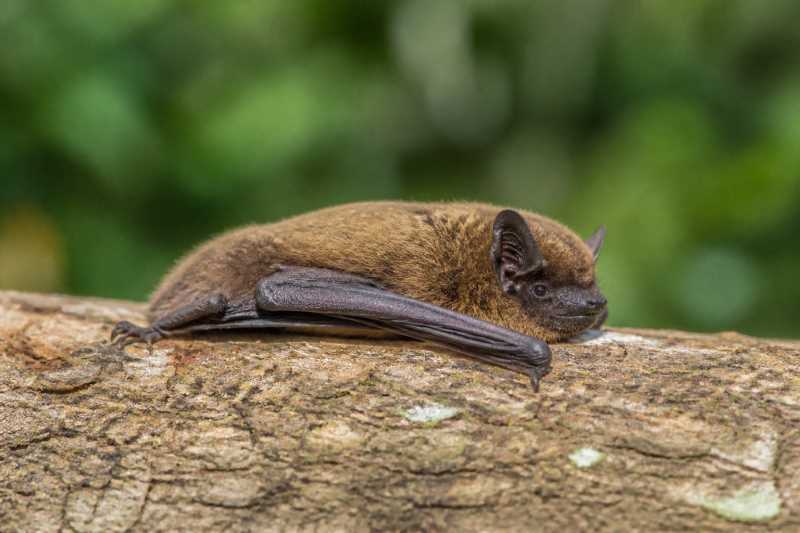
The Fairy Pipistrelle is a diminutive and delicate bat, with a body length ranging from 35 to 45 millimeters and a wingspan of approximately 200 millimeters. Weighing merely 3 to 5 grams, it is among the smallest bat species. Its fur is typically a pale gray or light brown, providing excellent camouflage against tree bark and foliage. The Fairy Pipistrelle has a distinctive facial structure with a short, rounded muzzle and large, expressive eyes that enhance its nocturnal vision. Its ears are moderately long, curved, and equipped with a tragus—an essential feature for echolocation. These physical traits not only aid in its survival but also contribute to its enigmatic and charming appearance.
Range and Habitat
The Fairy Pipistrelle occupies a broad geographical range, primarily found across the Middle East, parts of North Africa, and extending into regions of Southern Europe. It thrives in various habitats, including dry deciduous forests, arid desert margins, and urban areas. This adaptability is a testament to its resilience, allowing it to exploit different types of environments. The Fairy Pipistrelle is often observed roosting in crevices of buildings, under tree bark, and occasionally in caves. Its ability to inhabit urban areas highlights its capacity to coexist with human populations, although this sometimes brings it into conflict with development activities.
Behavior and Diet
The Fairy Pipistrelle is nocturnal, emerging at dusk to embark on foraging expeditions that last throughout the night. Its flight is agile and swift, characterized by quick, erratic movements as it pursues insect prey. This bat primarily feeds on small flying insects, such as moths, beetles, and mosquitoes, which it captures mid-air using echolocation. This sophisticated method involves emitting high-frequency sound waves that bounce off objects, helping the bat to locate and identify prey with remarkable precision.
Socially, the Fairy Pipistrelle tends to form small colonies, particularly during the breeding season, but it can also be solitary. During colder months, when food becomes scarce, it may enter a state of torpor, reducing its metabolic rate to conserve energy. This adaptability in behavior ensures its survival in varying environmental conditions.
Identification Tips (Field Recognition Cues)
Identifying the Fairy Pipistrelle in the field requires careful observation and a keen eye for detail. Here are some tips to help spot this elusive bat:
- Size and Coloration: Look for a very small bat with pale gray or light brown fur. Its small size and coloration help distinguish it from larger and darker bat species.
- Flight Pattern: Observe its swift, erratic flight at dusk or night. The Fairy Pipistrelle’s flight is characterized by quick, darting movements as it hunts insects.
- Echolocation Calls: Use a bat detector tuned to high frequencies (around 45-55 kHz) to hear its echolocation calls, which are typically rapid and high-pitched.
- Roosting Sites: Check potential roosting sites such as building crevices, under tree bark, and occasionally in caves or other secluded areas.
Conservation Status (with Threats and Protections)
The Fairy Pipistrelle is currently classified as Least Concern by the International Union for Conservation of Nature (IUCN). However, it faces several threats that could impact its populations in the future. Habitat loss due to urban development, agriculture, and deforestation poses a significant threat. Additionally, the use of pesticides can reduce its insect prey base, adversely affecting its food supply.
Conservation efforts for the Fairy Pipistrelle involve habitat protection and management. Encouraging the preservation of natural roosting sites and implementing bat-friendly practices in urban planning are crucial steps. Public education and awareness campaigns can also help mitigate human-wildlife conflicts and promote coexistence.
Frequently Asked Questions
1. What is the primary diet of the Fairy Pipistrelle?
The Fairy Pipistrelle primarily feeds on small flying insects, such as moths, beetles, and mosquitoes. It uses echolocation to locate and capture these prey mid-air.
2. Where can the Fairy Pipistrelle be found?
The Fairy Pipistrelle is found across the Middle East, parts of North Africa, and Southern Europe. It inhabits dry deciduous forests, desert margins, and urban areas.
3. How does the Fairy Pipistrelle locate its prey?
The Fairy Pipistrelle uses echolocation, emitting high-frequency sound waves that bounce off objects, to precisely locate and identify its insect prey.
4. What are the conservation concerns for the Fairy Pipistrelle?
Key conservation concerns include habitat loss due to urban development, agriculture, and pesticide use, which can reduce its insect prey base.
5. How can we help protect the Fairy Pipistrelle?
Protecting natural habitats, promoting bat-friendly urban planning, and raising public awareness are essential measures to conserve the Fairy Pipistrelle.
Related posts