Introduction
The Highlands Pygmy Rice Rat, scientifically known as Oligoryzomys rupestris, is a captivating yet understudied mammal species that inhabits the high-altitude regions of South America. Renowned for its adaptability and elusive nature, this small rodent plays an integral role in its ecosystem, contributing to seed dispersal and serving as prey for various predators. Despite its ecological importance, there is limited information available about this species, making it a fascinating subject for both researchers and wildlife enthusiasts.
Physical Description
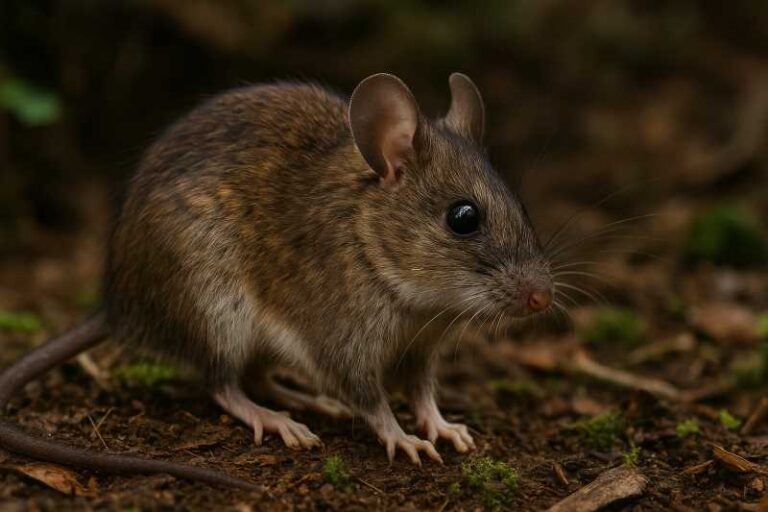
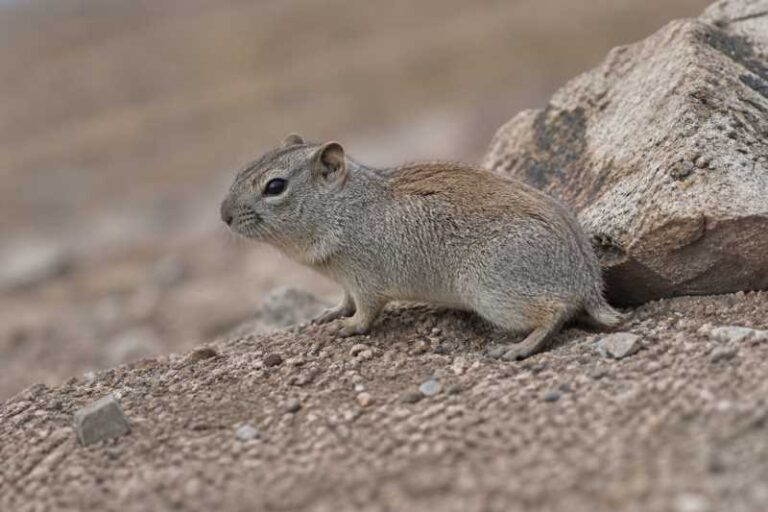
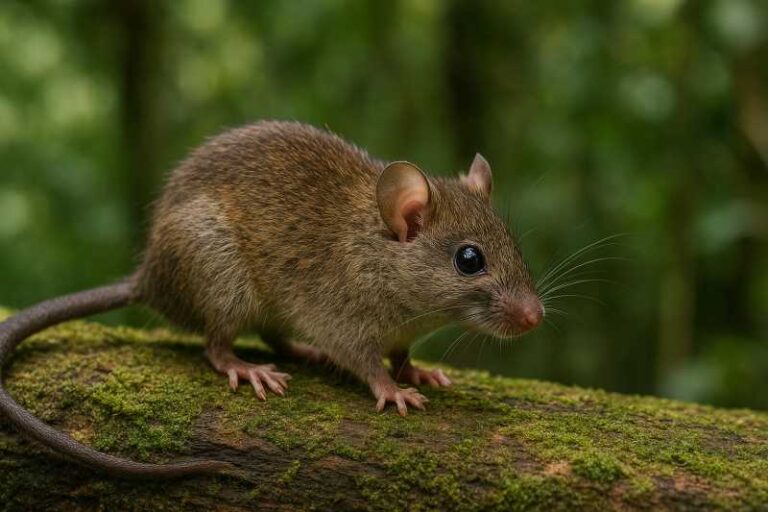
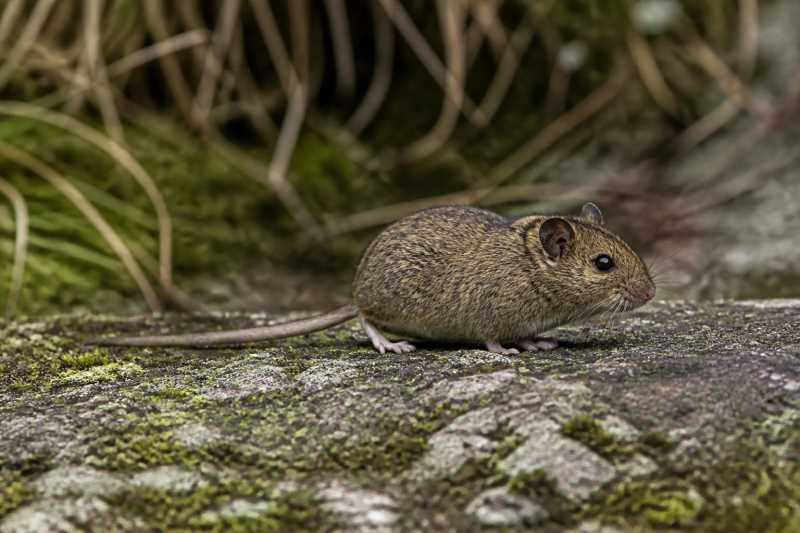
The Highlands Pygmy Rice Rat is a diminutive rodent typically measuring between 10 to 15 centimeters in length, including its tail. It possesses a compact body, covered in a dense coat of soft, fine fur that ranges in color from light brown to grayish tones, providing effective camouflage against the rocky terrains it often inhabits. The rat’s underbelly is usually a lighter shade, often white or cream, contrasting with its darker dorsal side.
Its ears are small and rounded, while its eyes are large and adapted for nocturnal activity, reflecting its predominantly night-time lifestyle. The tail, which constitutes about half of the animal’s total length, is slightly scaly and sparsely haired, aiding in balance and agility. The Highlands Pygmy Rice Rat’s limbs are relatively short, yet strong, equipped with sharp claws for efficient climbing and burrowing.
Range and Habitat
The Highlands Pygmy Rice Rat is endemic to the high-altitude regions of the Andes Mountains, spanning countries such as Peru, Bolivia, and northern Argentina. It thrives in montane grasslands and shrublands, typically at elevations ranging from 2,500 to 4,500 meters above sea level. The species’ preference for rugged, rocky environments provides ample hiding spots and protection from predators.
This adaptive rodent is also found in agricultural lands, particularly rice fields, which have influenced its common name. However, its presence in cultivated areas is often transient and dictated by food availability and human disturbance. Despite its adaptability, the Highlands Pygmy Rice Rat is primarily associated with natural habitats where it can find sufficient cover and sustenance.
Behavior and Diet
The Highlands Pygmy Rice Rat is predominantly nocturnal and crepuscular, actively foraging during the twilight hours of dawn and dusk. This behavior reduces exposure to predators and extreme daytime temperatures. It is a solitary creature, although occasional sightings of small groups suggest that some social interactions do occur, particularly during the breeding season.
Dietarily, the Highlands Pygmy Rice Rat is omnivorous, with a preference for seeds, grains, and small invertebrates. Its diet is highly opportunistic, often dictated by seasonal availability. The species plays a crucial role in seed dispersal, inadvertently aiding in plant propagation as it forages across its habitat.
Identification Tips (field recognition cues)
Recognizing the Highlands Pygmy Rice Rat in the field requires attention to several distinctive features:
- Size and Shape: Look for a small rodent with a slender body and a tail that is about half its total body length.
- Fur Coloration: Note the subtle gradation in fur color from brown or gray on the back to lighter tones on the belly.
- Ears and Eyes: Observe the small, rounded ears and large eyes, adaptations for its nocturnal lifestyle.
- Tail: The tail is slightly scaled and less hairy, aiding in its identification.
- Habitat: Focus on high-altitude, rocky, and grassy environments, particularly in the Andes.
Conservation Status (with threats and protections)
As of the latest assessments, the Highlands Pygmy Rice Rat is classified as "Least Concern" by the International Union for Conservation of Nature (IUCN). However, its population trends are not well documented due to the species’ elusive nature and the challenging environments it inhabits.
Threats to this species include habitat destruction due to agricultural expansion and mining activities, which encroach upon its natural environments. Climate change also poses a long-term threat by altering the delicate ecosystems of the Andes.
Protections for the Highlands Pygmy Rice Rat are primarily indirect, such as the establishment of protected areas and national parks in the Andes region. Continued research and monitoring are essential to better understand its ecology and to implement targeted conservation strategies if needed.
Frequently Asked Questions
- What is the lifespan of the Highlands Pygmy Rice Rat?
The typical lifespan of the Highlands Pygmy Rice Rat in the wild is approximately 1 to 2 years. Factors such as predation and food availability significantly influence their longevity.
- How does the Highlands Pygmy Rice Rat contribute to its ecosystem?
This species plays a vital role in seed dispersal, aiding in the propagation of various plant species. It also serves as a food source for predators, maintaining the ecological balance.
- Are Highlands Pygmy Rice Rats dangerous to humans?
No, they are not dangerous to humans. They are small, elusive, and primarily avoid human contact. However, like all wild rodents, they should not be handled to prevent any potential disease transmission.
- What adaptations help the Highlands Pygmy Rice Rat survive in its environment?
Adaptations such as nocturnal habits, effective camouflage, and omnivorous diet allow it to thrive in the high-altitude, rocky environments of the Andes.
- How can I help in the conservation of the Highlands Pygmy Rice Rat?
Supporting conservation organizations that protect Andean habitats and promoting awareness about the importance of biodiversity can aid in the preservation of this species.
Related posts