Introduction
The Variegated Squirrel, scientifically known as Sciurus variegatoides, is a fascinating and visually striking rodent native to Central America. Known for its diverse color patterns and agile movements, the Variegated Squirrel is a prominent species within its habitat. It plays a crucial role in its ecosystem, contributing to seed dispersal and serving as prey for various predators. This article delves into the various aspects of this intriguing species, providing insights into its physical characteristics, habitat preferences, behavioral patterns, and conservation status.
Physical Description
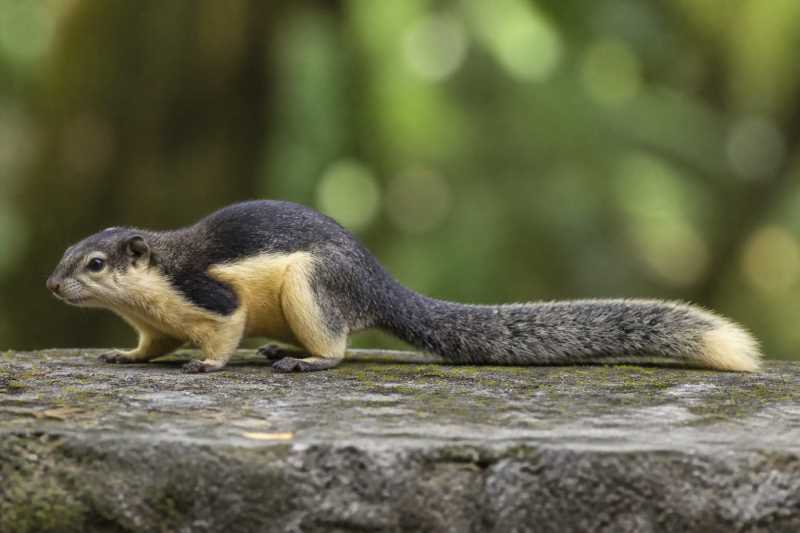
Variegated Squirrels are medium-sized rodents with a body length ranging from 25 to 30 cm (10 to 12 inches) and a tail length of approximately 20 to 25 cm (8 to 10 inches). Their weight typically varies between 500 to 750 grams (1.1 to 1.65 pounds). One of the most distinctive features of the Variegated Squirrel is its vibrant and varied coloration, which can differ significantly across its range.
The fur of the Variegated Squirrel is a complex mix of colors, including shades of black, gray, brown, and white. This variegated pattern offers excellent camouflage against the forest backdrop. The dorsal side is usually darker, while the ventral side tends to be lighter, often white or cream-colored. Their bushy tails are a key characteristic, providing balance and aiding in their arboreal lifestyle.
Range and Habitat
The Variegated Squirrel is primarily found in the tropical and subtropical forests of Central America. Its range extends from southern Mexico through Guatemala, Honduras, Nicaragua, Costa Rica, and into western Panama. Within these regions, the species inhabits a variety of forest types, including both primary and secondary forests, as well as cloud forests and mangrove swamps.
These squirrels are highly adaptable and can be found at altitudes ranging from sea level up to 2,500 meters (8,200 feet). They thrive in areas with abundant tree cover, which provides food resources and shelter. Despite their preference for dense forests, Variegated Squirrels have also been observed in agricultural landscapes and urban areas, showcasing their adaptability to changing environments.
Behavior and Diet
Variegated Squirrels are diurnal creatures, most active during the early morning and late afternoon. They are highly arboreal, spending a significant amount of time in the tree canopy, where they forage for food, socialize, and escape from predators. Their movements are characterized by agile leaps and swift climbs, facilitated by their strong hind limbs and sharp claws.
The diet of the Variegated Squirrel is diverse, primarily consisting of fruits, seeds, nuts, and flowers. They are known to consume a variety of plant materials, including the seeds and fruits of native trees such as figs and palms. Occasionally, they may also feed on insects, bird eggs, and small vertebrates, showcasing their opportunistic feeding behavior.
Socially, Variegated Squirrels are generally solitary animals. However, they may come into contact with one another during the breeding season or while foraging in areas with abundant food resources. Communication among these squirrels involves vocalizations, tail flicking, and scent marking.
Identification Tips (Field Recognition Cues)
Identifying the Variegated Squirrel in the wild requires attention to several key characteristics:
- Coloration: Look for the distinctive variegated pattern of black, gray, brown, and white on their fur. The specific color pattern can vary between individuals and regions.
- Size and Shape: Note the medium size, bushy tail, and agile, compact body typical of arboreal squirrels.
- Behavior: Observe their diurnal activity patterns and arboreal lifestyle, with frequent movements in the canopy and occasional ground foraging.
- Vocalizations: Listen for their calls, which include a variety of chatters and whistles used for communication.
Conservation Status (with Threats and Protections)
The Variegated Squirrel is currently classified as a species of Least Concern by the International Union for Conservation of Nature (IUCN). Despite this, several factors pose threats to their populations:
- Habitat Loss: Deforestation due to agriculture, logging, and urban expansion reduces available habitat.
- Hunting: In some areas, these squirrels are hunted for their meat and fur, though this is not a widespread practice.
- Climate Change: Altered weather patterns can impact food availability and habitat conditions.
Conservation efforts focus on habitat preservation and management. Protected areas and national parks within their range provide refuges from habitat destruction. Additionally, reforestation projects and sustainable land-use practices contribute to maintaining viable squirrel populations.
Frequently Asked Questions
1. What do Variegated Squirrels eat? Variegated Squirrels have a diet that primarily consists of fruits, seeds, nuts, and flowers. They are opportunistic feeders and may also consume insects, bird eggs, and small vertebrates when available.
2. Where do Variegated Squirrels live? These squirrels inhabit tropical and subtropical forests in Central America, ranging from southern Mexico to western Panama. They are adaptable and can also be found in secondary forests and urban areas.
3. How can I identify a Variegated Squirrel? Look for their distinctive variegated fur pattern, medium size, bushy tail, and arboreal behavior. They are active during the day and often communicate through vocalizations and tail movements.
4. Are Variegated Squirrels endangered? No, the Variegated Squirrel is not currently endangered. It is classified as Least Concern, although habitat loss and other threats could impact populations if not managed.
5. What role do Variegated Squirrels play in the ecosystem? These squirrels are important seed dispersers, contributing to forest regeneration. They are also prey for various predators, playing a key role in the food web.
Related posts