The Marquesan Kingfisher: A Jewel of the Pacific
In the remote archipelago of the Marquesas Islands, located in French Polynesia, resides one of the world’s most elusive and endangered avian species: the Marquesan Kingfisher (Todiramphus godeffroyi). This striking bird, with its unique blend of vibrant colors and distinctive features, is a symbol of the fragile beauty of island ecosystems and the urgent need for conservation efforts.
A Distinctive Presence
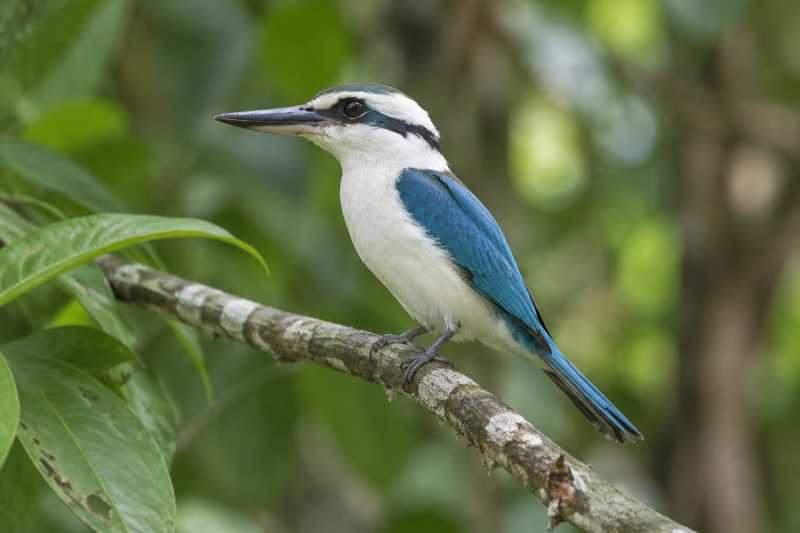
The Marquesan Kingfisher is a medium-sized bird, approximately 20 centimeters in length, adorned with a brilliant turquoise-blue back and wings, a contrasting white belly, and a striking orange-buff head. Its long bill, characteristic of kingfishers, is perfectly adapted for its hunting habits. Males and females are similar in appearance, making it challenging to differentiate between them in the wild.
Habitat and Range
Endemic to the Marquesas Islands, this kingfisher is primarily found on the islands of Hiva Oa and Tahuata. Historically, it occupied several other islands in the group, but its range has significantly contracted due to habitat destruction and other anthropogenic pressures. The bird’s preferred habitat includes dense, moist forests and wooded valleys where it can find its prey and suitable nesting sites.
Behavior and Diet
The Marquesan Kingfisher is a solitary and territorial bird, often seen perched quietly on branches, scanning its surroundings for potential prey. It feeds mainly on insects and small vertebrates, including lizards, which it captures with swift, precise movements. Unlike the more aquatic species of kingfishers, the Marquesan Kingfisher does not rely on fishing and is rarely seen near water bodies.
During the breeding season, which occurs during the warmer months, the kingfisher becomes more vocal and active. It constructs its nest in tree cavities or, occasionally, in earthen banks, where it lays a clutch of two to three eggs. Both parents participate in incubating the eggs and feeding the chicks, showcasing a strong pair bond and cooperative breeding behavior.
Conservation Status
The Marquesan Kingfisher is classified as Critically Endangered by the International Union for Conservation of Nature (IUCN). Its population is estimated to be less than 500 individuals, with numbers continuing to decline. The primary threats to its survival include habitat loss due to deforestation for agriculture, the introduction of invasive species such as rats and feral cats, and human disturbance.
Efforts to conserve the Marquesan Kingfisher involve habitat protection and restoration, control of invasive species, and raising awareness among local communities about the importance of preserving their unique natural heritage. Conservationists are also exploring captive breeding programs as a potential strategy to bolster the population, although this is fraught with challenges given the bird’s specific habitat requirements and behavior.
The Importance of Conservation
The plight of the Marquesan Kingfisher serves as a poignant reminder of the broader challenges facing biodiversity on islands. Island ecosystems are particularly vulnerable to environmental changes and human activities due to their isolation and limited resources. The loss of any species within these ecosystems can have cascading effects, disrupting ecological balance and leading to further declines in biodiversity.
Preserving the Marquesan Kingfisher is not only about saving a single species but also about maintaining the ecological integrity of the Marquesas Islands and protecting the cultural heritage of the Polynesian people. Birds play a crucial role in seed dispersal, pest control, and pollination, contributing to the health and resilience of their habitats.
Conclusion
The Marquesan Kingfisher is a remarkable bird that embodies the beauty and fragility of island life. While its future remains uncertain, the ongoing conservation efforts offer a beacon of hope. By safeguarding its habitat and addressing the threats it faces, we can ensure that future generations will continue to marvel at the vibrant plumage and captivating presence of the Marquesan Kingfisher. As stewards of the planet, it is our responsibility to protect such irreplaceable treasures of nature, ensuring that they thrive in the wild for years to come.
Related posts