Introduction
The Mongolian Jird, scientifically known as Meriones unguiculatus, is a fascinating small mammal that has captured the interest of scientists and pet enthusiasts alike. Commonly known as the Mongolian Gerbil, this species belongs to the family Muridae and is renowned for its adaptability and social nature. With its origins in the arid regions of Mongolia and Northern China, the Mongolian Jird has become a popular pet across the globe due to its manageable size, gentle behavior, and relatively simple care requirements. This article delves into the intriguing world of the Mongolian Jird, offering insights into its physical characteristics, habitat preferences, behavior, and conservation status.
Physical Description
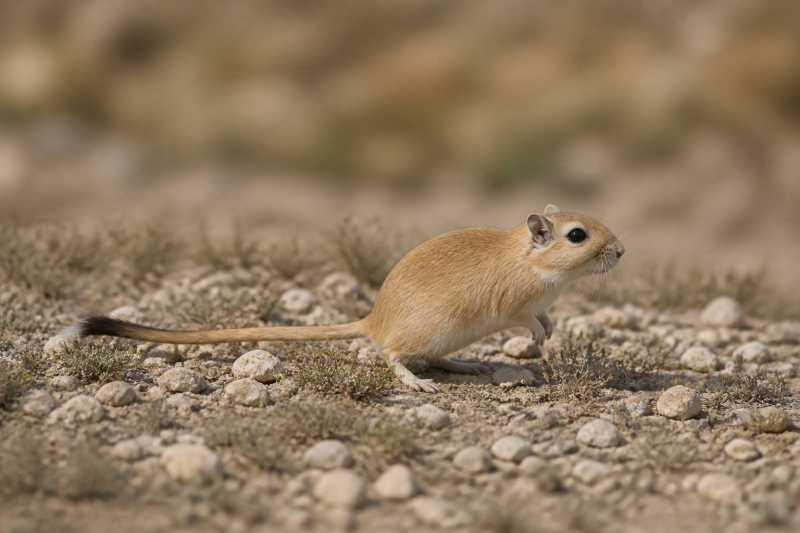
The Mongolian Jird is a medium-sized rodent, typically measuring between 10 to 12 centimeters in body length, with a tail that adds an additional 8 to 10 centimeters. They generally weigh between 70 to 130 grams. Their fur is dense and silky, providing essential insulation against the cold climates of their native habitat.
The coloration of the Mongolian Jird is typically agouti—a mix of tan and gray—which serves as excellent camouflage in their sandy and rocky environments. This agouti pattern consists of individual hairs banded with different shades of brown and gray, providing an overall mottled appearance. Domesticated varieties, however, can exhibit a range of colors from black and white to orange and cream due to selective breeding.
Range and Habitat
Mongolian Jirds are native to the steppes and semi-desert regions of Mongolia and parts of Northern China. These areas are characterized by sparse vegetation, extreme temperature variations, and limited water availability. The Mongolian Jird has adapted to these harsh conditions with remarkable efficiency.
In the wild, these rodents are burrowers, constructing extensive networks of tunnels underground. These burrows provide shelter from predators, extreme temperatures, and are a safe place to raise their young. The burrow systems are often complex, featuring multiple entrances and chambers for nesting and food storage. These adaptations highlight the Mongolian Jird’s ability to thrive in environments that may seem inhospitable to other species.
Behavior and Diet
Mongolian Jirds are diurnal creatures, meaning they are active during the day. They are highly social animals, living in groups that often consist of extended family members. This social structure is vital for their survival, as it aids in predator detection and provides warmth during the cold nights.
Their diet in the wild primarily consists of seeds, grains, roots, and occasionally insects. Their food intake is generally opportunistic, taking advantage of the limited resources available in their arid habitat. In captivity, their diet can be supplemented with commercial rodent foods, fresh vegetables, and fruits, ensuring they receive a well-rounded nutritional intake.
Identification Tips (Field Recognition Cues)
Identifying a Mongolian Jird in the wild can be challenging due to their elusive nature and camouflaged appearance. However, there are several key features that can aid in their identification:
- Body Size and Shape: Look for a small, robust body with a relatively long tail compared to the body length.
- Fur Coloration: The agouti pattern is a distinctive feature, with a blend of tan and gray hairs.
- Ear and Tail Structure: Their ears are relatively small and rounded, while the tail is covered with fur and ends in a slight tuft.
- Behavior: Observing their social interactions and burrowing behavior can also provide clues, as they are often seen in small groups.
Conservation Status (With Threats and Protections)
The Mongolian Jird is currently classified as a species of Least Concern by the International Union for Conservation of Nature (IUCN). This classification is due to their wide distribution and large population numbers in the wild. However, like many species, they face potential threats that could impact their populations in the future.
Threats:
- Habitat Destruction: The expansion of agricultural activities and urban development can lead to habitat fragmentation and loss.
- Climate Change: Changes in climate patterns can alter their natural habitats, making them less suitable for the species.
- Predation: Natural predators such as birds of prey, snakes, and larger mammals pose a constant threat to their survival.
Protections:
- Conservation Areas: Some of their natural habitats are protected under various conservation programs, which help preserve their environment.
- Research and Monitoring: Ongoing studies and monitoring of wild populations aid in understanding their ecology and any emerging threats.
Frequently Asked Questions
What do Mongolian Jirds eat in captivity?
Mongolian Jirds in captivity typically consume a diet of commercial rodent pellets, fresh fruits, and vegetables. It’s essential to provide a balanced diet to ensure proper nutrition, with occasional treats such as nuts and seeds.
How long do Mongolian Jirds live?
In captivity, Mongolian Jirds can live between 3 to 5 years with proper care. Factors such as diet, habitat conditions, and healthcare play significant roles in determining their lifespan.
Are Mongolian Jirds suitable as pets?
Yes, Mongolian Jirds make excellent pets due to their gentle nature and social behavior. They require minimal grooming and can be easily handled, making them suitable for families and first-time pet owners.
How do Mongolian Jirds communicate?
Mongolian Jirds communicate using a variety of vocalizations, body language, and scent markings. Their vocalizations can range from high-pitched squeaks to low-frequency drumming with their hind legs.
What is the natural habitat of the Mongolian Jird?
The Mongolian Jird’s natural habitat consists of the steppes and semi-desert regions of Mongolia and Northern China. They are well-adapted to these arid environments, relying on their burrowing behavior to survive extreme conditions.
Related posts