Introduction
The Montane Vole (Microtus montanus) is a small mammal species that belongs to the family Cricetidae, a diverse group of rodents that includes voles, lemmings, and their relatives. This species is an essential component of the ecosystems where it resides, serving as both a prey species for various predators and a consumer of plant materials. Known for their adaptability, Montane Voles are often studied for their ecological impact and behaviors in montane and subalpine environments.
The Montane Vole’s scientific classification places it within the genus Microtus, which is composed of numerous vole species. These creatures are often characterized by their dense, soft fur and their preference for cool, moist habitats. Montane Voles are primarily found in the western regions of North America, where they have adapted to a range of environmental conditions.
Physical Description
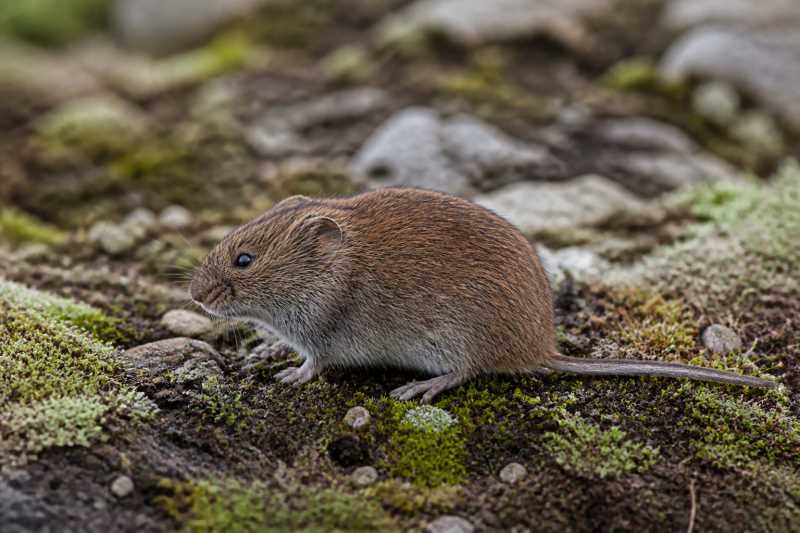
The Montane Vole exhibits several physical characteristics that make it easily identifiable among small mammals. Adults typically measure between 17 and 22 centimeters in total length, including their tail, which is relatively short compared to their body size. Weighing in at approximately 40 to 60 grams, these voles are medium-sized compared to other members of the Microtus genus.
Their fur is generally dense and soft, providing necessary insulation against the cold temperatures of their montane habitats. The coloration of their fur can vary, but it is commonly a blend of brown or gray, allowing them to blend into the grassy and rocky landscapes they inhabit. Their underbellies are usually a lighter shade, often a creamy white or pale gray.
Montane Voles possess small, rounded ears that are typically hidden beneath their fur, along with small eyes. Their limbs are short, adapted for quick movements through their environment, and their feet are equipped with claws suitable for digging and burrowing.
Range and Habitat
The geographical range of the Montane Vole spans across the western United States and parts of Canada, primarily in regions characterized by mountainous terrain. They are commonly found in states such as Colorado, Montana, Wyoming, Utah, and Idaho, extending into areas of British Columbia and Alberta in Canada.
Montane Voles inhabit a variety of ecosystems within these regions, including grasslands, meadows, and forests. They are particularly drawn to areas with abundant vegetation and moist soil, which are optimal for their burrowing activities and dietary needs. These voles are well-adapted to high-altitude environments, often residing at elevations ranging from 1,500 to 3,500 meters.
During the winter months, when temperatures drop and snow covers the ground, Montane Voles continue to remain active. They create extensive tunnel systems beneath the snow, which provide insulation and protection from predators.
Behavior and Diet
Montane Voles are primarily herbivorous, with a diet consisting mainly of grasses, herbs, seeds, and roots. Their feeding habits play a crucial role in shaping the vegetation of their habitats, as they often engage in selective feeding that can influence plant community structures.
These voles are known for their prolific breeding capabilities. During the breeding season, which typically occurs from spring through late summer, females can produce multiple litters, each consisting of four to six young. This high reproductive rate allows Montane Voles to quickly recover from population declines due to predation or environmental changes.
Socially, Montane Voles are generally solitary animals, except during the breeding season. They are territorial and use scent markings to communicate with other voles and to establish their presence within a certain area. Vocalizations, although less common, are also used to convey information between individuals.
Identification Tips (Field Recognition Cues)
Identifying the Montane Vole in the field can be accomplished through several key recognition cues:
- Size and Shape: Look for a small, compact rodent with a short tail relative to its body length.
- Fur: Notice the dense and soft fur, typically brown or gray, with lighter underparts.
- Ears and Eyes: Their small, rounded ears are often concealed by fur, and they have small, beady eyes.
- Habitat: Montane Voles are found in grassy or meadow habitats, particularly at higher elevations.
- Behavior: Watch for their characteristic movements, such as quick, darting motions and burrowing activities.
Conservation Status (With Threats and Protections)
Currently, the Montane Vole is classified as a species of Least Concern by the International Union for Conservation of Nature (IUCN). This classification indicates that the species is not currently at risk of extinction across its range. However, certain localized threats could impact specific populations.
The primary threats to Montane Voles include habitat destruction due to agricultural expansion, urban development, and climate change. These activities can lead to the fragmentation of their habitats, reducing the availability of suitable living spaces and resources.
Conservation efforts aimed at preserving Montane Vole populations focus on habitat protection and restoration. Maintaining the integrity of montane and subalpine ecosystems is crucial for the continued survival of this species. Additionally, research into their ecological roles and population dynamics can provide valuable insights for conservation planning.
Frequently Asked Questions
Why is this species unique?
The Montane Vole is unique due to its adaptability to high-altitude environments and its role in shaping plant communities through its feeding habits. Its presence in montane ecosystems helps maintain ecological balance by serving as both a prey and a consumer.
How does the Montane Vole contribute to its ecosystem?
Montane Voles play a critical role in their ecosystems by influencing vegetation dynamics through their feeding activities. They help control plant populations and serve as a food source for a variety of predators, including birds of prey, mammals, and reptiles.
What are the main challenges faced by Montane Voles?
The main challenges faced by Montane Voles include habitat loss due to human activities such as agriculture and urban development, as well as climate change, which may alter their montane habitats. These factors can lead to population declines and increased vulnerability to predation.
How do Montane Voles adapt to winter conditions?
During winter, Montane Voles adapt by creating extensive tunnel systems beneath the snow, which provide insulation and protection from predators. They remain active year-round, relying on stored food and their insulated burrows to survive the colder months.
What efforts are being made to protect Montane Voles?
Conservation efforts for Montane Voles focus on habitat preservation and restoration. Protecting montane and subalpine ecosystems and ensuring the availability of suitable habitats are key strategies. Research on vole population dynamics and ecological roles also informs conservation planning.
Related posts