Introduction
The Masoala Sportive Lemur, scientifically known as Lepilemur scottorum, is a captivating species of lemur found exclusively in Madagascar. As a nocturnal primate, it plays a crucial role in the biodiversity of its ecosystem. This lemur is a member of the family Lepilemuridae, which is known for its distinctive behavior and adaptations to a nocturnal lifestyle. Despite its significance in the ecological tapestry of Madagascar, the Masoala Sportive Lemur faces numerous threats that endanger its existence. This article delves into the unique characteristics, habitat, behaviors, and conservation needs of this remarkable species.
Physical Description
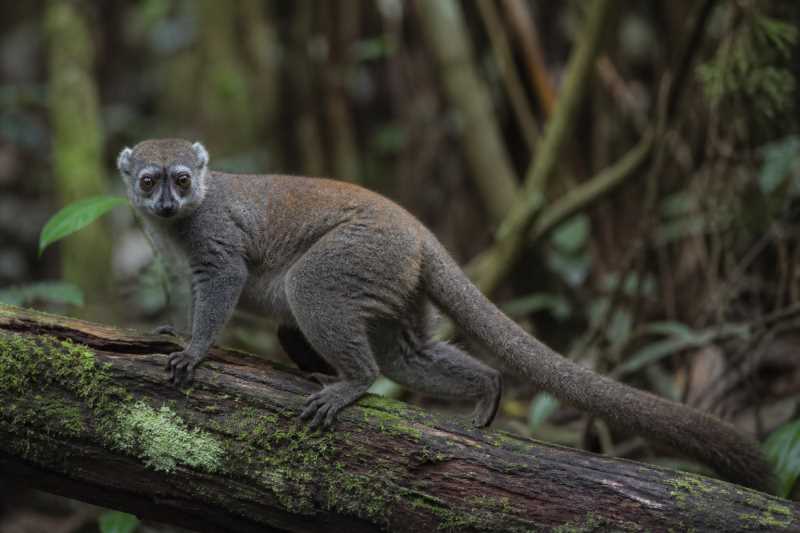
The Masoala Sportive Lemur is a relatively small primate, with an average body length ranging from 22 to 28 centimeters and a tail length of approximately 25 to 30 centimeters. This species exhibits a soft, dense fur that is predominantly gray-brown on the dorsal side, with lighter, sometimes reddish hues on the flanks and a paler underside. The head is characterized by large, round eyes adapted for nocturnal vision, and small, rounded ears that aid in its acute sense of hearing.
One of the distinctive features of the Masoala Sportive Lemur is its strong hind limbs, which are well-suited for leaping through the forest canopy. The hands and feet possess gripping pads that facilitate climbing and stabilization on branches. Sexual dimorphism is not prominently visible in this species, with males and females exhibiting similar physical characteristics.
Range and Habitat
The Masoala Sportive Lemur is endemic to the Masoala Peninsula in northeastern Madagascar. This region is known for its rich biodiversity and is part of the Masoala National Park, a protected area that encompasses one of the largest remaining tracts of lowland rainforest in Madagascar. The lemur inhabits primary and secondary forests, exhibiting a preference for areas with dense canopy cover that provide ample opportunities for feeding and shelter.
Masoala Peninsula’s unique climatic conditions, characterized by high rainfall and humidity, support a diverse array of flora that constitutes the lemur’s habitat. The intricate forest structure offers numerous ecological niches, enabling the Masoala Sportive Lemur to thrive despite the challenges posed by habitat fragmentation and deforestation.
Behavior and Diet
As a nocturnal species, the Masoala Sportive Lemur is most active during the night. It is primarily arboreal, spending most of its time in the trees where it finds protection from predators. This lemur exhibits solitary behavior, although occasional social interactions may occur during mating season or in areas with abundant food resources.
The diet of the Masoala Sportive Lemur consists mainly of leaves, supplemented by fruits, flowers, and occasionally bark. It employs a unique digestive system adapted to process the high-fiber content of its folivorous diet, utilizing a complex fermentation process in the caecum and colon. This dietary specialization allows the lemur to extract essential nutrients from its plant-based diet efficiently.
Identification Tips (Field Recognition Cues)
Identifying the Masoala Sportive Lemur in the field requires attention to several key characteristics. Observers should look for a small primate with a gray-brown coloration and a distinctive rounded face with large eyes. The lemur’s vocalizations, which include soft grunts and clicks, can also aid in identification during nocturnal surveys.
Another notable field recognition cue is the lemur’s locomotion. The Masoala Sportive Lemur exhibits vertical clinging and leaping, using its powerful hind limbs to propel itself between trees. This movement pattern is a telltale sign of sportive lemurs in general and can help differentiate them from other sympatric lemur species.
Conservation Status (With Threats and Protections)
The Masoala Sportive Lemur is currently classified as "Endangered" on the IUCN Red List of Threatened Species. The primary threats to its survival include habitat destruction due to illegal logging, slash-and-burn agriculture, and human encroachment. Additionally, hunting for bushmeat poses a significant risk to local populations.
Conservation efforts are underway to protect this species and its habitat. The Masoala National Park, a UNESCO World Heritage Site, provides a refuge for the lemur, although enforcement of protective measures remains a challenge. Community-based conservation initiatives and awareness programs aim to reduce human impact and promote sustainable practices among local populations.
Frequently Asked Questions
1. What is the habitat of the Masoala Sportive Lemur?
The Masoala Sportive Lemur inhabits the dense, humid rainforests of the Masoala Peninsula in northeastern Madagascar. It prefers areas with high canopy cover in both primary and secondary forests.
2. How does the Masoala Sportive Lemur adapt to its nocturnal lifestyle?
This lemur has large eyes adapted for enhanced night vision and acute hearing capabilities. Its solitary and arboreal habits help it avoid predators and locate food in the dark.
3. What are the main threats to the Masoala Sportive Lemur?
The primary threats include habitat destruction from logging and agriculture, as well as hunting for bushmeat. Conservation efforts focus on habitat protection and community engagement.
4. How can I identify a Masoala Sportive Lemur in the wild?
Look for a small, gray-brown primate with large eyes and a distinctive leaping locomotion. Nocturnal surveys may reveal its presence through vocalizations and movement.
5. Why is the Masoala Sportive Lemur important to Madagascar’s ecosystem?
As a folivorous primate, it plays a role in seed dispersal and maintaining forest health. Its presence is indicative of the biodiversity and ecological integrity of its habitat.
Related posts