Introduction
The Saint Vincent Pygmy Rice Rat, scientifically known as Oligoryzomys victus, is a compelling subject of study for both researchers and wildlife enthusiasts. This small mammal, endemic to the Caribbean island of Saint Vincent, is a member of the Cricetidae family. Known for its elusive nature and specific habitat requirements, the Saint Vincent Pygmy Rice Rat presents unique challenges and opportunities for conservationists striving to protect the biodiversity of its native region. In this article, we delve into the fascinating world of the Saint Vincent Pygmy Rice Rat, exploring its physical characteristics, habitat, behavior, and the pressing conservation issues it faces.
Physical Description
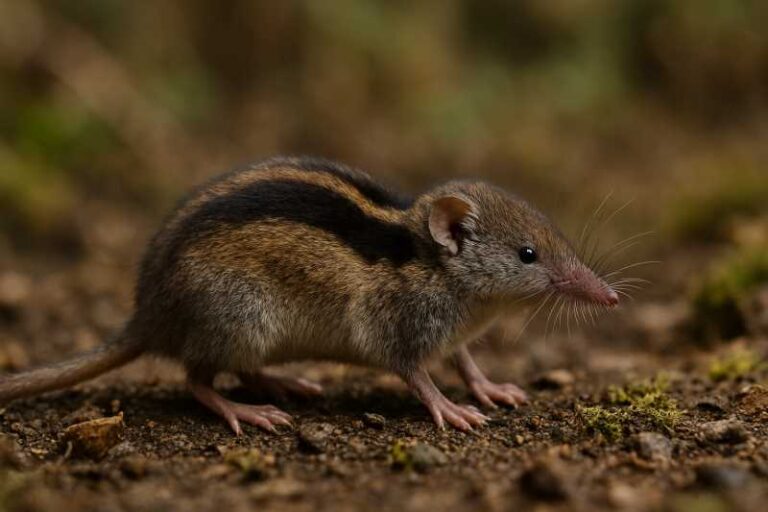
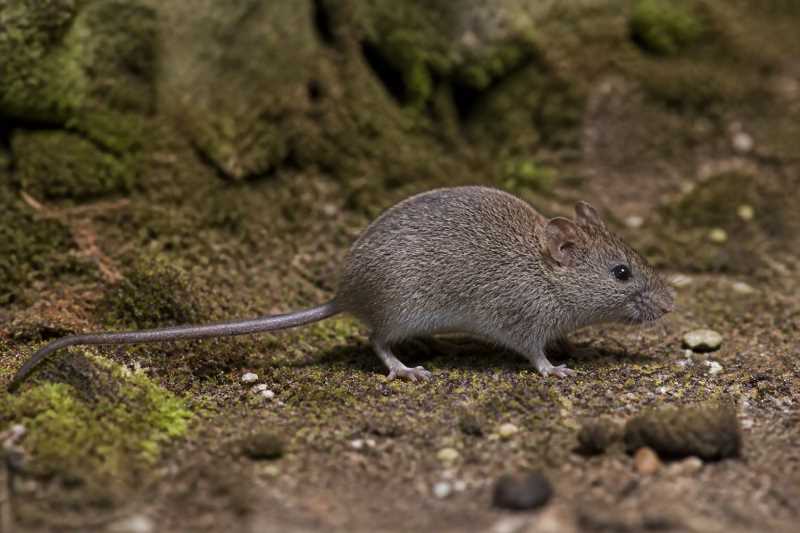
The Saint Vincent Pygmy Rice Rat is a small rodent characterized by its diminutive size and delicate features. Adult individuals typically weigh between 20 to 30 grams and measure approximately 150 to 180 millimeters in total length, including the tail. The fur of the Saint Vincent Pygmy Rice Rat is soft and dense, with a coloration that ranges from grayish-brown on the dorsal side to a paler, whitish hue on the ventral side. Its ears are small and rounded, while the eyes are relatively large, adapted for nocturnal activity. The tail, often slightly longer than the body, is covered in fine hair and serves as an important tool for balance and navigation through its arboreal habitat.
Range and Habitat
The Saint Vincent Pygmy Rice Rat is found exclusively on the island of Saint Vincent, part of the Windward Islands in the Caribbean. Its range is limited to the island’s montane and rainforest regions, where it inhabits dense vegetation and forest undergrowth. These forests provide the essential cover and resources needed for the rat’s survival, including food, nesting materials, and protection from predators. The species shows a preference for areas with abundant ground cover and a diverse understory, relying on the complex structure of these environments to forage and evade threats. The altitudinal range of the Saint Vincent Pygmy Rice Rat extends from sea level to the higher elevations of the island’s central mountains.
Behavior and Diet
The Saint Vincent Pygmy Rice Rat is primarily nocturnal, with peak activity occurring during the twilight hours. This behavior likely helps it avoid daytime predators and the intense heat of the Caribbean sun. Its diet is omnivorous, comprising a wide range of plant and animal matter. Seeds, fruits, and insects form the bulk of its dietary intake, while it occasionally consumes small invertebrates and other available food sources. This dietary flexibility allows the rat to adapt to seasonal changes in food availability, a crucial factor in its survival within the dynamic rainforest ecosystem.
The species is known for its solitary nature, with individuals typically foraging alone rather than in groups. Communication among Saint Vincent Pygmy Rice Rats is achieved through vocalizations, scent marking, and body language. Breeding occurs year-round, with females giving birth to litters of 2 to 4 young after a gestation period of around 20 to 25 days. The young are weaned within a month, reaching sexual maturity shortly thereafter, which facilitates rapid population growth under favorable conditions.
Identification Tips (Field Recognition Cues)
Identifying the Saint Vincent Pygmy Rice Rat in the field requires keen observation and familiarity with its distinguishing features. Key identification tips include:
- Size and Shape: The small size and slender build of the Saint Vincent Pygmy Rice Rat are distinguishing factors. Observers should look for a rodent with a body length of approximately 8 to 10 centimeters, not including the tail.
- Coloration: The fur’s grayish-brown dorsal surface contrasts with the lighter, almost white underside. This coloration provides effective camouflage against the forest floor.
- Tail: The tail is notably longer than the body and is sparsely haired, aiding in balance and agility as the rat navigates its environment.
- Behavior: Observations during dusk or night increase the likelihood of encountering this nocturnal species. Listen for soft rustling sounds in the underbrush, indicative of its presence.
- Habitat Preference: Focus searches in dense, humid forest areas with substantial ground cover, as these are the preferred habitats of the Saint Vincent Pygmy Rice Rat.
Conservation Status (With Threats and Protections)
The Saint Vincent Pygmy Rice Rat is currently classified as Critically Endangered by the International Union for Conservation of Nature (IUCN). The primary threats to its survival include habitat destruction, invasive species, and climate change. Deforestation for agriculture and development has significantly reduced its natural habitat, while introduced predators such as cats and rats pose significant risks to its population.
Conservation efforts are focused on habitat preservation and restoration, as well as controlling invasive species. The establishment of protected areas on Saint Vincent provides a refuge for the species, while conservationists work to raise awareness and implement strategies to mitigate human impact. Research into the ecology and behavior of the Saint Vincent Pygmy Rice Rat is ongoing, providing critical data to inform conservation strategies.
Frequently Asked Questions
Q1: What is the primary diet of the Saint Vincent Pygmy Rice Rat? A1: The Saint Vincent Pygmy Rice Rat is omnivorous, feeding on seeds, fruits, insects, and occasionally small invertebrates. Its diet varies with seasonal availability.
Q2: How can I identify a Saint Vincent Pygmy Rice Rat in the wild? A2: Look for a small rodent with grayish-brown fur, a white underside, and a tail longer than its body. They are usually found in dense, humid forests.
Q3: What are the main threats to the Saint Vincent Pygmy Rice Rat? A3: Habitat destruction, invasive species, and climate change are the primary threats, leading to its classification as Critically Endangered.
Q4: Is the Saint Vincent Pygmy Rice Rat active during the day? A4: No, this species is primarily nocturnal, with activity peaking during the twilight hours to avoid predators and heat.
Q5: What conservation measures are in place for the Saint Vincent Pygmy Rice Rat? A5: Conservation efforts include habitat protection, invasive species control, and the establishment of protected areas on Saint Vincent.
Related posts