Introduction
Behzad’s Brush-tailed Mouse, scientifically known as Calomyscus behzadi, is a captivating small mammal that belongs to the family Calomyscidae. This rodent is part of a genus commonly referred to as the brush-tailed mice, known for their distinctive tail characteristics and endearing appearance. Found primarily in Iran, Behzad’s Brush-tailed Mouse is a species that piques the interest of researchers and wildlife enthusiasts due to its unique ecological role and adaptations.
Physical Description
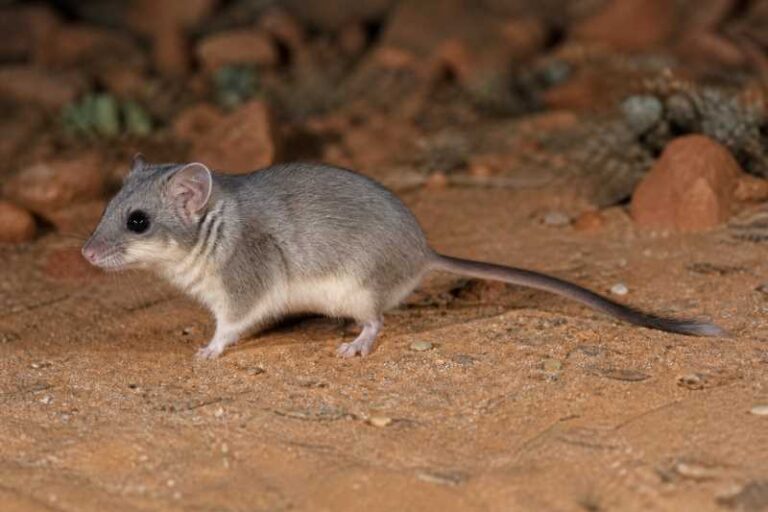
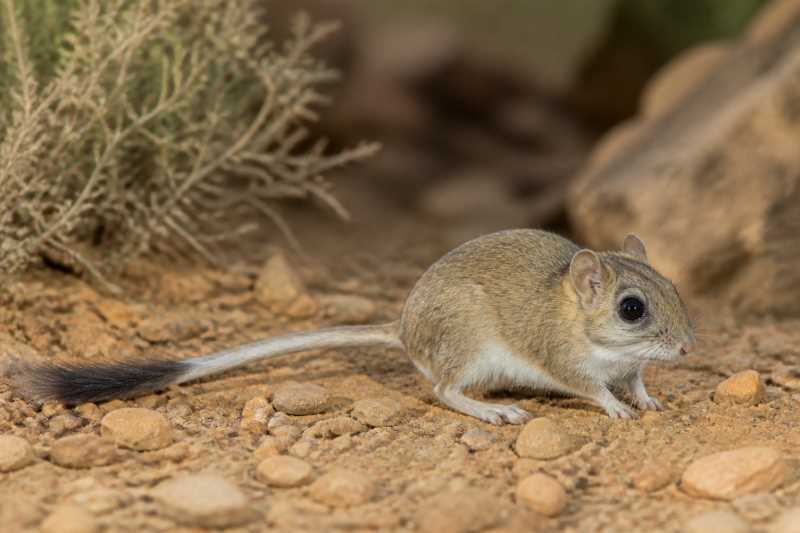
Behzad’s Brush-tailed Mouse is a small rodent with distinctive physical traits that make it easily identifiable. On average, these mice measure around 7 to 9 centimeters in body length, with their brush-like tails adding an additional 6 to 8 centimeters. The fur is soft and dense, typically exhibiting a light brown to grayish color on the dorsal side, which provides perfect camouflage against their rocky and arid habitats. The ventral side is usually lighter, ranging from off-white to a pale cream. One of the most distinguishing features of this species is its tail, which is adorned with a brush-like tuft of hair at the end, serving as a tool for balance and communication.
The head of Behzad’s Brush-tailed Mouse is characterized by large, dark eyes adapted for nocturnal activity, along with well-developed, rounded ears that enhance its auditory senses. The whiskers are long and sensitive, aiding in navigation through its environment. This rodent exhibits sexual dimorphism, although it is subtle, with males slightly larger than females.
Range and Habitat
Behzad’s Brush-tailed Mouse is predominantly found in the arid and semi-arid regions of Iran, with populations distributed in rocky landscapes and foothills. This species has adapted to survive in harsh climates where vegetation is sparse. Its habitat is typically characterized by rocky crevices, loose soil, and scattered shrubs, providing ample cover from predators and extreme weather conditions.
These mice are skilled climbers and often seek refuge in rocky outcrops and burrows dug into the earth. The arid environment dictates their behavior and dietary habits, and they have developed a range of adaptations to thrive in such challenging conditions.
Behavior and Diet
Behzad’s Brush-tailed Mouse is primarily nocturnal, which allows it to avoid the daytime heat and reduce predation risks. During the night, these rodents are active foragers, using their keen sense of smell and touch to locate food. Their diet mainly consists of seeds, nuts, and occasionally green plant material, supplemented by insects and other small invertebrates when available.
These mice are known for their solitary and territorial behavior. Males and females establish and defend territories, marked by scent, to ensure access to resources. During the breeding season, which typically aligns with favorable environmental conditions, males and females may temporarily cohabit. After a gestation period of about 25 to 30 days, females give birth to a small litter, usually comprising two to four young.
Identification Tips
Identifying Behzad’s Brush-tailed Mouse in the field requires attention to specific cues:
- Tail: Look for the characteristic brush-like tuft at the end of the tail.
- Coloration: Observe the light brown to grayish dorsal fur and the contrasting lighter ventral side.
- Size: Note the small body size, typically around 7 to 9 centimeters in length.
- Habitat: These mice are often found in rocky and arid environments, making habitat a useful identification factor.
- Behavior: As nocturnal creatures, sightings are more common at night.
Conservation Status
Currently, Behzad’s Brush-tailed Mouse does not hold a specific conservation status according to the International Union for Conservation of Nature (IUCN). However, like many species inhabiting niche environments, they face threats that could potentially impact their populations. Habitat destruction due to human activities, such as agriculture and urbanization, poses a significant threat. Additionally, climate change may alter their habitat, impacting their ability to find food and shelter.
Efforts to protect Behzad’s Brush-tailed Mouse include habitat conservation and environmental education programs to raise awareness about the importance of preserving arid ecosystems. Further research is essential to monitor population trends and understand the ecological role of these mice within their habitats.
Frequently Asked Questions
How can I identify Behzad’s Brush-tailed Mouse in the wild?
Identifying Behzad’s Brush-tailed Mouse involves looking for their distinctive brush-like tail, small body size, and light brown to grayish fur. They are typically found in rocky, arid habitats.
What does Behzad’s Brush-tailed Mouse eat?
Their diet consists mainly of seeds, nuts, and occasionally green plant material. They may also consume insects and small invertebrates when available.
Where can I find Behzad’s Brush-tailed Mouse?
These mice are primarily found in Iran, inhabiting rocky landscapes and foothills in arid and semi-arid regions.
What threats do Behzad’s Brush-tailed Mice face?
Habitat destruction due to human activities, such as agriculture and urbanization, along with potential impacts from climate change, are significant threats to their populations.
Are Behzad’s Brush-tailed Mice endangered?
Currently, Behzad’s Brush-tailed Mouse does not hold a specific conservation status, but monitoring and conservation efforts are essential to ensure their survival.
Related posts