Introduction
The Mexican Long-nosed Armadillo (Dasypus mexicanus) is a fascinating mammal belonging to the order Cingulata. Known for its distinctive armor-like shell, this species is an integral part of the ecosystems it inhabits. Armadillos are often recognized for their unique appearance and fascinating behaviors, making them a subject of interest for both researchers and wildlife enthusiasts. This article delves into the various aspects of the Mexican Long-nosed Armadillo, including its physical characteristics, habitat, behavior, and conservation status.
Physical Description
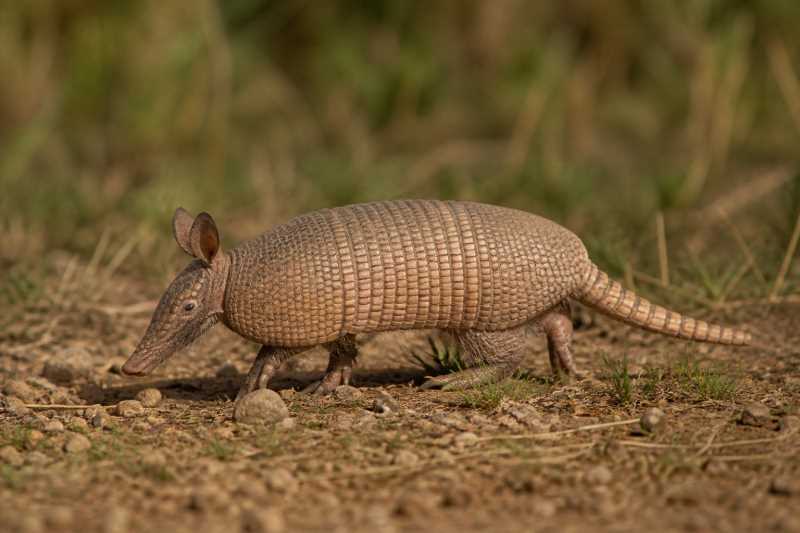
The Mexican Long-nosed Armadillo is a small to medium-sized mammal characterized by its elongated snout and protective bony armor. This armor consists of a series of bony plates covered in keratin, which provides the armadillo with protection against predators. Typically, the Mexican Long-nosed Armadillo measures between 40 to 60 centimeters in length, including its tail, and weighs around 3 to 6 kilograms.
The armadillo’s shell comprises three main parts: the carapace, the girdle bands, and the tail sheath. The carapace covers the back, while the girdle bands encircle the body, allowing flexibility and movement. The tail is also protected by bony rings. The coloration of the shell is usually grayish-brown, which helps with camouflage in their natural habitat.
The armadillo’s long nose is a notable feature that aids in foraging for food. Its small eyes and ears are adapted for its fossorial lifestyle, as it spends a significant amount of time burrowing and searching for insects and other invertebrates.
Range and Habitat
The Mexican Long-nosed Armadillo is primarily found in Mexico, with its range extending into Central America, including parts of Guatemala and Honduras. It inhabits a variety of environments, including semi-arid regions, grasslands, and forests. The armadillo is highly adaptable and can thrive in areas ranging from lowland tropical forests to mountainous regions.
This species prefers habitats with loose, well-drained soil that facilitates burrowing. Burrows serve as important shelters, protecting the armadillo from extreme weather conditions and predators. These burrows are often located near water sources, as the armadillo requires a humid environment to thrive.
Behavior and Diet
Mexican Long-nosed Armadillos are primarily nocturnal, spending their nights foraging for food and their days resting in burrows. They are solitary creatures, only coming together during the breeding season. Their diet consists mainly of insects, small vertebrates, and plant matter. Using their long snouts and strong claws, they dig into the ground to uncover ants, termites, grubs, and other invertebrates.
The armadillo’s sense of smell is highly developed, allowing it to detect prey hidden underground. Despite their armor, they are agile diggers and can quickly excavate soil to reach their food. During the dry season, when insects are less abundant, Mexican Long-nosed Armadillos may also consume fruits and seeds to supplement their diet.
Identification Tips (Field Recognition Cues)
Identifying the Mexican Long-nosed Armadillo in the field requires attention to several key features:
- Shell Appearance: Look for the distinctive armor-like shell with bony plates. The shell is usually grayish-brown and provides a clear identification marker.
- Body Size and Shape: Note the size, typically between 40 to 60 centimeters including the tail, and the elongated body shape.
- Long Snout: The elongated snout is a characteristic feature, used for foraging.
- Behavior: Observe their activity patterns—primarily nocturnal and solitary.
- Burrow Presence: Look for burrows in well-drained soil; these are often a sign of armadillo activity.
Conservation Status (with Threats and Protections)
The Mexican Long-nosed Armadillo is currently classified as "Least Concern" by the International Union for Conservation of Nature (IUCN). However, it faces several threats that could impact its populations if not properly managed.
Threats
- Habitat Destruction: Deforestation and land development for agriculture and urbanization are significant threats that lead to habitat loss.
- Hunting and Poaching: In some areas, armadillos are hunted for their meat and shell, which are used in traditional crafts.
- Climate Change: Altered weather patterns can impact the availability of food and suitable habitats.
Protections
Efforts to protect the Mexican Long-nosed Armadillo include:
- Habitat Conservation: Establishing protected areas and reserves to ensure the preservation of natural habitats.
- Legislation: Enforcing laws that regulate hunting and protect wildlife.
- Public Awareness: Educating local communities about the ecological role of armadillos and promoting coexistence.
Frequently Asked Questions
1. What do Mexican Long-nosed Armadillos eat?
Mexican Long-nosed Armadillos primarily eat insects, such as ants and termites, but they also consume small vertebrates, fruits, and seeds, especially when insects are scarce.
2. Are Mexican Long-nosed Armadillos endangered?
Currently, the Mexican Long-nosed Armadillo is classified as "Least Concern," but habitat destruction and hunting pose potential risks to their population.
3. How can you identify a Mexican Long-nosed Armadillo in the wild?
You can identify them by their grayish-brown armored shell, elongated snout, and the presence of burrows in well-drained soil.
4. What habitats do Mexican Long-nosed Armadillos prefer?
They prefer environments with loose, well-drained soil for burrowing, such as grasslands, semi-arid regions, and forests.
5. Why are Mexican Long-nosed Armadillos important to the ecosystem?
They control insect populations, disperse seeds, and their burrowing activities help aerate the soil, contributing to ecosystem health.
Related posts