Greater Dwarf Shrew (Suncus lixa): A Comprehensive Guide
Introduction
The Greater Dwarf Shrew, scientifically known as Suncus lixa, is a small mammalian species belonging to the family Soricidae. This elusive creature is often overshadowed by its more prominent relatives but plays a crucial role in its ecosystem. Known for its minuscule size and remarkable adaptability, the Greater Dwarf Shrew is a fascinating subject for researchers and wildlife enthusiasts alike. This article delves into the various facets of this intriguing mammal, including its physical description, habitat, behavior, and conservation status.
Physical Description
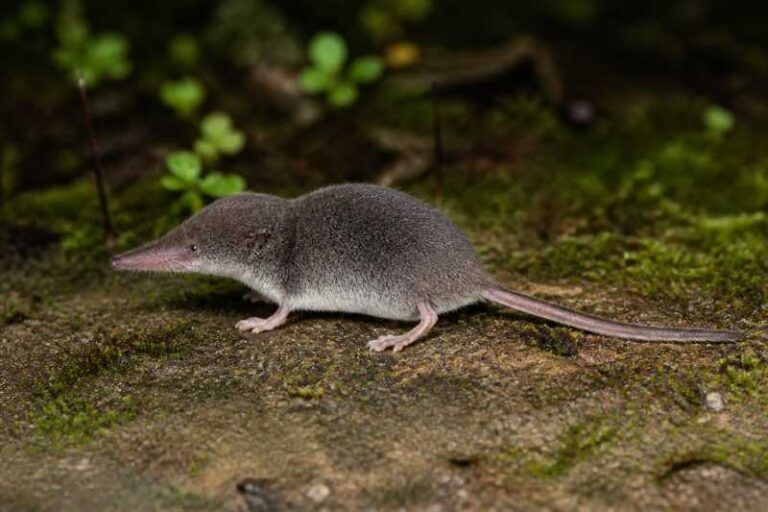
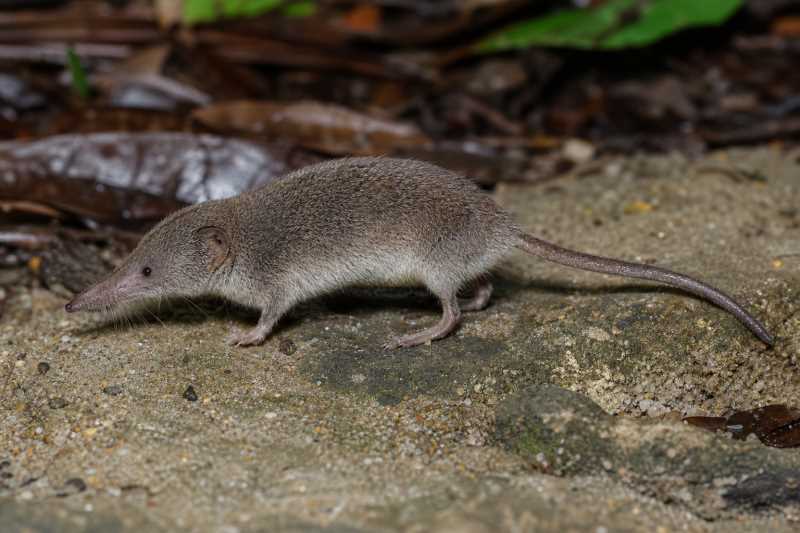
The Greater Dwarf Shrew is characterized by its diminutive stature, typically measuring between 5 to 7 centimeters in length, excluding the tail, which adds an additional 3 to 5 centimeters. Despite its small size, it exhibits a robust build with a weight range of 6 to 12 grams. The shrew’s fur is generally a muted gray or brown, providing effective camouflage against the forest floor and leaf litter.
One of the distinctive features of the Greater Dwarf Shrew is its elongated snout, which is equipped with highly sensitive whiskers. These whiskers play a vital role in navigation and foraging, allowing the shrew to detect minute movements of prey beneath leaves and soil. Additionally, its limbs are short but strong, designed for efficient burrowing and rapid movement across its habitat.
Range and Habitat
The Greater Dwarf Shrew is predominantly found in the tropical and subtropical regions of Africa, with its range extending across several countries, including Mozambique, Zimbabwe, and South Africa. It thrives in a variety of habitats, from moist forests and savannas to grasslands and shrublands. These shrews are particularly adept at adapting to both lowland and montane environments, showcasing their versatile nature.
Their habitat preference includes areas with abundant ground cover, such as leaf litter and fallen logs, which provide ample shelter and foraging opportunities. The Greater Dwarf Shrew is a terrestrial mammal, favoring the ground level for most of its activities, although it is capable of climbing short distances when necessary.
Behavior and Diet
The Greater Dwarf Shrew is primarily nocturnal, with peak activity occurring during the night. Its behavior is largely solitary, except during the mating season when interactions with potential mates occur. These shrews are highly territorial and utilize scent markings to delineate their territory and communicate with other individuals.
In terms of diet, the Greater Dwarf Shrew is an insectivore, feeding predominantly on insects and other small invertebrates. Its diet includes beetles, spiders, worms, and occasionally small vertebrates, such as lizards and amphibians. The shrew’s high metabolism necessitates frequent feeding, making foraging a significant part of its daily routine.
Identification Tips (Field Recognition Cues)
Identifying the Greater Dwarf Shrew in the field can be challenging due to its small size and elusive nature. However, there are several cues that can aid in recognition:
- Size and Shape: Look for a very small, mouse-sized mammal with a pointed snout and a slender, elongated body.
- Coloration: Note the shrew’s muted gray or brown fur, which may blend with the ground cover.
- Behavior: Observe for rapid, erratic movements, especially at dusk or dawn when the shrew is most active.
- Habitat Presence: Focus on areas with dense leaf litter and ground cover, where shrews are likely to forage.
Conservation Status (with Threats and Protections)
The conservation status of the Greater Dwarf Shrew is currently listed as Least Concern by the International Union for Conservation of Nature (IUCN). However, like many small mammal species, it faces threats from habitat destruction, primarily due to agricultural expansion and deforestation.
Predation by domestic animals and invasive species also poses a threat to their populations. Despite these challenges, the Greater Dwarf Shrew benefits from a relatively wide distribution, which aids in its resilience. Conservation efforts are focused on habitat protection and management, ensuring that natural ecosystems remain intact to support healthy shrew populations.
Frequently Asked Questions
Q1: What is the lifespan of a Greater Dwarf Shrew? A1: The average lifespan of a Greater Dwarf Shrew in the wild is approximately 1 to 2 years. This short lifespan is offset by a high reproductive rate.
Q2: How does the Greater Dwarf Shrew contribute to its ecosystem? A2: The Greater Dwarf Shrew plays a critical role in controlling insect populations, serving as a natural pest regulator. Its foraging activities also aid in soil aeration.
Q3: Are Greater Dwarf Shrews social animals? A3: No, Greater Dwarf Shrews are solitary creatures. They typically only interact with others during the mating season.
Q4: What adaptations allow the Greater Dwarf Shrew to thrive in its environment? A4: Its adaptations include a keen sense of smell, sensitive whiskers for detecting prey, and a high metabolism that enables rapid energy use.
Q5: Can the Greater Dwarf Shrew be kept as a pet? A5: It is not advisable to keep Greater Dwarf Shrews as pets due to their specific dietary and environmental needs, which are difficult to replicate in captivity.
Related posts