Brazilian Gracile Opossum: An In-Depth Look at Gracilinanus microtarsus
Introduction
The Brazilian Gracile Opossum (Gracilinanus microtarsus) is a fascinating marsupial species native to South America. Known for its slender build and nocturnal habits, this small opossum is a member of the family Didelphidae, which includes most of the opossum species found in the Americas. Despite its relatively low profile, the Brazilian Gracile Opossum plays a crucial role in the ecosystems it inhabits. This article provides a comprehensive overview of the species, exploring its physical characteristics, habitat, behavior, and conservation status.
Physical Description
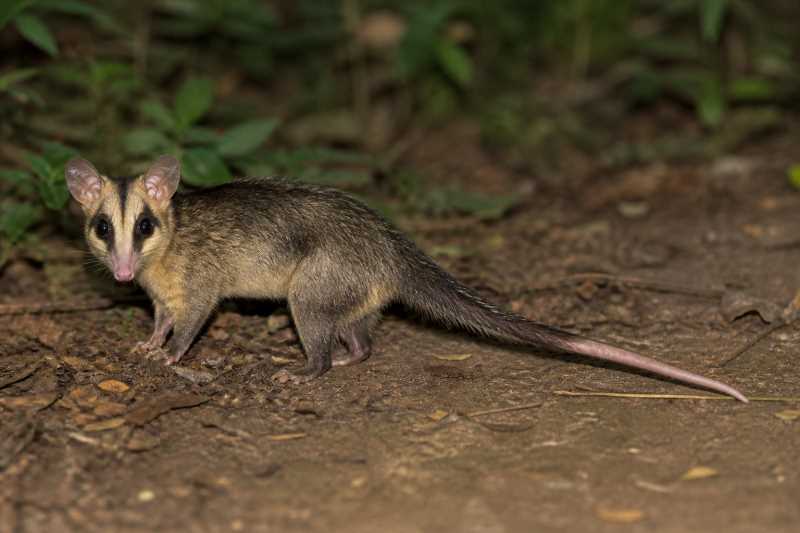
The Brazilian Gracile Opossum is a small marsupial, with adults typically weighing between 20 to 50 grams and measuring around 10 to 15 centimeters in body length, excluding the tail. The tail itself is nearly as long as the body, adding an additional 9 to 14 centimeters. This species is characterized by its slender, agile build, which aids in its arboreal lifestyle.
The fur of the Brazilian Gracile Opossum is soft and dense, with a grayish-brown coloration on the dorsal side and a lighter, cream-colored or white ventral side. One of the distinctive features of this opossum is its large, prominent eyes, which are adapted for nocturnal vision. The ears are relatively large and rounded, providing excellent hearing capabilities.
Range and Habitat
The Brazilian Gracile Opossum is primarily found in the Atlantic Forest biome of South America, with its range extending across Brazil, Paraguay, and northern Argentina. This species is predominantly arboreal, preferring dense forest environments where it can navigate the canopy with ease. It is commonly found in both primary and secondary forests, demonstrating a degree of adaptability to different forest conditions.
The opossum is also known to inhabit areas near human settlements, often taking advantage of gardens and plantations. Despite this adaptability, the species is sensitive to large-scale habitat destruction, which poses a significant threat to its survival.
Behavior and Diet
The Brazilian Gracile Opossum is nocturnal and solitary, spending most of its active hours searching for food. Its diet is omnivorous, consisting mainly of insects, small vertebrates, fruits, and nectar. The opossum’s ability to consume a diverse range of food items is key to its survival in the varying conditions of the Atlantic Forest.
This species exhibits interesting foraging behaviors, often using its prehensile tail to grasp branches as it searches for food. The tail also provides stability and balance when moving through the treetops. During the day, the opossum rests in nests made from leaves and twigs or in tree hollows.
Identification Tips
Identifying the Brazilian Gracile Opossum in the wild can be challenging due to its nocturnal habits and elusive nature. However, several field recognition cues can aid in its identification:
- Size and Shape: Look for a small, slender marsupial with a long tail and large eyes.
- Coloration: Note the grayish-brown dorsal fur and lighter ventral side.
- Behavior: Observe its nocturnal activity and arboreal movement, often seen navigating the canopy.
- Habitat: Focus on forested areas within its range, especially those with dense canopy cover.
Conservation Status
The Brazilian Gracile Opossum is currently classified as Least Concern by the International Union for Conservation of Nature (IUCN). However, the species faces several threats, primarily due to habitat loss from deforestation and agricultural expansion. The Atlantic Forest, its primary habitat, has been significantly reduced, leading to fragmentation and degradation of the environment.
Conservation efforts are crucial to protect this species and its habitat. Protected areas within the Atlantic Forest, along with reforestation projects and sustainable land-use practices, are essential for the opossum’s long-term survival.
Frequently Asked Questions
What is the primary diet of the Brazilian Gracile Opossum?
The Brazilian Gracile Opossum is an omnivore, primarily feeding on insects, small vertebrates, fruits, and nectar. Its diverse diet allows it to thrive in various environments within the Atlantic Forest.
How can I identify a Brazilian Gracile Opossum in the wild?
Look for a small, slender marsupial with a long, prehensile tail and large eyes. They are nocturnal and arboreal, typically found in dense forest canopies.
What are the major threats to the Brazilian Gracile Opossum?
The primary threats include habitat loss due to deforestation and agricultural expansion. The degradation and fragmentation of the Atlantic Forest pose significant risks to the species.
Is the Brazilian Gracile Opossum protected by any conservation laws?
Yes, the species benefits from conservation efforts within protected areas of the Atlantic Forest. There are ongoing initiatives focused on habitat preservation and reforestation.
Where can the Brazilian Gracile Opossum be found?
This opossum is native to the Atlantic Forest of South America, with its range covering parts of Brazil, Paraguay, and northern Argentina.
Related posts