Greater Large-headed Shrew (Paracrocidura maxima)
Introduction
The Greater Large-headed Shrew (Paracrocidura maxima) is a fascinating small mammal that belongs to the family Soricidae. This elusive creature is often overshadowed by its more famous relatives but plays a crucial role in the ecosystems it inhabits. Known for its distinct large head relative to its body, the Greater Large-headed Shrew has garnered interest among researchers and wildlife enthusiasts alike. Understanding its biology and ecology is essential for its conservation and the preservation of biodiversity.
Physical Description
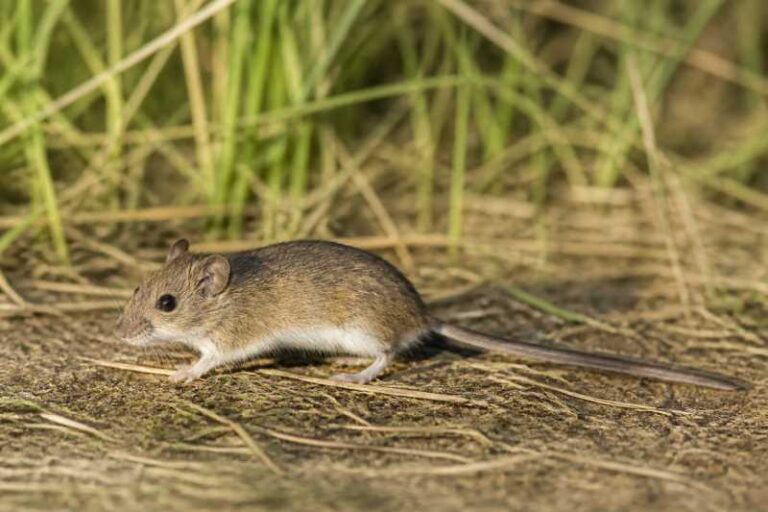
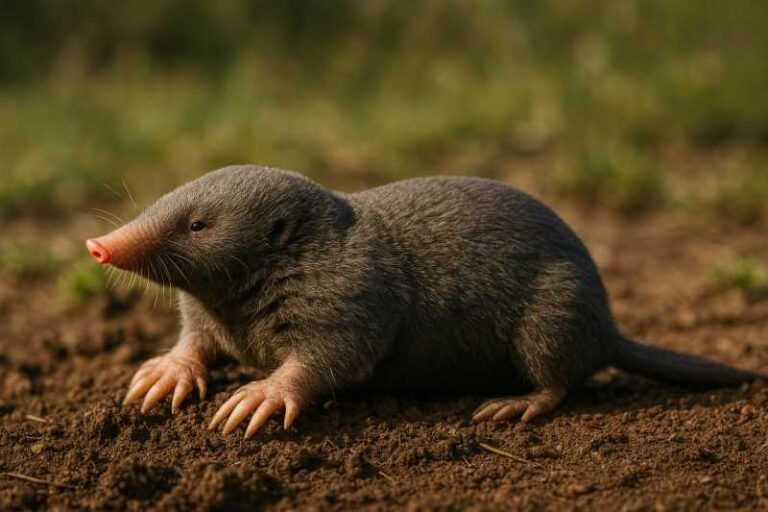
The Greater Large-headed Shrew is aptly named for its proportionally large head compared to other shrews. Adult shrews typically measure between 10 to 12 centimeters in length, with their tails accounting for about one-third of their total body length. They weigh approximately 8 to 15 grams. Their fur is dense and soft, usually appearing in shades of grey or brown, which provides excellent camouflage in their natural habitat.
The most distinctive feature of the Greater Large-headed Shrew is its large, rounded head with small eyes and ears. This morphological trait is not just for show; the large head houses a well-developed set of teeth adapted for their insectivorous diet. The shrew’s sharp and pointed snout is perfectly designed for probing into the soil and leaf litter to find prey.
Range and Habitat
The Greater Large-headed Shrew is primarily found in the montane forests of Central and East Africa. Its range includes countries such as Uganda, Rwanda, Burundi, and the Democratic Republic of Congo. This species thrives in high-altitude environments, typically between 1,500 to 3,000 meters above sea level. These regions offer a cool and moist climate, which is ideal for the shrew’s survival.
Their preferred habitat consists of dense undergrowth and forest floors rich in leaf litter and organic material. Such environments not only provide ample food resources but also offer protection from predators. The Greater Large-headed Shrew is a terrestrial animal, spending most of its life on the ground, although it is capable of climbing when necessary.
Behavior and Diet
Greater Large-headed Shrews are solitary and highly territorial animals. They establish small home ranges, which they defend aggressively against intruders. These shrews are primarily nocturnal, using the cover of darkness to forage for food while avoiding predators.
Their diet mainly consists of insects and other invertebrates, such as worms and small arthropods. The shrew’s acute sense of smell and hearing are vital for locating prey in the dark. They are known for their high metabolic rate, which necessitates frequent feeding to sustain their energy levels. During the day, they rest in nests constructed from dry leaves and grass, usually hidden under logs or dense foliage.
Identification Tips (Field Recognition Cues)
Identifying the Greater Large-headed Shrew in the field can be challenging due to its elusive nature and nocturnal habits. However, there are several key characteristics to look for:
- Size and Shape: Look for a small mammal with a disproportionately large head relative to its body.
- Coloration: Note the grey or brown fur, which may blend with the forest floor.
- Behavior: These shrews are active at night; signs of their presence include rustling sounds in leaf litter after dark.
- Footprints and Burrows: Small footprints and tiny burrows in soft soil can indicate the presence of a Greater Large-headed Shrew.
Conservation Status (with Threats and Protections)
The Greater Large-headed Shrew is currently listed as "Least Concern" on the IUCN Red List. However, this status does not imply that the species is free from threats. Habitat loss due to logging, agriculture, and human encroachment poses significant risks. Climate change also threatens their montane forest habitats by altering temperature and precipitation patterns.
Conservation efforts are focused on preserving their natural habitats through protected areas and sustainable land management practices. Education and awareness programs are essential to mitigate human impact and promote coexistence.
Frequently Asked Questions
1. What is the role of the Greater Large-headed Shrew in its ecosystem? The Greater Large-headed Shrew is an important insectivore, helping to control insect populations and thus maintaining ecological balance within its habitat.
2. How does the Greater Large-headed Shrew adapt to its environment? This shrew has adapted to its environment with a keen sense of smell and hearing, large incisors for hunting insects, and dense, camouflaged fur for protection.
3. Are Greater Large-headed Shrews endangered? Currently, they are not endangered but face threats from habitat destruction and climate change. Conservation measures are vital to ensure their long-term survival.
4. What are the breeding habits of the Greater Large-headed Shrew? Little is known about their breeding habits, but like many shrews, they likely have multiple litters per year with several young per litter.
5. Can Greater Large-headed Shrews be kept as pets? These shrews are wild animals with specific ecological needs and are not suitable for domestication or as pets.
Related posts