Introduction
The Least Roundleaf Bat, scientifically known as Hipposideros cineraceus, is a fascinating and lesser-known species of the Hipposideridae family. As a member of the diverse order Chiroptera, these bats play a critical role in their ecosystems, primarily as insectivores. Despite their small size, they exhibit unique behaviors and possess distinct physical characteristics that make them a subject of interest for bat researchers and enthusiasts alike. This article aims to provide a comprehensive overview of the Least Roundleaf Bat, including its physical description, habitat, behavior, and conservation status.
Physical Description
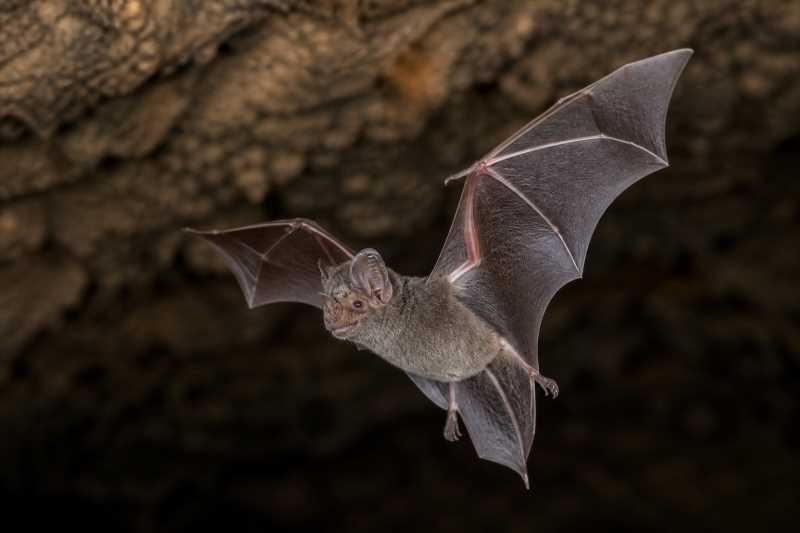
The Least Roundleaf Bat is aptly named for its distinctive roundleaf nose, a structure that aids in echolocation. This species is among the smaller members of the Hipposideros genus, with an average wingspan of approximately 22 to 25 centimeters and a body length ranging from 3.5 to 4.5 centimeters. They typically weigh between 3 to 5 grams. The fur of the Least Roundleaf Bat is generally a grayish color, giving it a somewhat smoky appearance, which is reflected in its species name "cineraceus," meaning ash-colored.
Their small size and light weight enable them to maneuver swiftly through dense foliage, which is essential for their insectivorous diet. A distinctive feature of these bats is their unique nose-leaf structure, which is not only a key identifier but also an adaptation that enhances their echolocation abilities.
Range and Habitat
Least Roundleaf Bats are distributed across South and Southeast Asia. They have been documented in countries like India, Nepal, Bangladesh, Myanmar, Thailand, Laos, Vietnam, and parts of southern China. They typically inhabit tropical and subtropical regions, preferring dense forests and areas with abundant foliage that provide ample insect prey.
During the day, these bats are known to roost in caves, old buildings, or dense forest canopies. They often choose locations that offer protection from predators and environmental elements. The microhabitats they select are crucial for their survival, providing both a place to rest and a strategic base for nightly foraging activities.
Behavior and Diet
The Least Roundleaf Bat is primarily nocturnal, emerging from its roosts at dusk to forage for food. Their diet mainly consists of insects, which they catch in flight using their highly developed echolocation abilities. The nose-leaf structure is believed to help in focusing the echolocation calls, allowing them to detect and capture prey with remarkable precision.
These bats exhibit solitary behavior for most of the year, although they are known to form small colonies, especially during the breeding season. Communication among individuals is facilitated through a range of vocalizations, which are also used in mating rituals. Their echolocation calls are ultrasonic and beyond the hearing range of most humans, but they play a crucial role in navigation and prey detection.
Identification Tips
Identifying the Least Roundleaf Bat in the field can be challenging due to their small size and nocturnal habits. However, certain characteristics can aid in recognition:
- Nose-leaf Structure: Look for the distinctive roundleaf nose, a key feature of this species.
- Fur Color: Their grayish, ash-colored fur is a notable identifier.
- Size: Their small size, with a wingspan of 22-25 cm and a body length of 3.5-4.5 cm, distinguishes them from larger bat species.
- Echolocation Calls: Although not audible to the human ear, specialized equipment can detect their ultrasonic echolocation calls.
Conservation Status
The International Union for Conservation of Nature (IUCN) currently lists the Least Roundleaf Bat as "Least Concern." Despite this, the species faces several threats that could impact its population in the future. Habitat loss due to deforestation, urban expansion, and agricultural development poses significant risks. Additionally, the use of pesticides can reduce their insect prey, indirectly affecting their survival.
Conservation efforts are primarily focused on habitat preservation and reducing pesticide usage. Protected areas and wildlife reserves play a crucial role in maintaining suitable habitats for these bats. Continued research and monitoring are essential to ensure that any population changes are promptly addressed, keeping this species out of threat categories.
Frequently Asked Questions
1. What is the primary diet of the Least Roundleaf Bat?
The Least Roundleaf Bat primarily feeds on insects. Their diet consists mostly of moths, beetles, and other small insects, which they capture in flight using echolocation.
2. Where can I find the Least Roundleaf Bat?
These bats are found in South and Southeast Asia, including countries like India, Nepal, Myanmar, and parts of southern China. They prefer tropical and subtropical forests.
3. How do Least Roundleaf Bats use echolocation?
Least Roundleaf Bats use echolocation by emitting ultrasonic calls through their nose-leaf structure. These calls bounce off objects and return, helping the bats navigate and locate prey.
4. Are Least Roundleaf Bats endangered?
Currently, the Least Roundleaf Bat is listed as "Least Concern" by the IUCN. However, habitat loss and environmental changes could pose future threats to their populations.
5. What is unique about the Least Roundleaf Bat’s nose?
The nose-leaf structure of the Least Roundleaf Bat is unique and aids in echolocation. It helps in focusing their calls, making their echolocation more effective in detecting prey.
Related posts