Cantor’s Roundleaf Bat (Hipposideros galeritus): An In-Depth Look
Introduction
Cantor’s Roundleaf Bat, scientifically known as Hipposideros galeritus, is a fascinating mammal species belonging to the family Hipposideridae. Known for its distinctive nose-leaf structure, this bat plays a critical role in its ecosystem, primarily through insect control. Despite its ecological importance, relatively little is known about this elusive bat, making it a subject of interest for researchers and wildlife enthusiasts alike. This article aims to provide a comprehensive overview of Cantor’s Roundleaf Bat, covering its physical characteristics, habitat, behavior, and conservation status.
Physical Description
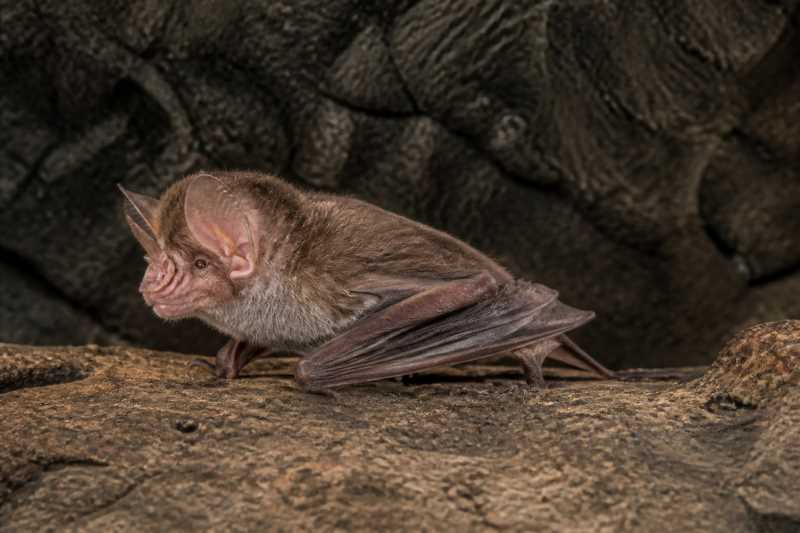
Cantor’s Roundleaf Bat is a small to medium-sized bat species characterized by its unique nose structure, known as a nose-leaf, which resembles a round leaf. This feature is not only distinctive but also plays a vital role in echolocation, helping the bat navigate and hunt insects at night.
The bat’s fur is typically a brownish-gray color, blending seamlessly with its natural surroundings. The fur is soft and dense, providing insulation and aiding in camouflage. The wings are long and narrow, adapted for agile and fast flight, which is essential for catching prey mid-air.
The average body length of Cantor’s Roundleaf Bat ranges from 4 to 6 centimeters, with a wingspan of approximately 20 to 25 centimeters. The weight of this bat is relatively light, usually between 10 to 15 grams, allowing for quick and agile movements.
Range and Habitat
Cantor’s Roundleaf Bat is primarily found in Southeast Asia, with its range extending across countries such as Thailand, Malaysia, Indonesia, and parts of the Philippines. This bat prefers tropical and subtropical climates, thriving in lush forests and areas with abundant insect populations.
These bats are typically found roosting in caves, tree hollows, and occasionally in man-made structures. They prefer humid environments that provide both shelter and a steady supply of food. The availability of suitable roosting sites is crucial for their survival, as these bats are highly sensitive to habitat disturbance.
Behavior and Diet
Cantor’s Roundleaf Bat is a nocturnal creature, meaning it is active primarily during the night. Its behavior is largely influenced by the need to hunt and feed on insects, which constitute the majority of its diet. Using echolocation, the bat emits high-frequency sounds that bounce off objects, helping it to detect and capture prey.
The diet of Cantor’s Roundleaf Bat mainly consists of moths, beetles, and other flying insects. This insectivorous diet is crucial for controlling pest populations, making the bat an important component of its ecosystem.
Socially, these bats are known to form colonies, often roosting in large groups. This social structure provides protection and facilitates breeding. The breeding season typically coincides with periods of abundant food supply, ensuring that the young have the best chance of survival.
Identification Tips (Field Recognition Cues)
Identifying Cantor’s Roundleaf Bat in the field can be challenging due to its small size and nocturnal habits. However, several key features can aid in recognition:
- Nose-Leaf Structure: The roundleaf nose is the most distinctive feature, aiding both in identification and echolocation.
- Coloration: Look for the characteristic brownish-gray fur, which helps the bat blend into its surroundings.
- Flight Pattern: Observing the bat’s flight can provide clues, as it exhibits agile and fast movements, typical of insectivorous bats.
- Roosting Sites: Check caves and tree hollows in tropical and subtropical forests, which are preferred roosting sites.
Conservation Status (With Threats and Protections)
Cantor’s Roundleaf Bat is currently listed as Near Threatened on the IUCN Red List. The primary threats to this species include habitat loss due to deforestation, agricultural expansion, and human encroachment. Additionally, disturbances at roosting sites, such as cave tourism and mining, pose significant risks.
Conservation efforts are crucial for the survival of this species. Protecting natural habitats and roosting sites is a priority, alongside raising awareness about the ecological importance of bats. Some regions have implemented protected areas to safeguard crucial habitats, but continuous monitoring and research are needed to ensure effective conservation.
Frequently Asked Questions
What do Cantor’s Roundleaf Bats eat?
Cantor’s Roundleaf Bats primarily feed on insects, such as moths and beetles, using echolocation to hunt during the night.
Where can you find Cantor’s Roundleaf Bats?
These bats are found in Southeast Asia, particularly in countries like Thailand, Malaysia, Indonesia, and the Philippines, in tropical and subtropical forests.
How does the nose-leaf structure help Cantor’s Roundleaf Bats?
The nose-leaf structure aids in echolocation, allowing the bat to emit and receive sound waves to navigate and locate prey efficiently.
What are the major threats to Cantor’s Roundleaf Bats?
The main threats include habitat loss due to deforestation, disturbance at roosting sites, and human encroachment on their natural habitats.
How can we help conserve Cantor’s Roundleaf Bats?
Conservation can be supported by protecting natural habitats, establishing protected areas, and promoting awareness about the ecological role of bats.
Related posts