Introduction
Beccari’s Free-tailed Bat, scientifically named Ozimops beccarii, is a fascinating species that hails from the family Molossidae. Known for its swift flight and distinct tail structure, this bat species has captured the interest of zoologists and bat enthusiasts alike. In this article, we delve into the various aspects that make Beccari’s Free-tailed Bat unique, from its physical characteristics to its ecological role.
Physical Description
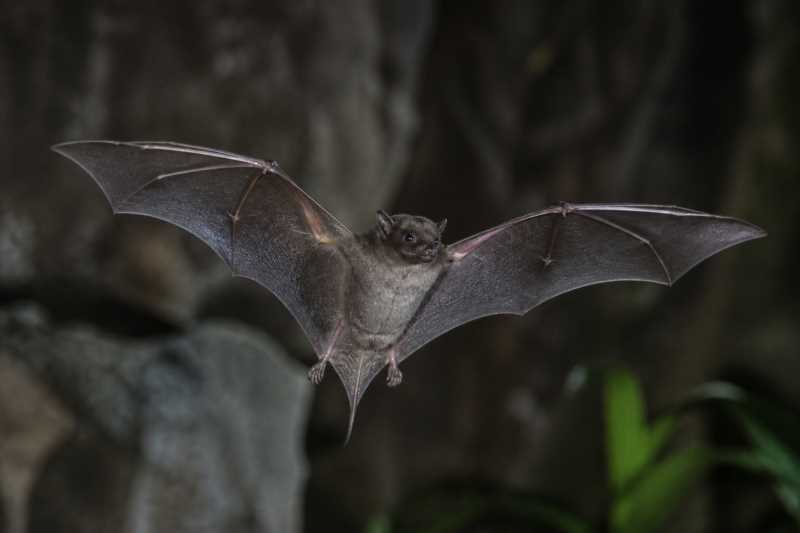
Beccari’s Free-tailed Bat is a small to medium-sized bat characterized by its robust body and distinctive tail that extends beyond the interfemoral membrane, a typical feature of free-tailed bats. Its fur is generally dark brown to black, providing effective camouflage in its natural habitat. The wings are long and narrow, adapted for rapid and agile flight.
The ears of Ozimops beccarii are moderately sized, providing excellent auditory capabilities essential for echolocation. This bat has a flattened skull, which is a typical adaptation seen in species that roost in narrow spaces. The dental formula and sharp teeth reflect its insectivorous diet, enabling it to efficiently capture and consume prey.
Range and Habitat
Beccari’s Free-tailed Bat is predominantly found in Australia, with a range extending across various landscapes, including woodlands, open forests, and even urban areas. They are highly adaptable, making use of natural structures like tree hollows and caves, as well as man-made structures for roosting.
The presence of Ozimops beccarii in diverse habitats highlights its adaptability and resilience. This species is often found in areas that provide ample food supply, particularly regions abundant with insects.
Behavior and Diet
The behavior of Ozimops beccarii is primarily nocturnal. These bats emerge at dusk, using their exceptional echolocation abilities to navigate and hunt. Their diet mainly consists of insects, making them a crucial part of the ecosystem in controlling insect populations.
Socially, Beccari’s Free-tailed Bats are known for forming colonies, which can range from small groups to large aggregations. Communication within these colonies is vital, with a complex system of vocalizations used to convey information among individuals.
Identification Tips (Field Recognition Cues)
Identifying Beccari’s Free-tailed Bat in the wild requires attention to several key characteristics:
- Tail Structure: Look for the distinctive free tail extending beyond the wing membrane.
- Flight Patterns: Observe their fast and agile flight, often in open spaces.
- Echolocation Calls: Use a bat detector to identify their specific frequency range.
- Roosting Habits: Search for them in tree hollows or buildings where they commonly roost.
Conservation Status (With Threats and Protections)
Beccari’s Free-tailed Bat is currently listed as Least Concern on the IUCN Red List. However, like many bat species, it faces threats from habitat destruction, climate change, and human disturbances.
Protection of their natural habitats is crucial. Efforts to conserve natural roosting sites and reduce pesticide use are beneficial for maintaining healthy populations of this bat species. Conservation organizations are actively working to monitor populations and ensure the sustainability of their habitats.
Frequently Asked Questions
1. What does Beccari’s Free-tailed Bat eat?
Beccari’s Free-tailed Bat primarily feeds on flying insects. Their diet includes moths, beetles, and other nocturnal insects, which they catch mid-flight using echolocation.
2. How does Beccari’s Free-tailed Bat contribute to the ecosystem?
These bats play a vital role in controlling insect populations, contributing to the balance of local ecosystems. Their presence helps reduce the number of agricultural pests naturally.
3. Where can I spot Beccari’s Free-tailed Bat?
You can find Beccari’s Free-tailed Bats in various habitats across Australia, including woodlands and urban areas. They are often seen at dusk as they begin their nightly foraging activities.
4. Are Beccari’s Free-tailed Bats endangered?
Currently, Beccari’s Free-tailed Bat is not endangered, but ongoing habitat monitoring and conservation efforts are essential to prevent future decline.
5. What is unique about the flight of Beccari’s Free-tailed Bat?
Their flight is notably fast and agile, allowing them to efficiently hunt and capture insects in open spaces, which is a distinctive behavior among free-tailed bats.
Related posts