Common Dusky Roundleaf Bat (Hipposideros ater): A Comprehensive Guide
Introduction
The Common Dusky Roundleaf Bat, scientifically known as Hipposideros ater, is a fascinating member of the Hipposideridae family. Known for its distinctive roundleaf nose, this bat species plays a crucial role in its ecosystem as a nocturnal insectivore. Despite its relatively small size, the Common Dusky Roundleaf Bat is an important biological control agent for insect populations. Understanding its physical characteristics, habitat preferences, and behavior provides insight into the ecological significance of this intriguing mammal.
Physical Description
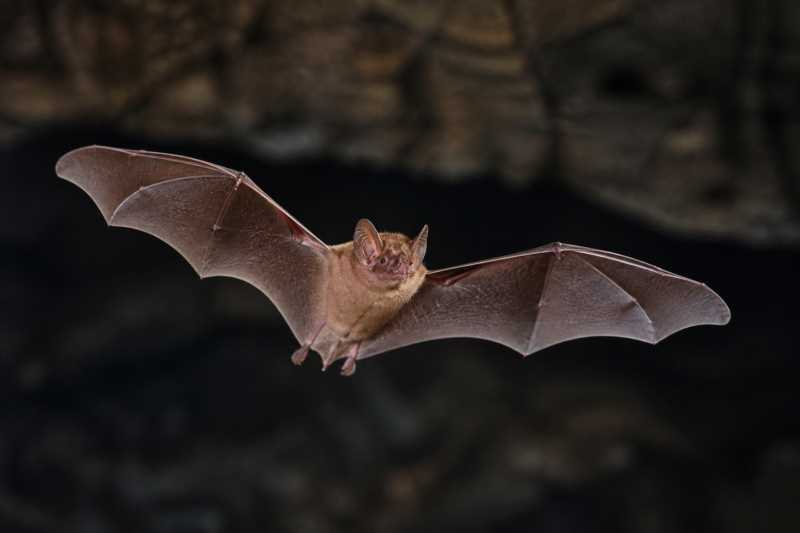
The Common Dusky Roundleaf Bat is a small to medium-sized bat, with adults typically weighing between 5 to 15 grams and possessing a wingspan of approximately 30 centimeters. Its fur is generally a dusky brown or grayish color, providing excellent camouflage against the bark and foliage of its natural habitat. A distinctive feature of this species is its roundleaf-shaped nose, which is part of a sophisticated echolocation system that facilitates navigation and hunting in the dark.
The roundleaf structure of the nose is not just for show; it plays a critical role in the bat’s echolocation abilities. This structure helps focus the sound waves emitted by the bat, allowing it to detect prey and navigate through dense vegetation with precision. The ears are large and rounded, further enhancing its auditory capabilities, which are vital for both communication and hunting.
Range and Habitat
The Common Dusky Roundleaf Bat is widely distributed across Southeast Asia, with populations found in countries such as India, Sri Lanka, Thailand, Malaysia, Indonesia, and the Philippines. This bat species prefers tropical and subtropical environments, thriving in a variety of habitats including forests, caves, and even urban areas.
This adaptability to different habitats is one of the reasons for the bat’s widespread distribution. In forested areas, they are often found roosting in hollow trees, while in more urbanized regions, they may inhabit abandoned buildings or bridges. Caves, however, remain a preferred roosting site due to their stable microclimate and protection from predators.
Behavior and Diet
The Common Dusky Roundleaf Bat is predominantly nocturnal, emerging from its roost at dusk to forage for food. Its diet mainly consists of insects, with a preference for moths, beetles, and other flying insects. The bat uses echolocation to detect and capture its prey, employing rapid, high-frequency calls that bounce off objects and return as echoes to the bat’s sensitive ears.
Socially, these bats are known to form colonies, ranging from a few individuals to several hundred. Within these colonies, there is a complex social structure, often with a dominant male and several females. During the breeding season, which varies depending on geographic location, males engage in vocal displays and other behaviors to attract mates.
Identification Tips
Field recognition of the Common Dusky Roundleaf Bat can be challenging due to its small size and nocturnal habits. However, there are several key features that can aid in identification:
- Nose-leaf Structure: The roundleaf-shaped nose is a distinctive feature that sets it apart from other bat species.
- Fur Color: Typically dusky brown or gray, blending well with its environment.
- Echolocation Calls: The bat’s echolocation calls are rapid and high-pitched, audible only with the aid of a bat detector.
- Roosting Behavior: Commonly found in caves, hollow trees, or abandoned structures.
Conservation Status
The IUCN currently classifies the Common Dusky Roundleaf Bat as Least Concern, indicating that the species is not presently at significant risk of extinction. However, habitat loss due to deforestation and urban expansion poses ongoing threats to its population. Additionally, the disturbance of roosting sites, particularly caves, can have detrimental effects on local populations.
Conservation efforts for this species focus on habitat protection and the establishment of protected areas. Education and awareness campaigns are also vital, as they help reduce human disturbances at roosting sites and promote the importance of bats in ecosystems.
Frequently Asked Questions
1. What is the primary diet of the Common Dusky Roundleaf Bat?
The Common Dusky Roundleaf Bat primarily feeds on insects, with a preference for moths, beetles, and other flying insects. It uses echolocation to detect and capture its prey, which it hunts during the night.
2. Where can the Common Dusky Roundleaf Bat be found?
This bat species is widely distributed across Southeast Asia, including countries like India, Sri Lanka, Thailand, Malaysia, Indonesia, and the Philippines. It inhabits tropical and subtropical forests, caves, and urban areas.
3. How does the Common Dusky Roundleaf Bat navigate in the dark?
The bat uses echolocation, emitting high-frequency calls that bounce off objects and return as echoes. The roundleaf structure of its nose and large ears enhance its ability to detect these echoes, allowing it to navigate and hunt effectively in the dark.
4. What are the main threats to the Common Dusky Roundleaf Bat?
The main threats include habitat loss due to deforestation and urban development, as well as disturbances to roosting sites. Conservation efforts focus on habitat protection and minimizing human disturbances.
5. How can I identify a Common Dusky Roundleaf Bat in the field?
Identification can be aided by noting its roundleaf-shaped nose, dusky brown or gray fur, and its rapid, high-pitched echolocation calls detectable with a bat detector. Observing their roosting behavior in caves or hollow trees can also provide clues.
Related posts