Yalden’s White-toothed Shrew (Crocidura yaldeni): A Comprehensive Guide
Introduction
Yalden’s White-toothed Shrew (Crocidura yaldeni) is a fascinating and relatively lesser-known species within the diverse Soricidae family. First described in the late 20th century, this shrew has captured the interest of mammalogists and wildlife enthusiasts alike due to its unique behavioral patterns and ecological significance. As a member of the genus Crocidura, Yalden’s White-toothed Shrew contributes to the rich tapestry of biodiversity within its native range. This article delves into various aspects of this intriguing mammal, including its physical characteristics, habitat preferences, dietary habits, and conservation status.
Physical Description
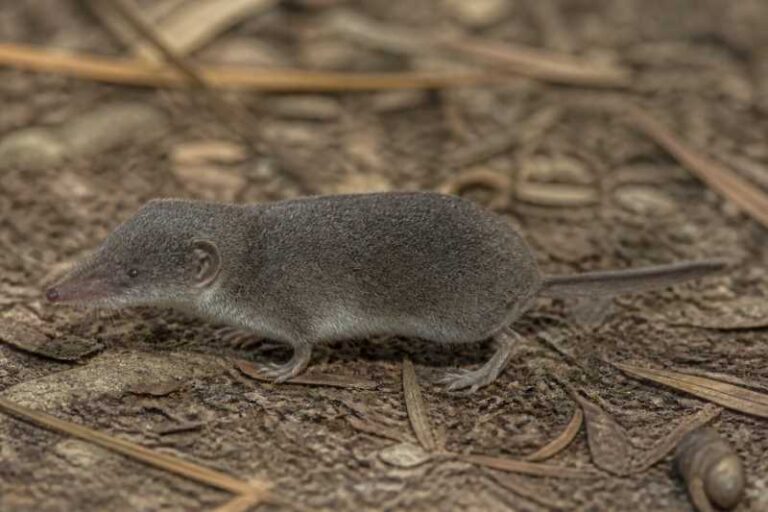
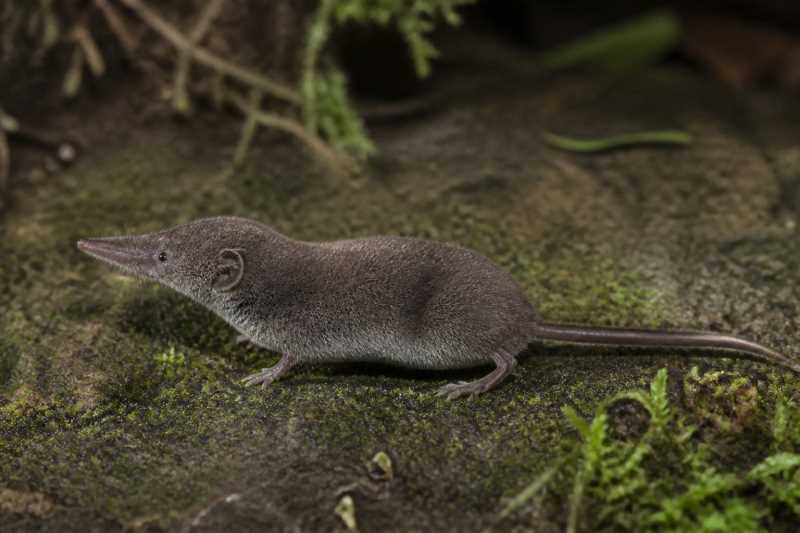
Yalden’s White-toothed Shrew is a small mammalian species characterized by its sleek, elongated body and pointed snout. Typically measuring between 60 to 85 millimeters in body length, with an additional tail length of 40 to 55 millimeters, this shrew is diminutive compared to other members of its genus. One of its defining features is the presence of white-tipped teeth, a trait that not only aids in species identification but also distinguishes it from the more common red-toothed varieties.
The fur of the Yalden’s White-toothed Shrew is soft and dense, providing adequate insulation against varying temperatures within its habitat. The dorsal side usually displays a muted grayish-brown hue, while the ventral side is lighter, often appearing off-white or pale gray. Its small, rounded ears and tiny, bead-like eyes are adapted for its primarily nocturnal lifestyle, enhancing its ability to navigate and forage in low-light conditions.
Range and Habitat
Crocidura yaldeni is primarily found in the highlands of Ethiopia, particularly in regions characterized by montane forests and grasslands. The shrew’s distribution is limited to elevations above 2,500 meters, where it thrives in cool, moist environments. This restricted range makes it a species of interest, as its survival is closely tied to the ecological health of these high-altitude habitats.
The habitat of Yalden’s White-toothed Shrew is typically marked by dense ground cover, abundant leaf litter, and a rich diversity of invertebrates, which constitute its primary food source. These environmental features not only provide the shrew with necessary sustenance but also offer protection from predators and harsh weather conditions.
Behavior and Diet
Yalden’s White-toothed Shrew is predominantly nocturnal, spending its nights actively foraging for food. Its diet primarily consists of various invertebrates, including insects, worms, and small arthropods, which it hunts using its acute sense of smell and hearing. The shrew’s metabolic rate is exceptionally high, necessitating frequent feeding to sustain energy levels.
Socially, this shrew species is relatively solitary, with interactions between individuals occurring mainly during the breeding season. Communication is believed to occur through a combination of vocalizations and scent markings, which help establish territory and facilitate mating.
Identification Tips (field recognition cues)
Recognizing Yalden’s White-toothed Shrew in the field can be challenging due to its elusive nature and small size. However, there are several key identification cues that can aid in its detection:
- Habitat Preference: Look for these shrews in high-altitude environments with dense vegetation and ample ground cover.
- Physical Characteristics: Note the distinctive white-tipped teeth and the contrast between the dark dorsal and lighter ventral fur.
- Behavioral Patterns: Observe nocturnal activity patterns and listen for their high-pitched vocalizations during nighttime foraging.
- Tracks and Droppings: Search for small, indistinct tracks and droppings amidst leaf litter, indicative of the shrew’s presence.
Conservation Status (with threats and protections)
Yalden’s White-toothed Shrew is currently classified as a species of Least Concern by the International Union for Conservation of Nature (IUCN). However, its limited range and specialized habitat requirements make it vulnerable to environmental changes. Threats to its survival include habitat loss due to agricultural expansion, deforestation, and climate change, which can alter the delicate balance of its montane ecosystem.
Conservation efforts aimed at protecting Crocidura yaldeni focus on preserving its natural habitat. This includes enforcing regulations on land use in highland areas and promoting sustainable agricultural practices that minimize habitat disruption. Additionally, ongoing research and monitoring are essential to better understand the species’ ecological needs and to develop effective conservation strategies.
Frequently Asked Questions
1. What is the primary diet of Yalden’s White-toothed Shrew?
Yalden’s White-toothed Shrew primarily feeds on invertebrates such as insects, worms, and small arthropods. Its high metabolic rate requires frequent feeding, especially during active nighttime foraging.
2. How does climate change affect Yalden’s White-toothed Shrew?
Climate change poses a significant threat to Yalden’s White-toothed Shrew by potentially altering its montane habitat. Changes in temperature and precipitation patterns could impact the availability of food sources and disrupt the ecosystem balance.
3. Are there conservation programs in place for Yalden’s White-toothed Shrew?
Yes, conservation programs aimed at protecting Yalden’s White-toothed Shrew focus on habitat preservation and sustainable land-use practices. Research and monitoring efforts are also crucial for understanding the species’ needs and ensuring its long-term survival.
4. How can Yalden’s White-toothed Shrew be distinguished from other shrew species?
Yalden’s White-toothed Shrew can be distinguished by its white-tipped teeth, small size, and specific habitat preferences in high-altitude Ethiopian environments.
5. What are the main threats to the habitat of Yalden’s White-toothed Shrew?
The main threats include habitat loss due to agricultural expansion, deforestation, and the impacts of climate change, which can alter the delicate montane ecosystem.
Related posts