Siberian White-toothed Shrew (Crocidura sibirica): A Comprehensive Guide
Introduction
The Siberian White-toothed Shrew, scientifically known as Crocidura sibirica, is a small but fascinating mammal that belongs to the Soricidae family. This enigmatic creature, primarily found in the vast expanses of Siberia, is an integral part of the ecosystem, contributing to the control of insect populations and serving as prey for larger predators. Despite its small size, the Siberian White-toothed Shrew plays a significant role in maintaining ecological balance. This article delves into the shrew’s physical characteristics, habitat, behavior, and conservation status, offering insights into how to identify this elusive species in the wild.
Physical Description
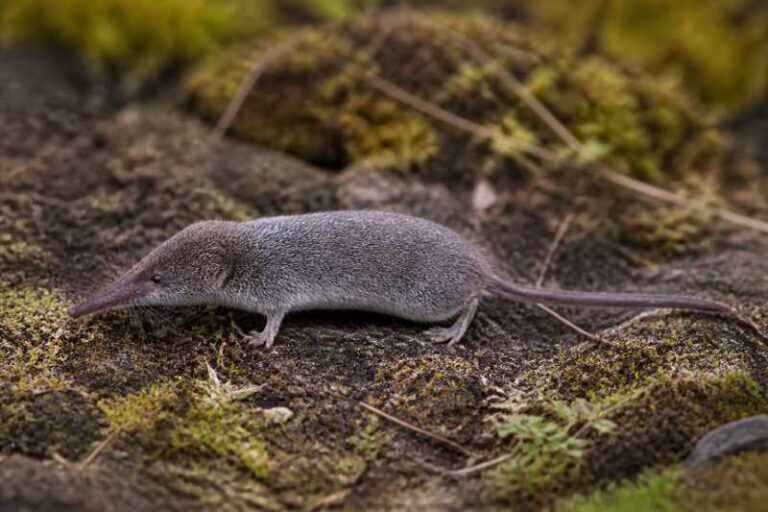
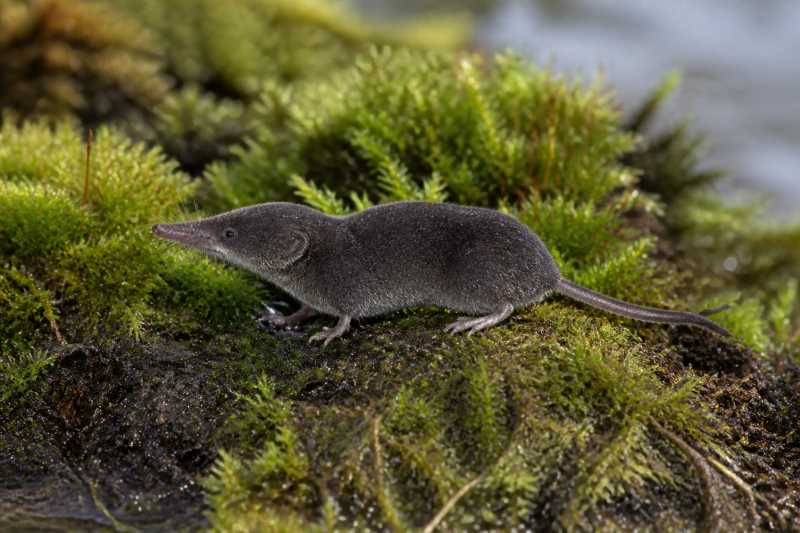
The Siberian White-toothed Shrew is characterized by its small stature, typically measuring between 5 to 7 centimeters in length, with a tail that extends an additional 3 to 4 centimeters. Weighing a mere 4 to 8 grams, this shrew is a lightweight contender in the mammalian world. Its fur is dense and velvety, providing insulation against the harsh Siberian climate. The coloration ranges from gray to brown, with a slightly lighter underbelly, which aids in blending with its natural surroundings.
One of the distinguishing features of the Siberian White-toothed Shrew is its dental structure. Unlike many other shrew species that possess pigmented teeth, this species has white teeth, hence the name "white-toothed." This feature is due to the lack of iron deposits in their teeth enamel, a characteristic shared with other members of the Crocidura genus. The shrew’s snout is elongated, ending with a sensitive nose that aids in foraging for food, while its small eyes and ears are adapted for life in dimly lit environments.
Range and Habitat
The Siberian White-toothed Shrew is predominantly found in the Palearctic region, with its range extending across Siberia and into parts of Mongolia and northern China. This species thrives in a variety of habitats, from dense forests and shrublands to open meadows and grasslands. It is particularly adapted to cold environments, often inhabiting areas with thick snow cover during the winter months.
Preferred habitats include areas with abundant ground cover, such as fallen leaves, logs, and dense vegetation, which provide both protection from predators and a rich supply of insects and other invertebrates. The shrew is known to be a versatile inhabitant, capable of living in both pristine and disturbed environments, such as agricultural lands and near human settlements, as long as there is sufficient food and cover.
Behavior and Diet
The Siberian White-toothed Shrew is primarily a solitary and nocturnal creature, although it can sometimes be active during the day. Its behavior is largely dictated by the need to feed frequently, as shrews have high metabolic rates. This species is insectivorous, with a diet that consists mainly of insects, spiders, and other small invertebrates. Occasionally, it may consume plant material or small vertebrates if available.
During the winter months, when food is scarce, the shrew may enter a state of torpor to conserve energy. This adaptation allows it to survive periods of extreme cold when foraging is difficult. The shrew is also known for its aggressive nature, especially when defending its territory or competing for food resources.
Identification Tips
Identifying the Siberian White-toothed Shrew in the field can be challenging due to its small size and elusive behavior. However, several key features can aid in its recognition:
- White Teeth: Unlike many other shrews with pigmented teeth, the Siberian White-toothed Shrew has distinct white teeth.
- Fur Coloration: Look for a small mammal with dense, gray to brown fur and a lighter underbelly.
- Size and Shape: Note the small body size, elongated snout, and relatively short tail.
- Habitat: This shrew is often found in areas with dense ground cover, particularly in cold and forested regions.
Conservation Status
According to the International Union for Conservation of Nature (IUCN), the Siberian White-toothed Shrew is currently listed as a species of "Least Concern." This classification is due to its wide distribution and presumed large population size. However, like many small mammals, it faces threats from habitat loss and fragmentation, primarily due to human activities such as deforestation and urbanization.
Climate change poses an additional threat, potentially altering the shrew’s habitat and food availability. Conservation efforts focus on habitat protection and monitoring population trends to ensure the species remains stable. The shrew benefits indirectly from conservation measures aimed at preserving larger ecosystems, which also support a variety of other wildlife species.
Frequently Asked Questions
What is the primary diet of the Siberian White-toothed Shrew?
The Siberian White-toothed Shrew primarily feeds on insects, spiders, and other small invertebrates. Occasionally, it may eat plant material or small vertebrates.
How can I identify a Siberian White-toothed Shrew in the wild?
Look for a small mammal with white teeth, dense gray to brown fur, and an elongated snout. They are typically found in cold, forested regions with dense ground cover.
Are Siberian White-toothed Shrews endangered?
Currently, the Siberian White-toothed Shrew is listed as "Least Concern" by the IUCN due to its broad distribution and stable population. However, habitat loss and climate change are potential threats.
Where are Siberian White-toothed Shrews commonly found?
They are commonly found across Siberia, Mongolia, and northern China, inhabiting forests, shrublands, meadows, and grasslands with abundant ground cover.
What adaptations help the Siberian White-toothed Shrew survive in cold climates?
The shrew has dense fur for insulation, enters torpor to conserve energy during extreme cold, and has a high metabolic rate to generate body heat.
Related posts