Dalquest’s Pocket Mouse (Chaetodipus ammophilus)
Introduction
Dalquest’s Pocket Mouse, scientifically known as Chaetodipus ammophilus, is a fascinating small mammal that inhabits the desert regions of North America. This species is a member of the family Heteromyidae, which includes other pocket mice and kangaroo rats. The name "Dalquest’s Pocket Mouse" honors the American zoologist Walter W. Dalquest, who made substantial contributions to the study of mammals. Despite its small size, this creature plays a crucial role in its ecosystem, primarily through seed dispersion and soil aeration. This article delves into the physical characteristics, habitat, behavior, and conservation of Dalquest’s Pocket Mouse, providing a comprehensive overview for enthusiasts and researchers alike.
Physical Description
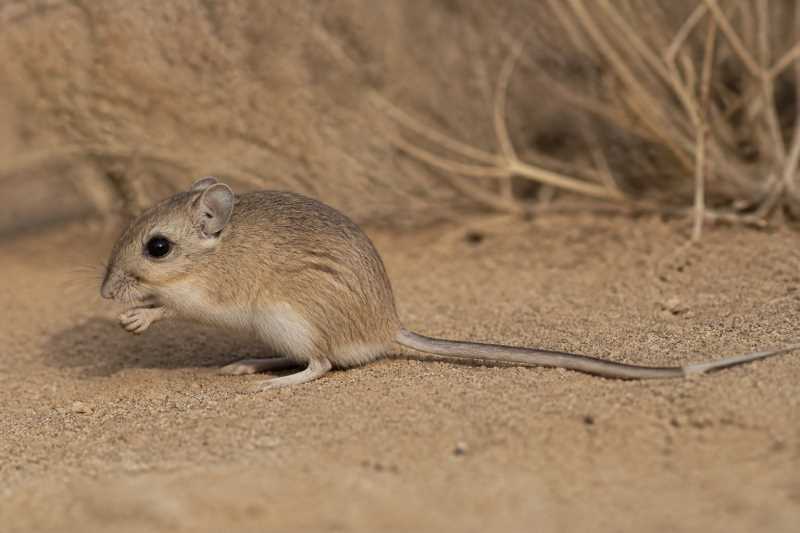
Dalquest’s Pocket Mouse is a small rodent, typically measuring between 170 to 210 mm in total length, including its tail. It weighs approximately 13 to 20 grams, making it one of the smaller members of its genus. This species has a distinctive appearance characterized by its soft, sandy-colored fur that provides excellent camouflage against the desert landscape. The ventral fur is lighter, often white or light gray, which may help in thermoregulation during extreme temperature fluctuations in its habitat.
One of the defining features of the pocket mouse family is the presence of fur-lined cheek pouches. These pouches are used for storing food, primarily seeds, which the mouse collects and transports back to its burrow. Dalquest’s Pocket Mouse has large, dark eyes and relatively small, rounded ears, adaptations that are typical for nocturnal animals. Its hind limbs are slightly longer than the front limbs, aiding in quick, hopping movements that help it evade predators.
Range and Habitat
Dalquest’s Pocket Mouse is primarily found in the Chihuahuan Desert, which stretches across northern Mexico and the southwestern United States, including parts of Texas and New Mexico. This desert ecosystem is characterized by arid conditions, sparse vegetation, and a variety of xerophytic plant species.
The preferred habitat of Chaetodipus ammophilus includes sandy, well-drained soils where it can easily dig and maintain complex burrow systems. These burrows are crucial for survival, providing shelter from predators and harsh environmental conditions. Additionally, the burrows play a role in maintaining a stable microclimate, which is essential for the mouse’s thermoregulation and moisture retention.
Behavior and Diet
Dalquest’s Pocket Mouse is primarily nocturnal, emerging from its burrow at night when temperatures are cooler. This nocturnal lifestyle reduces water loss and exposure to predators. During the day, the mouse remains in its burrow to avoid the intense heat of the desert sun.
The diet of Chaetodipus ammophilus mainly consists of seeds, which it collects and stores in its cheek pouches. This rodent is a crucial seed disperser, indirectly supporting plant regeneration in its arid environment. Occasionally, it may consume insects or green vegetation, providing a supplementary source of moisture and nutrients.
Behaviorally, Dalquest’s Pocket Mouse is solitary, with individuals maintaining exclusive territories. Communication among these mice is often through chemical signals and tactile interactions rather than vocalizations, which are rarely heard.
Identification Tips
Identifying Dalquest’s Pocket Mouse in the field requires careful observation of its distinctive features and behavior. Key identification tips include:
- Fur Coloration: Look for the sandy, buff-colored fur on the dorsal side, with lighter fur on the ventral side.
- Cheek Pouches: Note the presence of fur-lined cheek pouches, often visible when the mouse is foraging.
- Size: Measure approximately 170 to 210 mm in total length, including the tail.
- Behavior: Observations at night will likely yield sightings, as this species is nocturnal.
- Habitat: Search in arid, sandy environments typical of the Chihuahuan Desert.
Conservation Status
As of the latest assessments, Dalquest’s Pocket Mouse is not listed as endangered or threatened. However, its habitat faces several threats that could impact its populations in the future. Urban development, agricultural expansion, and climate change pose significant risks to the delicate desert ecosystems that these mice rely on.
Conservation efforts are focused on habitat preservation and mitigating human impacts. Protected areas and wildlife reserves within the Chihuahuan Desert help conserve the natural environment, providing safe havens for Dalquest’s Pocket Mouse and other native species. Continued research and monitoring are essential to ensure the long-term survival of this species.
Frequently Asked Questions
What adaptations help Dalquest’s Pocket Mouse survive in the desert?
Dalquest’s Pocket Mouse has several adaptations for desert survival, including nocturnal behavior to avoid daytime heat, fur-lined cheek pouches for food storage, and a specialized diet primarily consisting of seeds that provide water and nutrition.
How does Dalquest’s Pocket Mouse contribute to its ecosystem?
This species plays a vital role in seed dispersion, which aids in plant regeneration and ecosystem diversity. Its burrowing activities also contribute to soil aeration, promoting healthy soil conditions.
Can I keep a Dalquest’s Pocket Mouse as a pet?
While pocket mice can be kept as pets, it is important to note that they require specific care and naturalistic environments to thrive. Additionally, capturing wild specimens is often illegal and discouraged to protect wild populations.
What is the lifespan of Dalquest’s Pocket Mouse?
In the wild, Dalquest’s Pocket Mouse typically lives for about 1 to 2 years, although captive individuals may live slightly longer due to the absence of predators and controlled conditions.
Are there any predators that threaten Dalquest’s Pocket Mouse?
Common predators include owls, snakes, and small carnivorous mammals. The mouse’s nocturnal habits and burrowing behavior are key survival strategies to avoid these threats.
Related posts