Introduction
The Chinese Giant Flying Squirrel, scientifically known as Petaurista xanthotis, is a captivating species that has intrigued scientists and nature enthusiasts alike. This nocturnal mammal is renowned for its remarkable gliding abilities and striking appearance. The Chinese Giant Flying Squirrel is part of the Sciuridae family, which encompasses a diverse range of tree squirrels. Its unique adaptations and ecological role make it a fascinating subject of study, as well as a crucial component of its native ecosystems. In this article, we explore the numerous aspects of this remarkable species, from its physical characteristics and habitat preferences to its behavior, diet, and conservation status.
Physical Description
The Chinese Giant Flying Squirrel is among the largest of the flying squirrel species, with a body length ranging from 30 to 50 centimeters (approximately 12 to 20 inches) and a weight of up to 2.5 kilograms (about 5.5 pounds). Its tail, which is bushy and long, can add an additional 40 to 60 centimeters (16 to 24 inches) to its overall length, aiding in balance and steering during its glides.
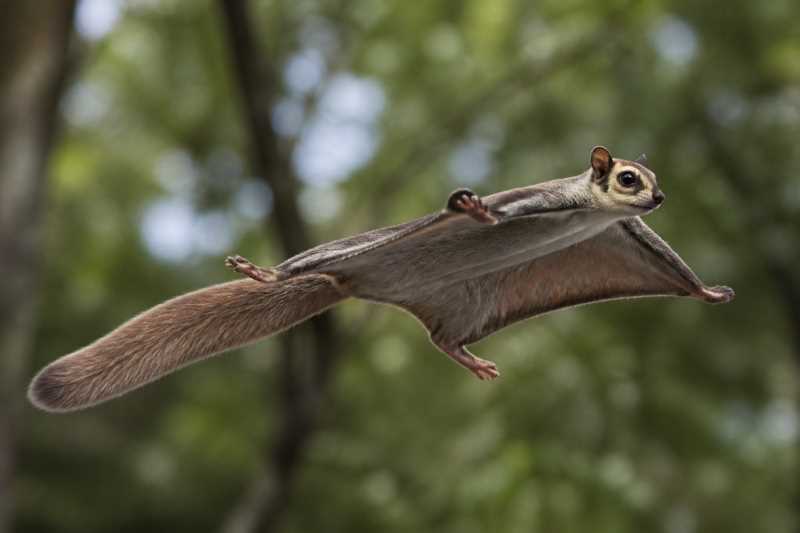
One of the most distinctive features of the Chinese Giant Flying Squirrel is its patagium, a membrane that stretches from its wrists to its ankles. This structure is crucial for its gliding prowess, allowing the squirrel to cover considerable distances between trees without descending to the ground. The patagium is typically covered in dense fur, which not only aids in flight but also provides insulation against cold temperatures.
The fur of Petaurista xanthotis is predominantly reddish-brown, with a lighter underbelly. The species’ name "xanthotis" is derived from Greek, meaning "yellow ear," which refers to the distinctive yellowish patches found on its ears. These vibrant ear markings are a key identification feature.
Range and Habitat
The Chinese Giant Flying Squirrel is predominantly found in the temperate forests of China. Its range extends across several provinces, including Sichuan, Yunnan, and Tibet, where it inhabits both coniferous and broadleaf forests. These regions provide the ideal environment for the squirrel, with ample tree cover and a diverse range of food sources.
The species thrives in high-altitude forests, typically between 1,500 to 3,500 meters (about 4,900 to 11,500 feet) above sea level. These environments offer the dense canopy cover necessary for gliding and the varied diet that sustains its lifestyle. The presence of mature trees is essential, as they provide nesting sites and serve as launch pads for gliding.
Behavior and Diet
The Chinese Giant Flying Squirrel is primarily nocturnal, spending its nights foraging and gliding from tree to tree in search of food. During the day, it rests in tree hollows or nests built from leaves and twigs. Its nocturnal habits help it avoid many ground-based predators and take advantage of the cooler night air for gliding.
Its diet is omnivorous, consisting mainly of leaves, fruits, seeds, and bark, but it may also consume insects and small vertebrates when available. The squirrel’s feeding habits play a vital role in seed dispersal, contributing to forest regeneration and maintaining ecosystem balance.
Identification Tips
Identifying the Chinese Giant Flying Squirrel in the wild can be challenging due to its nocturnal nature and forest habitat. However, several key characteristics can aid in its recognition:
- Large Size: As one of the largest flying squirrels, its substantial body size and long, bushy tail are distinguishing features.
- Patagium: Look for the presence of the gliding membrane when the squirrel is in motion.
- Ear Patches: The yellowish ear patches are a unique identifier.
- Coloration: Its reddish-brown fur with a lighter underbelly is characteristic.
- Habitat: Typically found in high-altitude forests, observing these environments can increase chances of sighting.
Conservation Status
The Chinese Giant Flying Squirrel is currently classified as "Least Concern" by the International Union for Conservation of Nature (IUCN). However, the species faces several threats that could impact its population in the future.
Threats
- Habitat Loss: Deforestation and habitat fragmentation due to logging and agriculture are significant threats, reducing the availability of suitable nesting and feeding sites.
- Climate Change: Alterations in climate may affect the availability of food resources and suitable habitats.
- Hunting: Although not a primary target, hunting can pose a threat in certain regions, either for local consumption or the pet trade.
Protections
Conservation efforts in China have focused on habitat protection and reforestation. Protected areas and national parks within the species’ range offer some refuge from habitat destruction. Additionally, raising awareness about the ecological importance of the Chinese Giant Flying Squirrel can aid in its conservation.
Frequently Asked Questions
What is the primary habitat of the Chinese Giant Flying Squirrel?
The Chinese Giant Flying Squirrel primarily inhabits high-altitude temperate forests in China, particularly in the provinces of Sichuan, Yunnan, and Tibet. These forests provide the necessary tree cover and food resources essential for their survival.
How does the Chinese Giant Flying Squirrel glide?
The squirrel uses its patagium, a membrane stretching from its wrists to its ankles, to glide between trees. By leaping from a high point, it can cover significant distances in the air, using its tail for balance and steering.
Is the Chinese Giant Flying Squirrel endangered?
Currently, the species is listed as "Least Concern" by the IUCN. However, it faces threats from habitat loss, climate change, and hunting, which could impact its populations if not addressed.
What do Chinese Giant Flying Squirrels eat?
Their diet is omnivorous, consisting mainly of leaves, fruits, seeds, and bark, with occasional consumption of insects and small vertebrates. Their feeding habits play a role in seed dispersal and ecosystem health.
How can I identify a Chinese Giant Flying Squirrel in the wild?
Key identification features include their large size, reddish-brown fur, yellowish ear patches, and the presence of a patagium. Observing in high-altitude forest habitats at night increases chances of sighting.
Related posts