Introduction
The Hainan Giant Flying Squirrel (Petaurista hainanus) is a remarkable and elusive mammal species native to the lush forests of China’s Hainan Island. Known for its impressive gliding abilities, this species is part of the Sciuridae family, which includes other flying squirrels and tree squirrels. Despite its size and unique adaptations, the Hainan Giant Flying Squirrel remains relatively understudied, adding an air of mystery to this fascinating creature. In this article, we will explore the various aspects of this species, from its physical description to its behavior, habitat, and conservation status.
Physical Description
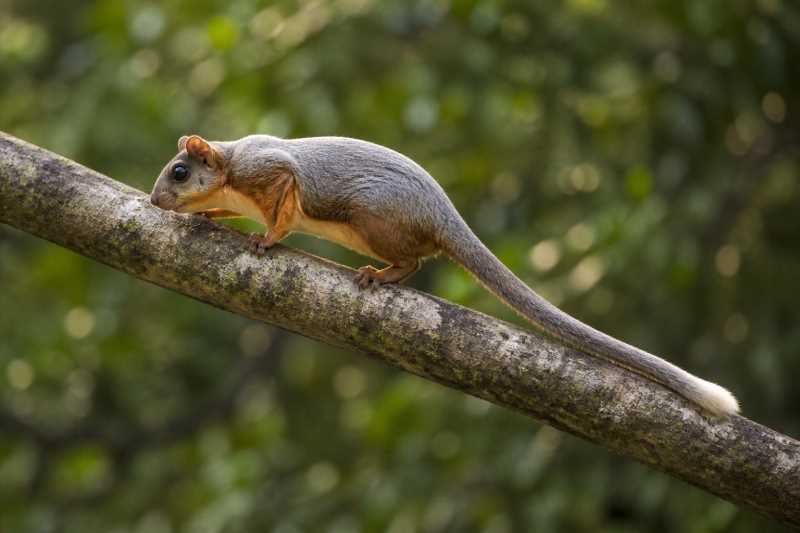
The Hainan Giant Flying Squirrel is one of the larger species of flying squirrels, with an average body length ranging from 42 to 58 centimeters (16.5 to 22.8 inches) and a tail that measures approximately 50 to 60 centimeters (19.7 to 23.6 inches) in length. Its body is robust and covered with dense, soft fur that provides insulation and aids in its gliding capabilities. The fur is typically a rich, reddish-brown color on the back, with a paler belly that can range from creamy white to grayish.
One of the most striking features of the Hainan Giant Flying Squirrel is its gliding membrane, known as the patagium. This membrane stretches from the wrists to the ankles, allowing the squirrel to glide between trees with ease. The head is relatively small, with large, round eyes that are adapted for nocturnal vision. Its ears are rounded and small, helping to reduce wind resistance during gliding.
Range and Habitat
The Hainan Giant Flying Squirrel is endemic to Hainan Island, located off the southern coast of China. This island’s diverse ecosystems, ranging from dense rainforests to mountainous regions, provide an ideal habitat for this species. The squirrel is primarily found in subtropical and tropical moist lowland forests, where it can exploit the vertical space of the forest canopy.
This species prefers mature forests with tall trees that offer ample opportunities for gliding and nesting. It is known to inhabit areas at elevations ranging from sea level to approximately 1,500 meters (4,920 feet). The presence of old-growth trees with large branches and cavities is critical for the squirrel’s nesting and feeding habits.
Behavior and Diet
The Hainan Giant Flying Squirrel is a nocturnal species, primarily active during the night when it forages for food and interacts with its environment. During the day, it rests in tree hollows or nests made of leaves and twigs. These nests are strategically located high in the tree canopy to avoid predators and to maximize gliding efficiency.
The diet of the Hainan Giant Flying Squirrel is predominantly herbivorous, consisting of leaves, fruits, seeds, and bark. It has a particular preference for young leaves and tender shoots, which provide essential nutrients and moisture. Occasionally, the squirrel may also consume insects and small invertebrates, supplementing its diet with additional protein.
Gliding is a crucial aspect of the squirrel’s behavior, allowing it to travel efficiently between feeding sites and escape potential predators. By launching itself from a high perch and extending its patagium, the squirrel can glide distances of up to 60 meters (197 feet) or more.
Identification Tips (Field Recognition Cues)
Identifying the Hainan Giant Flying Squirrel in the field requires attention to several key characteristics:
- Size and Shape: Look for a large squirrel with a substantial body size and a long, bushy tail.
- Coloration: Note the reddish-brown fur on the back and the contrasting paler belly.
- Gliding Membrane: Observe the presence of the patagium, which is visible when the squirrel is gliding or at rest with its limbs extended.
- Nocturnal Activity: Spotting this species is more likely at night, as it is primarily active after sunset.
- Vocalizations: Listen for its distinctive calls, which are often used for communication between individuals.
Conservation Status (with Threats and Protections)
The conservation status of the Hainan Giant Flying Squirrel is currently listed as Near Threatened according to the International Union for Conservation of Nature (IUCN). This designation reflects the ongoing threats to its habitat and population.
Threats
- Habitat Loss: Deforestation and land conversion for agriculture, urban development, and infrastructure projects are significant threats to the squirrel’s habitat.
- Logging: Illegal and unsustainable logging practices degrade the quality of forests and remove critical nesting and feeding sites.
- Hunting: Although not as heavily targeted as some other species, the Hainan Giant Flying Squirrel is occasionally hunted for food and traditional medicine.
Protections
- Protected Areas: Several protected areas and nature reserves on Hainan Island, such as Bawangling National Nature Reserve, provide sanctuary for the species.
- Reforestation Efforts: Initiatives to restore degraded forest areas and promote sustainable land use practices benefit the squirrel’s habitat.
- Legislation: Local and national laws aim to protect wildlife and regulate hunting and logging activities.
Frequently Asked Questions
What is the average lifespan of a Hainan Giant Flying Squirrel?
The average lifespan of a Hainan Giant Flying Squirrel in the wild is estimated to be around 8 to 10 years. However, this can vary depending on environmental conditions and predation pressures.
How far can a Hainan Giant Flying Squirrel glide?
The Hainan Giant Flying Squirrel is capable of gliding distances of up to 60 meters (197 feet) or more. Its ability to glide is facilitated by the patagium, which provides lift and maneuverability during flight.
Are Hainan Giant Flying Squirrels endangered?
While not currently classified as endangered, the Hainan Giant Flying Squirrel is listed as Near Threatened by the IUCN. Habitat loss and other threats continue to impact its population.
What do Hainan Giant Flying Squirrels eat?
The diet of the Hainan Giant Flying Squirrel consists mainly of leaves, fruits, seeds, and bark. It occasionally supplements its diet with insects and small invertebrates.
How can I help protect the Hainan Giant Flying Squirrel?
Supporting conservation organizations, advocating for sustainable land-use practices, and raising awareness about the species and its habitat are effective ways to contribute to the protection of the Hainan Giant Flying Squirrel.
Related posts