Introduction
The Slender Treeshrew (Tupaia gracilis) is an intriguing mammal that belongs to the order Scandentia, and is one of the lesser-known species of treeshrews. Found predominantly in Southeast Asia, this small mammal has captivated researchers and wildlife enthusiasts with its distinct characteristics and behaviors. Despite its name, the Slender Treeshrew is not a true shrew nor is it highly arboreal as its name might imply. Instead, it shares closer genetic ties with primates, making it a subject of significant interest in evolutionary studies. This article delves into the various aspects of the Slender Treeshrew, from its physical characteristics to its habitat, behaviors, and conservation status.
Physical Description
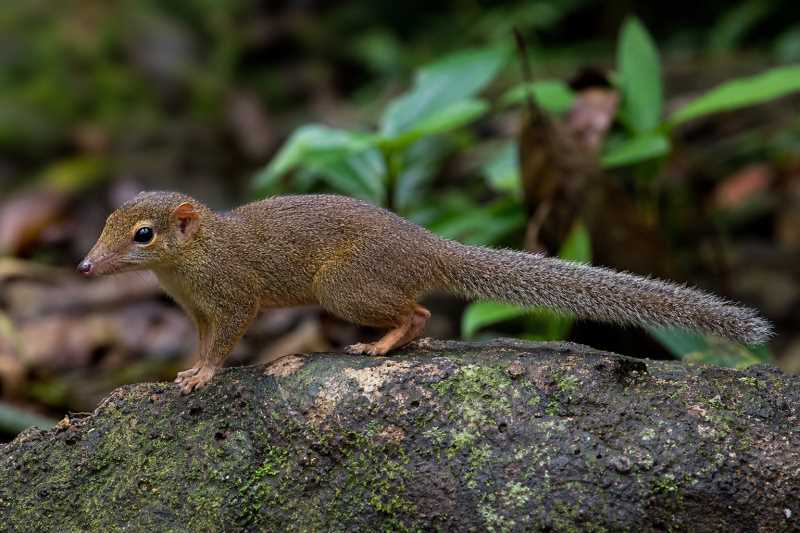
The Slender Treeshrew is aptly named for its slender and elongated body. Typically, these animals measure between 16 and 20 centimeters in body length, with a tail that can add another 14 to 19 centimeters. The average weight of a Slender Treeshrew is approximately 120 to 200 grams, making it a lightweight creature. Its fur is short and dense, providing it with some protection against the elements.
The coloration of the Slender Treeshrew ranges from olive-brown to grayish on the upper parts, while the underparts are lighter, often a whitish or pale yellow hue. This coloration provides excellent camouflage against the forest floor and dense vegetation, aiding in its survival against predators.
One of the most distinctive features of the Slender Treeshrew is its elongated snout, which is highly functional in foraging for insects and other small prey. Additionally, they possess sharp claws and strong hind limbs, which are adapted for digging and climbing, although they spend a significant amount of time on the ground.
Range and Habitat
The Slender Treeshrew is primarily found in the rainforests of Southeast Asia. Its range includes several countries such as Malaysia, Indonesia, and Brunei. These treeshrews inhabit lowland and hill forests, thriving in both primary and secondary forests.
The dense undergrowth of these forests provides the Slender Treeshrew with ample cover and foraging opportunities. They have also been known to inhabit montane forests, displaying a degree of adaptability to different forest environments. However, they are predominantly ground-dwelling, preferring the forest floor and lower strata of the forest to the canopy.
Behavior and Diet
Slender Treeshrews are primarily diurnal, meaning they are active during the day. They are known for their quick and agile movements, which they use to navigate the forest floor in search of food. These creatures are solitary, with individuals maintaining their own territories. They communicate with each other through vocalizations and scent markings.
The diet of the Slender Treeshrew is omnivorous. They feed on a variety of insects, fruits, and small vertebrates. Their elongated snout and sharp teeth are well-suited for capturing and consuming insects, while their strong hind limbs facilitate reaching fruits and other plant material. This varied diet allows them to adapt to the availability of resources in their environment.
Identification Tips (Field Recognition Cues)
Identifying a Slender Treeshrew in the wild can be challenging due to its elusive nature and camouflaged appearance. Here are some tips to help with field identification:
- Body Size and Shape: Look for a small mammal with a slender, elongated body and a proportionately long tail, which is often held upright.
- Coloration: Note the olive-brown to grayish upper parts and lighter underparts. This coloration helps them blend into their surroundings.
- Movement: Observe their quick, agile movements on the forest floor. They are often seen darting through the undergrowth.
- Vocalizations: Listen for their high-pitched calls, which they use to communicate, especially during territorial disputes.
Conservation Status (with Threats and Protections)
The conservation status of the Slender Treeshrew is currently listed as Least Concern by the IUCN Red List. However, like many forest-dwelling species, they face threats from habitat destruction due to logging, agriculture, and urban development. Deforestation in Southeast Asia has significantly reduced available habitats, leading to potential declines in population.
Conservation efforts are crucial to preserving the Slender Treeshrew’s habitat. Protected areas and national parks in Malaysia and Indonesia provide some refuge for these animals. Additionally, sustainable forestry practices and reforestation projects can help mitigate the impact of habitat loss.
Frequently Asked Questions
1. What is the primary habitat of the Slender Treeshrew?
The Slender Treeshrew primarily inhabits lowland and hill rainforests in Southeast Asia. They are commonly found on the forest floor and lower strata, where they forage for insects and fruits.
2. Are Slender Treeshrews social animals?
No, Slender Treeshrews are solitary creatures. They maintain individual territories and use vocalizations and scent markings to communicate with others, especially during mating season or territorial disputes.
3. What are the main threats to the Slender Treeshrew?
The main threats to the Slender Treeshrew include habitat destruction due to logging, agricultural expansion, and urban development. Deforestation in their native range poses a significant risk to their populations.
4. How can you differentiate a Slender Treeshrew from other treeshrews?
The Slender Treeshrew can be differentiated by its smaller size, slender body, and elongated snout. Its coloration and quick, agile movements are also distinguishing characteristics.
5. What conservation measures are in place for the Slender Treeshrew?
Conservation measures include the establishment of protected areas and national parks in their range. Efforts are also being made to promote sustainable forestry practices and reforestation to preserve their natural habitat.
Related posts