Introduction
The Western Brown Bandicoot, scientifically known as Isoodon fusciventer, is a fascinating marsupial native to Australia. This small, nocturnal mammal is part of the Peramelidae family, which comprises several bandicoot species. Known for its unique ecological role and adaptability, the Western Brown Bandicoot has garnered interest among wildlife enthusiasts and conservationists alike. In this article, we will explore the physical characteristics, habitat, behavior, and conservation status of the Western Brown Bandicoot, as well as provide tips for identifying this elusive creature in the wild.
Physical Description
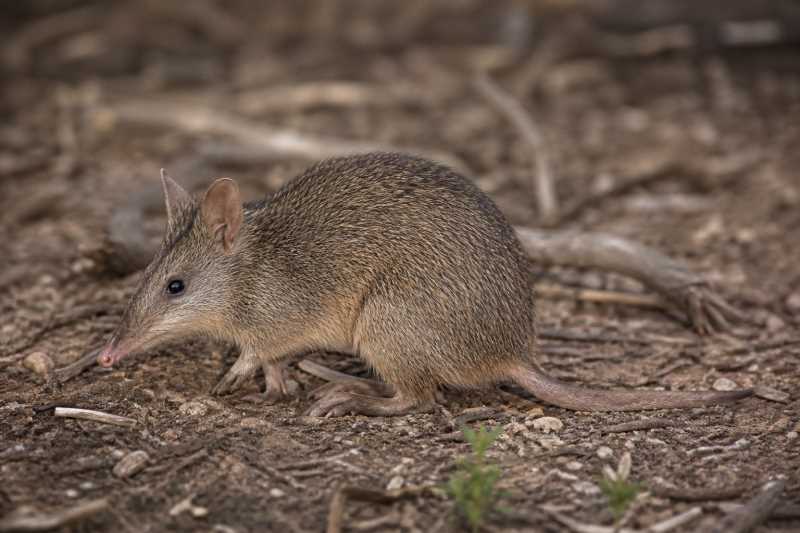
The Western Brown Bandicoot is a small to medium-sized marsupial with a robust and compact body. Adults typically weigh between 400 to 1,500 grams. They have a distinctive brownish-gray fur with a slightly paler underbelly. The fur is coarse and provides excellent camouflage against the dry, sandy landscapes of its native habitat. The bandicoot’s muzzle is short and pointed, suited for its insectivorous diet, while its ears are relatively small and rounded.
The bandicoot’s hind limbs are noticeably longer and more powerful than its forelimbs, an adaptation that aids in their ability to hop and dig efficiently. They have strong, curved claws that are perfect for burrowing and foraging. The tail is short and tapering, covered in sparse fur, and aids in balance and communication.
Range and Habitat
The Western Brown Bandicoot is endemic to southwestern Australia, particularly the coastal and near-coastal regions. Its range includes areas from Shark Bay in the north to the south coast of Western Australia, encompassing a variety of habitats. This species is well-adapted to diverse environments, including open woodlands, heathlands, and shrublands.
These bandicoots prefer sandy soils where they can easily dig for food and create burrows. They are also found in areas with dense underbrush, which provides shelter and protection from predators. Despite their adaptability, habitat destruction and fragmentation pose significant threats to their populations.
Behavior and Diet
Western Brown Bandicoots are primarily nocturnal and solitary creatures. They emerge from their burrows at night to forage for food. Their diet is omnivorous, consisting mainly of insects, larvae, seeds, and plant material. They have a keen sense of smell and excellent hearing, which they use to locate prey underground.
These bandicoots are known for their digging behavior, often leaving behind small conical pits in search of food. This digging plays a crucial ecological role by aiding in soil aeration and seed dispersal. They are also opportunistic feeders, adjusting their diet based on seasonal availability of food sources.
Identification Tips (field recognition cues)
Identifying the Western Brown Bandicoot in the wild can be challenging due to its elusive nature. However, here are some tips to help spot one:
- Size and Shape: Look for a small, robust marsupial with a short, pointed snout and compact body.
- Fur Color: Their brownish-gray fur with a paler underside provides camouflage, but the coarse texture can be a giveaway.
- Tracks and Diggings: Look for small, conical holes in sandy soil and distinctive tracks with hind foot impressions larger than the front.
- Behavior: Active mainly at night, search for them at dusk or dawn when they are most likely to be foraging.
Conservation Status (with threats and protections)
The conservation status of the Western Brown Bandicoot is of concern due to several threats impacting its survival. Habitat loss and fragmentation due to agricultural expansion, urban development, and mining activities are significant challenges. Additionally, predation by introduced species such as foxes and feral cats has contributed to population declines.
Conservation efforts are underway to mitigate these threats. Protected areas and reserves have been established to safeguard critical habitats. Predator control programs and habitat restoration projects are also in place to support population recovery. Continued research and monitoring are essential to ensure the long-term survival of this species.
Frequently Asked Questions
What is the habitat of the Western Brown Bandicoot?
The Western Brown Bandicoot inhabits southwestern Australia, favoring sandy soils in open woodlands, heathlands, and shrublands. They require dense underbrush for shelter and protection.
How does the Western Brown Bandicoot contribute to its ecosystem?
This bandicoot’s digging behavior helps aerate the soil and disperse seeds, supporting plant growth and contributing to the health of its ecosystem.
What are the main threats to the Western Brown Bandicoot?
The main threats include habitat destruction and fragmentation, as well as predation by introduced species like foxes and feral cats.
How can I help in the conservation of the Western Brown Bandicoot?
Supporting conservation programs, advocating for habitat protection, and contributing to predator control initiatives can aid in the conservation efforts for this species.
Are Western Brown Bandicoots endangered?
While not currently listed as endangered, the Western Brown Bandicoot faces several threats that could impact its future survival, warranting continued conservation efforts.
Related posts